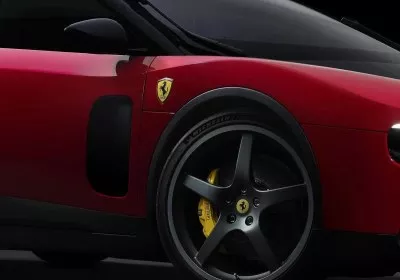
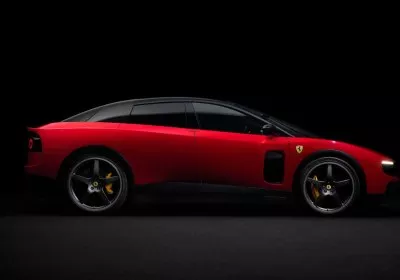
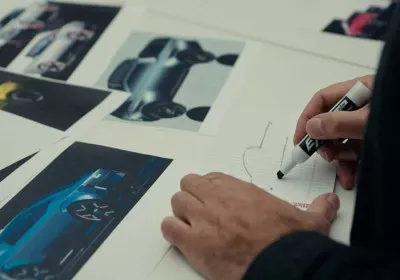
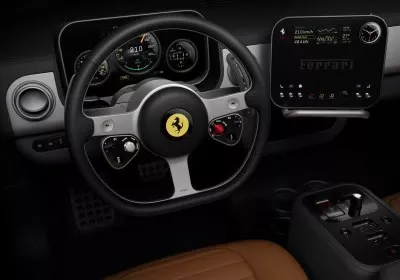
Ferrari wanted its EV to be provocative. Mission accomplished.
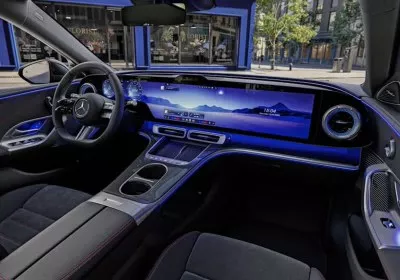
A hot potato: Ferrari's long-awaited move into fully electric vehicles landed with an immediate financial jolt. Shares in the company dropped about 8% after the debut of the Luce, wiping out more than $5 billion in market value and signaling investor unease with both the design and the broader strategy. The reaction didn't stop with investors. Within hours of the unveiling, criticism spread across social media, owner forums, and even into Italian politics.
Camera-based visibility takes over as Polestar redesigns airflow
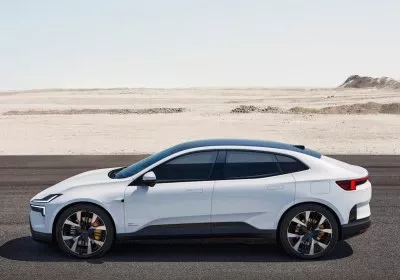
First look: The 2026 Polestar 4 removes a feature that has defined automotive design for more than a century: the rear window. In its place, the vehicle uses cameras and sensors to provide rearward visibility, a move that is dividing opinion.
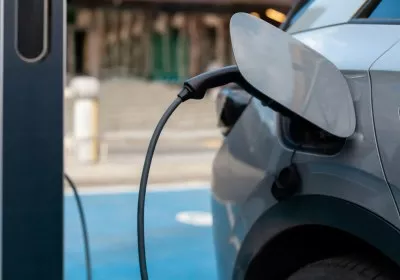
A rethink of cells, chargers, and infrastructure pushed EV refueling into gas-station territory
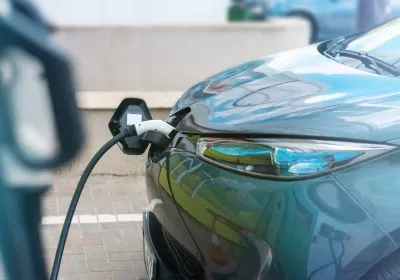
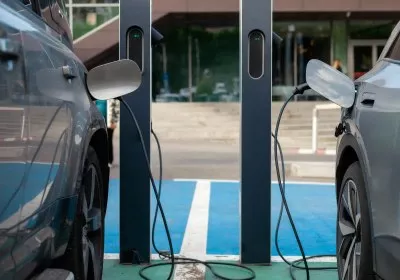
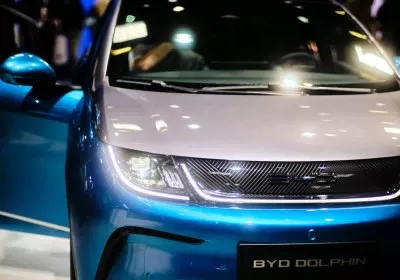
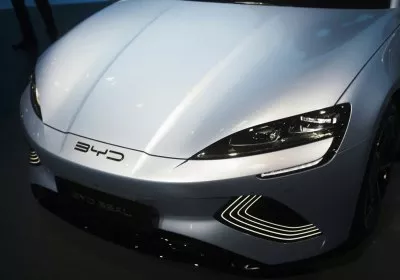
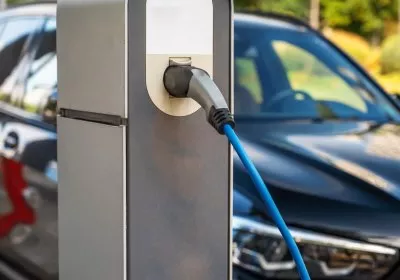
Connecting the dots: Chinese automaker BYD has pulled ahead of global rivals in a race many in the industry consider pivotal to mainstream electric vehicle adoption: charging speed. Through tight vertical integration, new battery chemistries, and aggressive infrastructure expansion, the company has shown that refueling an EV can now take minutes rather than half an hour.
The takeaway: A small car parked in a rainy British driveway might seem an unlikely place for a battery revolution. Yet that's where engineer and YouTuber Chris Doel has built the world's first vape-powered vehicle – a working proof of concept that challenges both the limits of lithium-ion recycling and society's growing mountain of electronic waste.