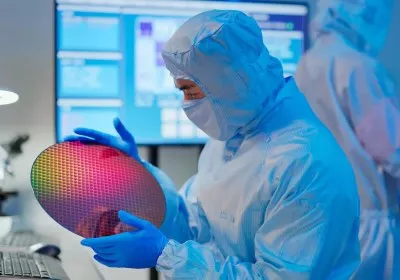
TSMC is sitting on $1 billion worth of finished iPhone chips with nowhere to go
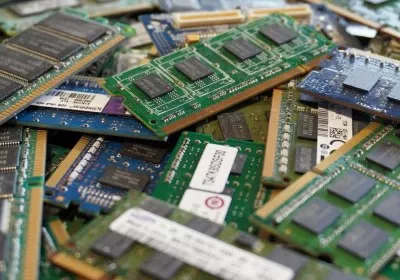
Ripple effect: In the run-up to the launch of the foldable iPhone Ultra, iPhone 18, and iPhone 18 Pro, Apple and its assemblers are working to secure enough mobile DRAM. Apple leans heavily on Micron for these chips and also buys from SK Hynix and Samsung. People involved say they still expect to meet initial demand, but they worry online wait times could stretch and store inventory could run out quickly if the shortage continues.
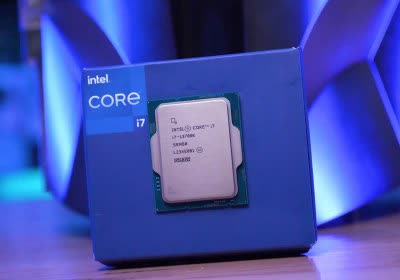
Intel is stuck on yesterday's tech while it waits for tomorrow's
TL;DR: Intel's next-generation 18A process, its most advanced manufacturing technology, is ramping up more slowly than expected. Until it reaches high-volume production, the company's heavily utilized Intel 7 lines will continue to constrain output for both client and data center chips. In the meantime, Intel is prioritizing higher-margin server processors to offset supply limitations and preserve profitability.
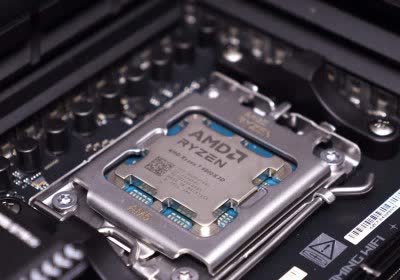
Big quote: What do you do when your latest CPU is proving so popular that consumers are struggling to get their hands on it? If you're AMD, it's to partly blame rival Intel for releasing such a "horrible product" as a competitor – i.e., the Arrow Lake desktop processors.