
Big quote: Micron Technology is telling investors that memory supply is under pressure and is likely to remain so, largely due to the rapid build-out of AI data centers. In its fiscal third-quarter 2026 earnings report, the company said memory demand is outpacing supply. Micron, a major producer of DRAM and NAND, linked this imbalance directly to artificial intelligence.
"We expect tight conditions to persist beyond calendar 2027 as a result of AI-driven demand across all segments coupled with structural supply constraints," CEO Sanjay Mehrotra said in the report.
His comments point to a shift in how memory is being used. Modern AI systems – especially those used to train large models and run inference across many users – require far more bandwidth and capacity than typical applications. That demand is concentrated in large cloud data centers but is also beginning to appear in enterprise systems.
Increasing supply is also difficult. Building and upgrading memory fabs takes years and significant capital, and newer process nodes add further complexity. Even with heavy investment, production is still lagging behind demand.
Those pressures have already shown up in pricing. System RAM, graphics memory, and SSDs have all become more expensive, largely because AI data centers are competing for the same supply.
Micron has also shifted its business strategy. In late 2025, it announced it would exit the consumer market and wind down its Crucial-branded SSDs and RAM kits. That move allows the company to focus more on AI and data-center customers, which purchase in larger volumes and pay for higher-end components.
That pressure is now visible further down the supply chain. Hardware makers that rely on memory are paying more for components, and those costs are filtering through to retail prices. Gaming PCs and pre-built systems, which require large amounts of RAM and storage, are among the most affected.
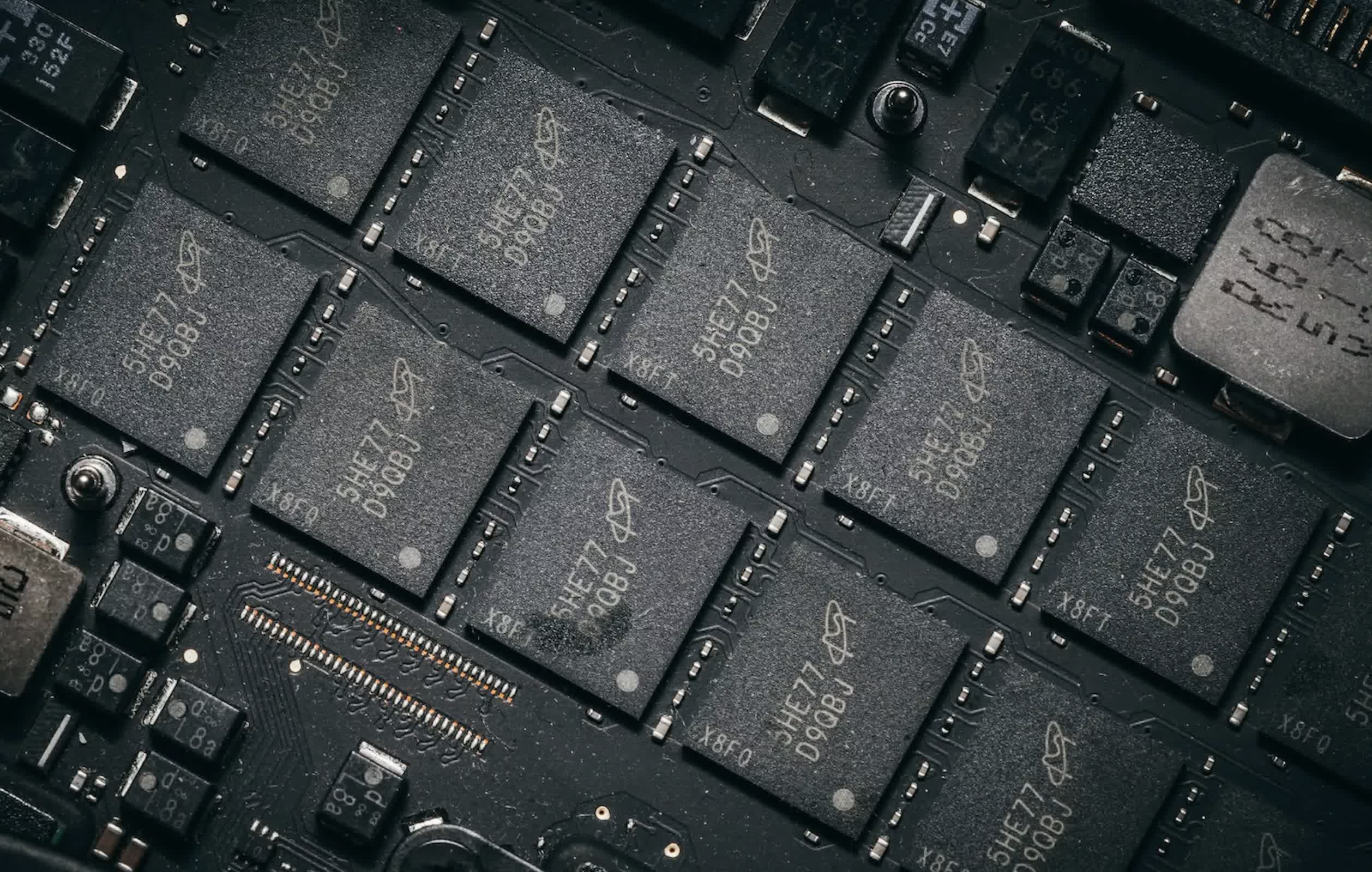
In some instances, sticker prices have ended up far above early expectations. Systems that were expected to land at more affordable price points have shipped at significantly higher costs, largely due to rising component prices. Memory has become one of the biggest swing factors.
Looking ahead, Micron does not see a quick fix. The company expects supply conditions to improve around 2028 but still has no clear visibility on when supply will fully catch up with demand.
"Even as we expect industry supply to improve gradually in 2028, we currently do not have line of sight as to when memory supply will be able to catch up with increasing demand," Mehrotra said.
That lack of clarity makes planning more difficult for hardware makers. Companies building next-generation systems – including future game consoles – must budget for memory prices that can fluctuate significantly. As AI features spread into more consumer devices, performance requirements rise, and so does the cost of the memory needed to meet them.
For now, the story remains unchanged: AI is driving a surge in memory demand across the industry. Until supply expands enough to match it, memory will remain a key bottleneck.