Here's the story behind it
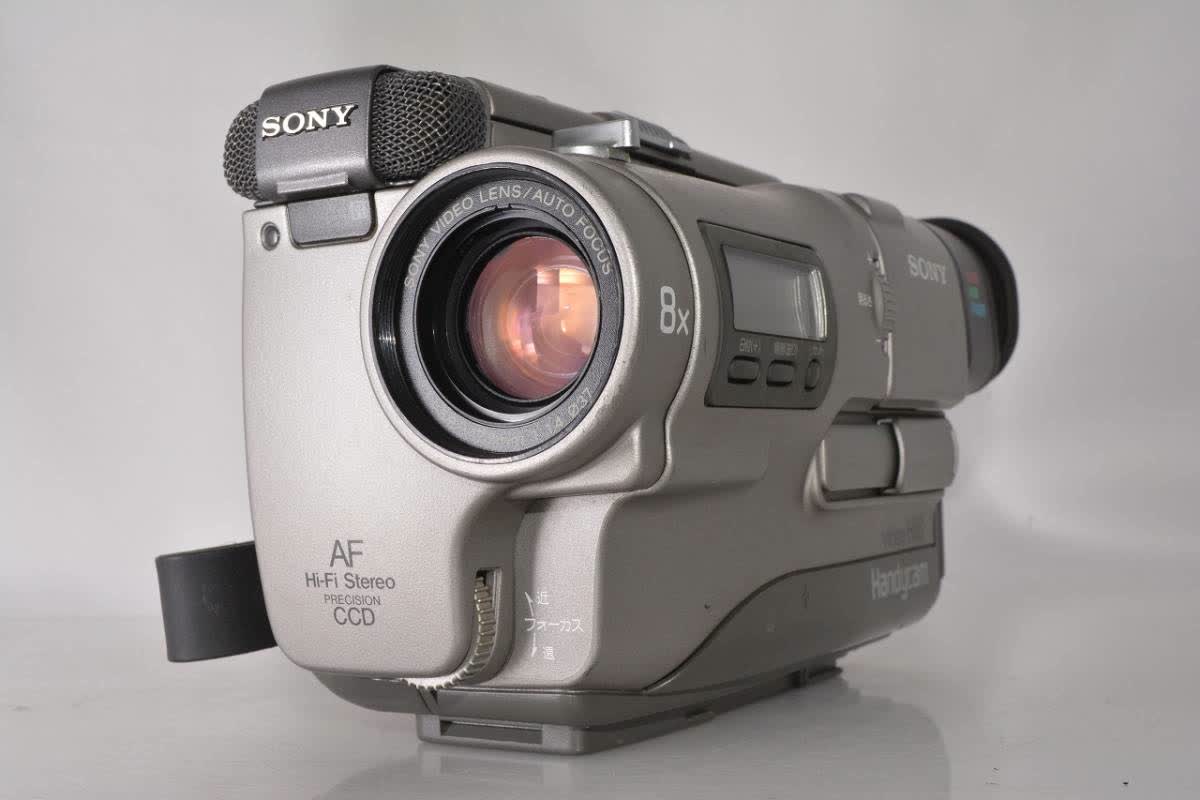
The first consumer device powered by a lithium-ion battery was Sony's CCD-TR1, an 8mm Handycam camcorder released in the early 1990s. The company behind the milestone was Sony or more specifically the battery work done inside Sony Energytec and the broader Sony engineering group.
The tricky part of this trivia is that most devices associated with lithium-ion today are phones and laptops. A modern smartphone is almost unimaginable without a Li-ion pack, and notebooks were among the first categories where lighter, denser rechargeable batteries became a major selling point. But the commercial debut did not happen in a phone or a laptop. It happened in a camcorder.
That made a lot of sense at the time. Camcorders were one of the defining consumer electronics categories of the late 1980s and early 1990s, but they were constrained by the same problem that limited many portable gadgets: batteries were heavy, bulky, and not particularly long-lasting. Nickel-cadmium packs were common, but they suffered from lower energy density and memory-effect concerns. For a device meant to be carried around while recording video, every improvement in weight and runtime mattered.
Sony's lithium-ion battery gave the CCD-TR1 a technical advantage that was bigger than it may sound today. Compared with similar nickel-cadmium batteries, Sony said its new cell offered much higher energy density and operating voltage, along with a long cycle life. In practical terms, that helped make portable video gear smaller, lighter, and more convenient, while proving that lithium-ion chemistry was ready for real consumer products.
The breakthrough also had a long prehistory. M. Stanley Whittingham, John B. Goodenough, and Akira Yoshino all made foundational contributions to the chemistry that eventually became practical lithium-ion storage. Yoshino's 1985 work was especially important because it helped remove pure metallic lithium from the design, making the battery safer and more commercially viable. Sony then did the difficult work of turning the chemistry into a manufacturable product and giving it a real market.
Motorola's DynaTAC 8000X was the first famous handheld mobile phone, but it used a nickel-cadmium battery, not Li-ion. Apple's PowerBook 100 arrived in 1991 and helped define the modern notebook layout, but it used a lead-acid battery. IBM's ThinkPad 700C, launched a year later, became an icon of portable computing, but it was not the first Li-ion consumer device either.
The CCD-TR1 rarely gets the same nostalgic attention as early mobile phones, Walkmans, or laptops, but it deserves a footnote in consumer tech history. Before Li-ion batteries powered phones, tablets, laptops, drones, power tools, and electric vehicles, they first proved themselves inside a Sony camcorder. That small shift helped start the battery era that made modern mobile computing possible.