ValiDrive is a free utility that checks whether USB drives, memory cards, SSDs, and other storage actually provide their advertised capacity. Designed to spot counterfeit or faulty drives with inflated storage claims, it can also identify potential read/write problems and give a quick look at transfer performance.
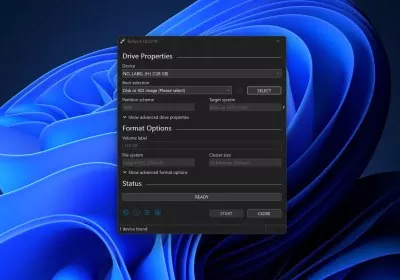
Rufus 4.10 debuts a dark mode, also adds the ability to save USB drives as ISO files. The update also adds support for new Windows CA 2023 Secure Boot certificates, ensuring future-proof boot media ahead of upcoming Secure Boot changes, especially for Windows 11 25H2 installations.
Think that bargain USB drive is 1TB? Think again. ValiDrive uncovers the real storage capacity of USB drives that promise terabytes but deliver far less. It also reports read and write speeds for a quick performance check.
Rufus 4.8 now uses wimlib for all WIM image operations, significantly accelerating tasks such as image analysis when opening Windows ISOs and creating Windows To Go drives. The update also addresses FAT32 file size limitations by automatically splitting files larger than 4 GB.
With Ventoy, you don't need to format your USB drive – simply copy the image files and boot directly. You can add multiple ISOs at once, and Ventoy provides a boot menu for easy selection. The latest update enhances support for all Linux distributions as well.