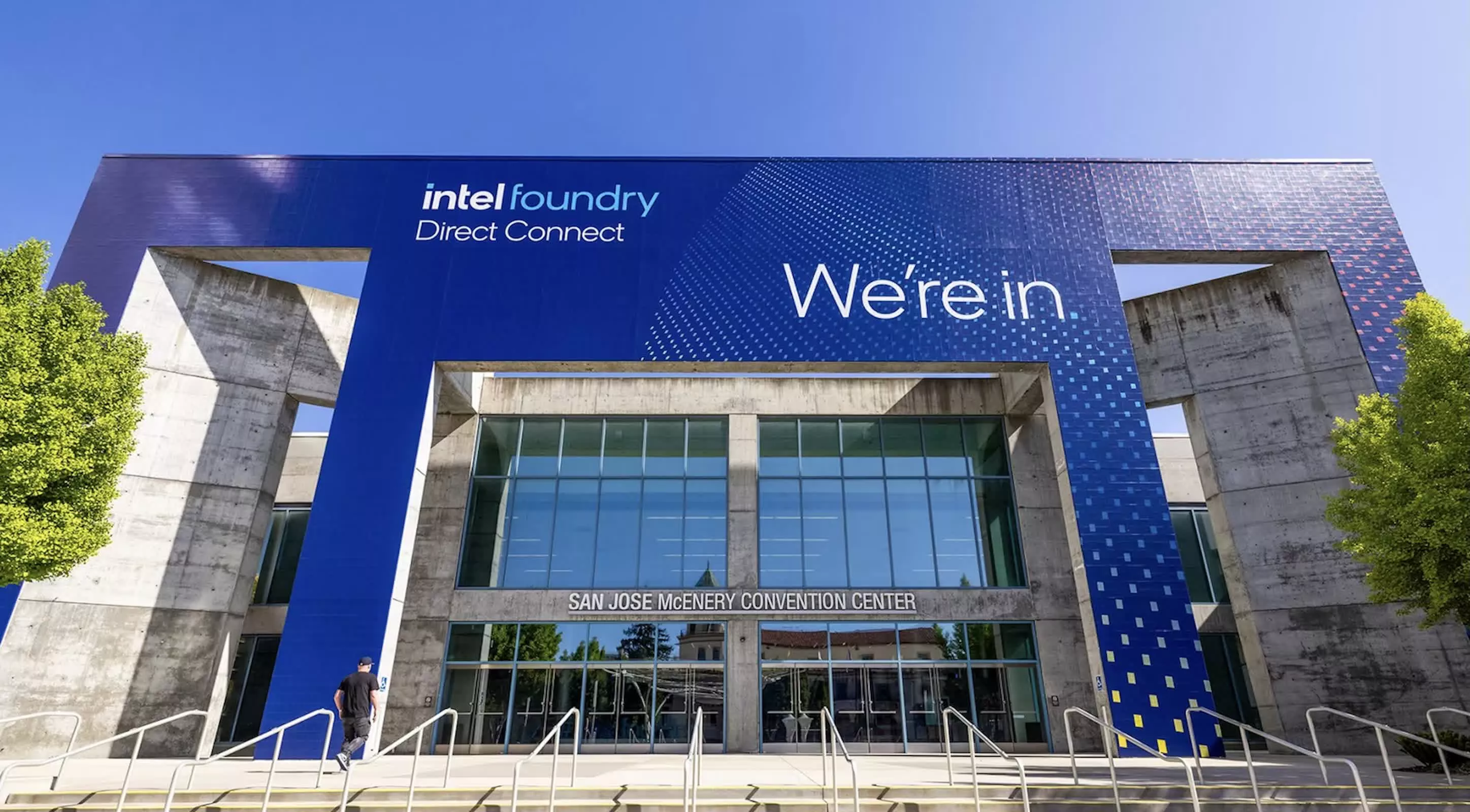
Rumor mill: Intel's 14A chipmaking process is being evaluated by Amazon, Apple, AMD, Google, Tesla, Microsoft, Nvidia and Qualcomm, according to a Piper Sandler research note. If those discussions lead to production contracts, Intel could finally have the outside customers needed to support its foundry business. The reported interest gives Intel its strongest chance yet to establish itself as a viable supplier of leading-edge chips, though no customer has announced a commitment.
Intel has spent years trying to turn its manufacturing arm into a serious alternative to TSMC. Its 14A process is now the key test. Piper Sandler said Intel needs to sign an anchor customer in late 2026 or early 2027 before a planned 2028 production ramp.
"Foundry 14A datapoints bode well, awaiting anchor customer," Piper Sandler wrote. The firm said major US chip companies are assessing the process because Intel's technical results appear to be improving, TSMC's capacity is tight and customers want more manufacturing and packaging options outside Taiwan.
TSMC remains the dominant contract manufacturer for advanced chips. Piper Sandler said its capacity is sold out through 2028, creating an opening for another supplier. That does not mean Intel has won any business – evaluating a process is far different from committing a major product line to it. Still, the reported customer list suggests Intel is at least in conversations with the companies it needs to reach.
– John Intel (@intelfabs) September 18, 2026
There's a push to expand chip production in the United States right now. Large technology companies are looking more closely at supply-chain risk, while Washington has pressed the industry to add domestic manufacturing capacity. Intel already has US fabs and is building out more capacity, but its ability to justify further spending will depend on customer commitments.
Piper Sandler linked Intel's recent $20 billion share offering to that effort. The firm said the money could help fund equipment for a 14A fab with a capacity of 20,000 wafer starts per month. It estimated that tooling such a facility would cost about $10 billion.
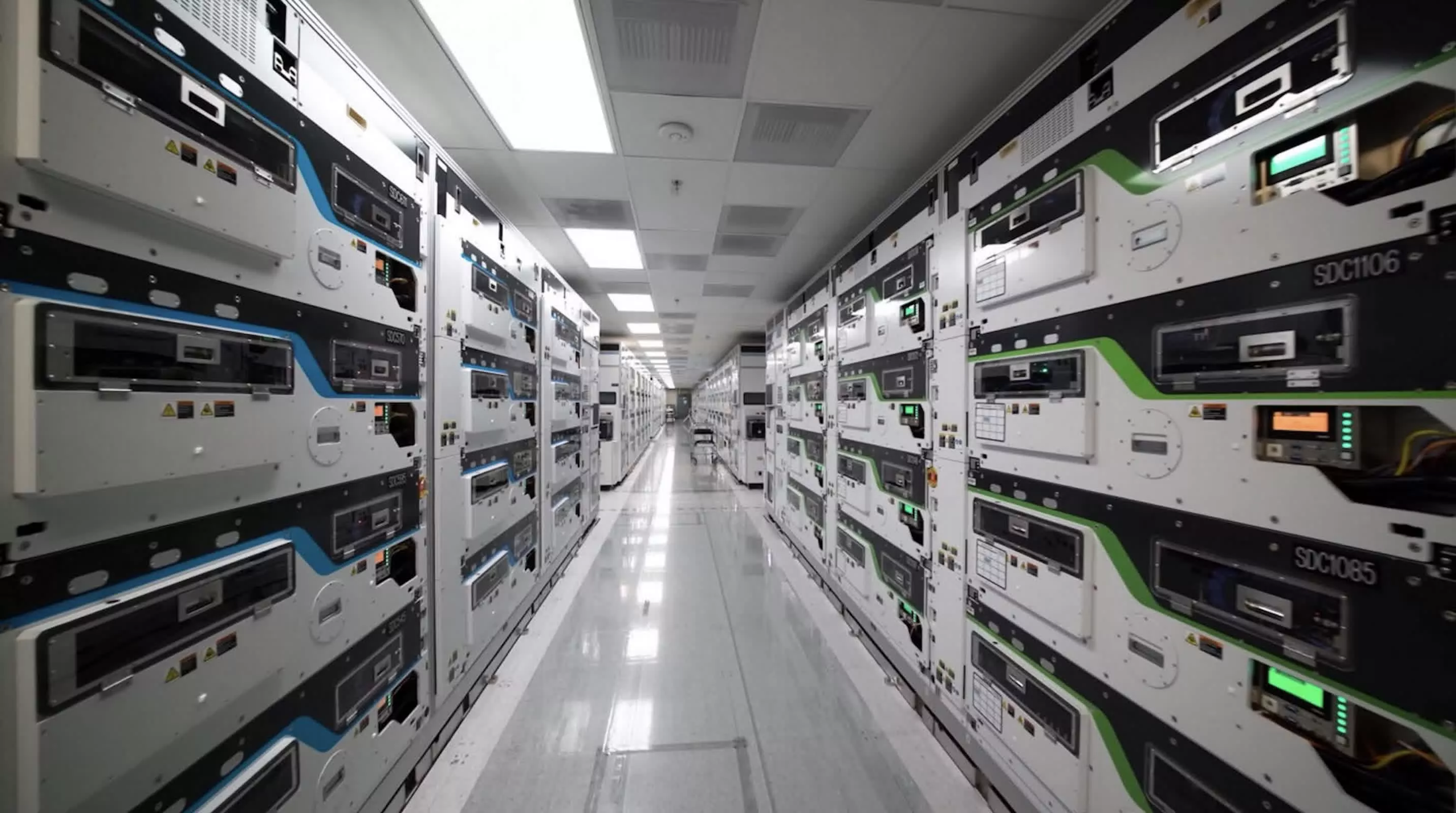
Intel's Fab 62 shell is nearly complete, according to the note, but it still needs equipment. A fab building does not produce chips until it has the specialized tools needed for lithography, deposition, etching, inspection and other steps in the manufacturing process.
Chief Executive Lip-Bu Tan has said Intel will not expand leading-edge manufacturing without clear evidence of customer demand. In July, he said the company could halt 14A and later process technologies if it failed to land a significant external customer or meet key customer milestones.
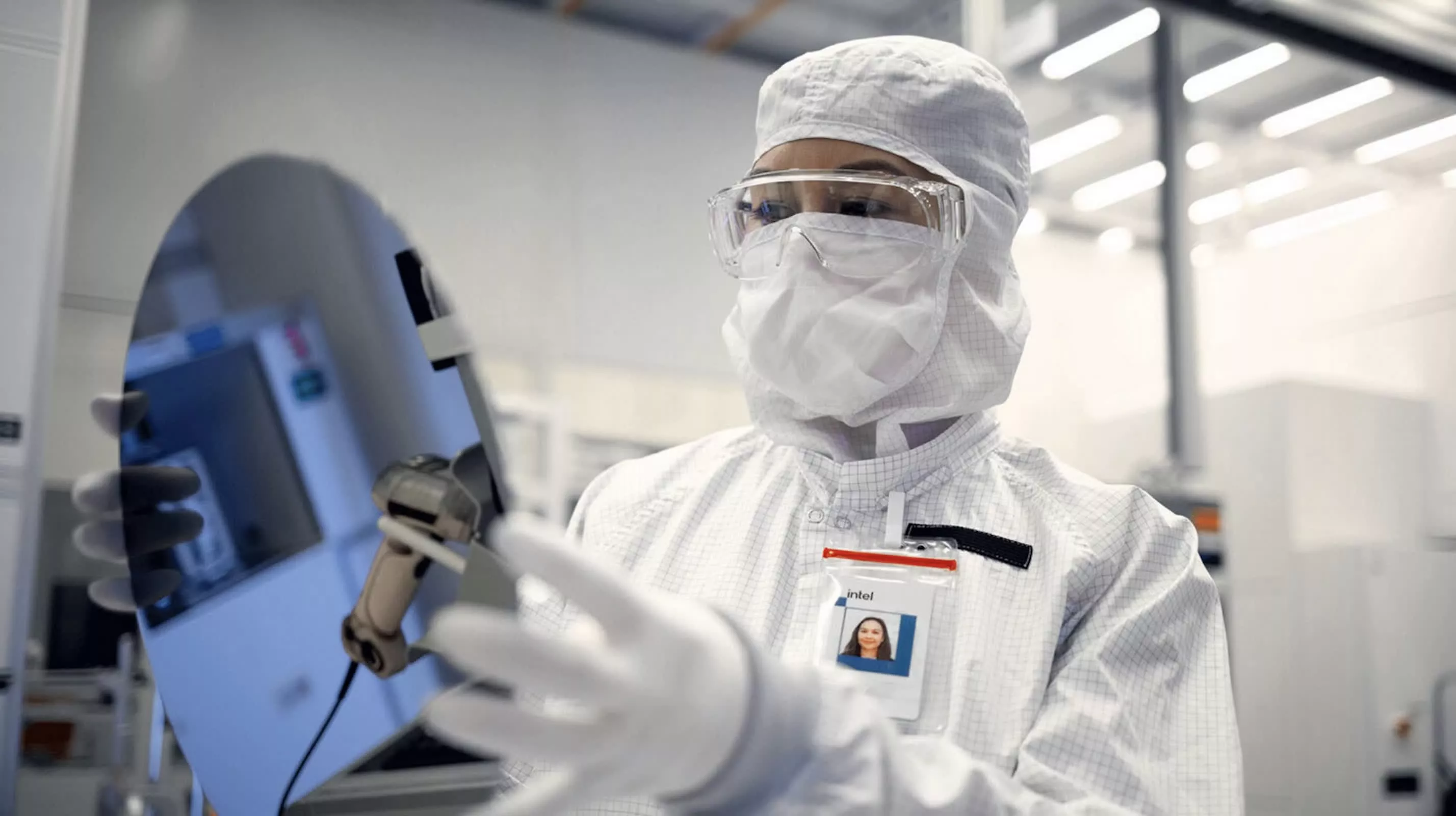
"If we are unable to secure a significant external customer and meet important customer milestones for Intel 14A, we face the prospect that it will not be economical to develop and manufacture Intel 14A and successor leading-edge nodes on a go-forward basis," Tan said.
Intel has said 14A remains on track for early risk production in 2028. Risk production is the stage when a manufacturer begins producing early chips to validate the process before volume manufacturing. Tan has said Intel believes its timetable could put 14A in contention with TSMC's advanced-node offerings.
Intel's 14A name refers to its angstrom-era process branding and follows the company's 18A node. The labels should not be read as literal measurements of chip features. Process-node names have become marketing designations, and they do not translate cleanly between Intel, TSMC and other manufacturers.
That makes it difficult to say exactly where 14A will stand against TSMC when it arrives. Intel's existing 18A process is generally considered closer to TSMC's older 3-nanometer-class technology than its name might suggest. By 2028, Intel could be competing against TSMC's N2 process or its newer A16 technology.
For now, the crucial issue is not how Intel labels 14A; it is whether the company can turn customer evaluations into contracts. Intel has been trying to build a contract-manufacturing business since 2021. A named 14A customer would be the clearest sign yet that the strategy is gaining traction.