Winners & losers: In the latest episode of what's getting more expensive this time, Intel is reportedly set to increase the price of its CPUs by another 10%. The hike could be introduced on October 5, and Team Blue is also rumored to be laying off between 5% and 10% of its global workforce.
According to DigiTimes, supply-chain sources say Intel is prioritizing profit margins as CEO Lip-Bu Tan reviews CPU pricing, manufacturing costs, and its product lineup.
Some less profitable lower-core products could also be discontinued, potentially affecting industrial PCs, IoT devices, and embedded systems.
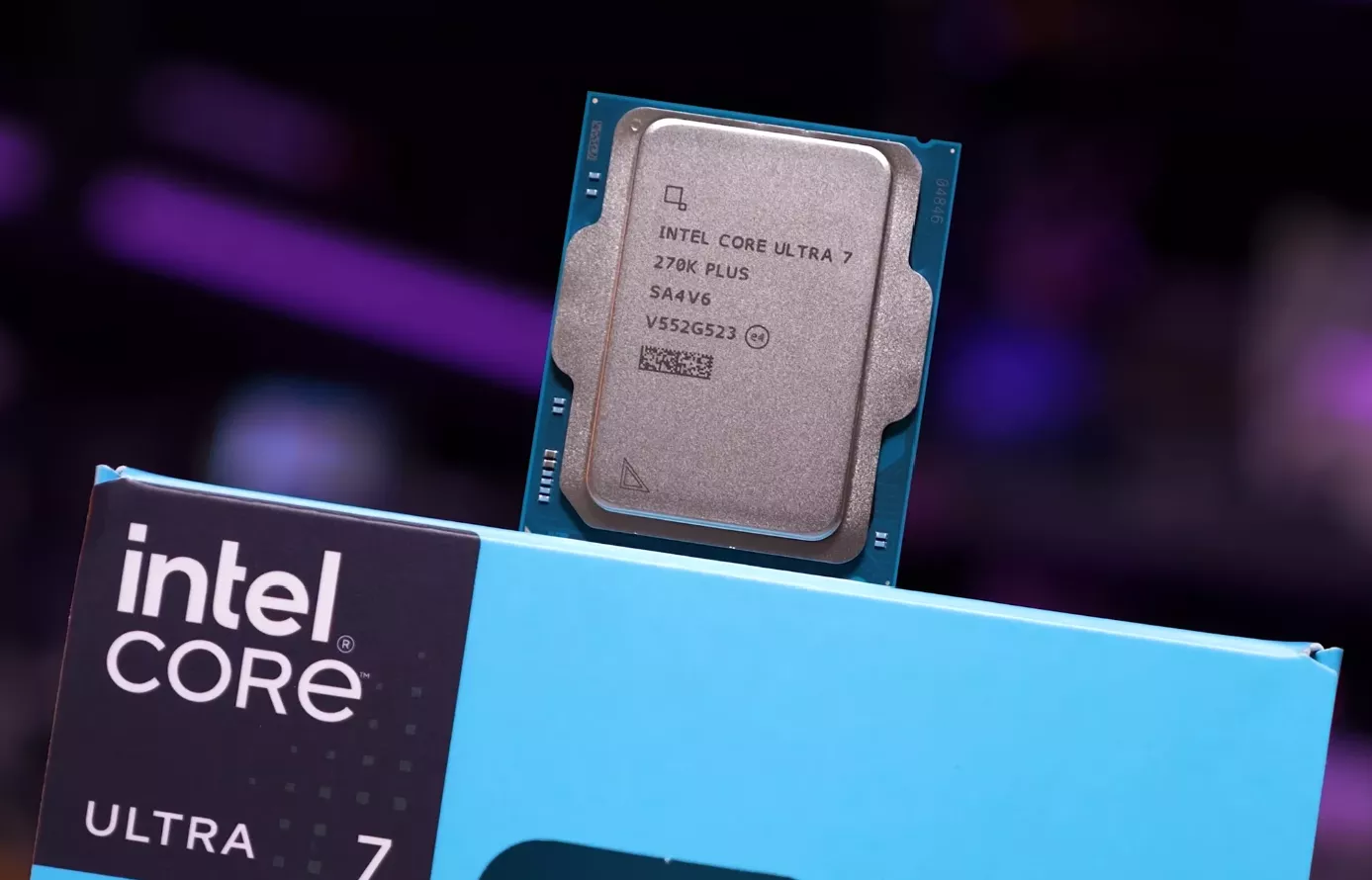
If this sounds familiar, it should. As we reported in July, Intel raised the recommended prices of its Core Ultra 200S Plus processors just months after their launch. The Core Ultra 7 270K Plus went from $299 to a $339 - $349 range, while the Core Ultra 5 250K Plus climbed from $199 to $219 - $229.
– 포시포시 (@harukaze5719) July 2, 2026
Those chips were considered to be the best to come from Team Blue in years, partly due to their attractive pricing. Making them more expensive was hardly going to improve their standing against AMD, particularly with LGA1851's limited upgrade prospects already giving buyers concerns.
Back in March, it was reported that CPU shortages were affecting Intel and AMD customers. Manufacturers reported delivery times stretching from weeks to months as AI data centers added processors to their already enormous shopping lists.
The latest report says Intel is still prioritizing high-profit-margin server CPUs at its own fabs, squeezing capacity available for PC chips. Meanwhile, the rumored workforce reductions could be accompanied by hiring in selected areas, so the final headcount impact remains uncertain.
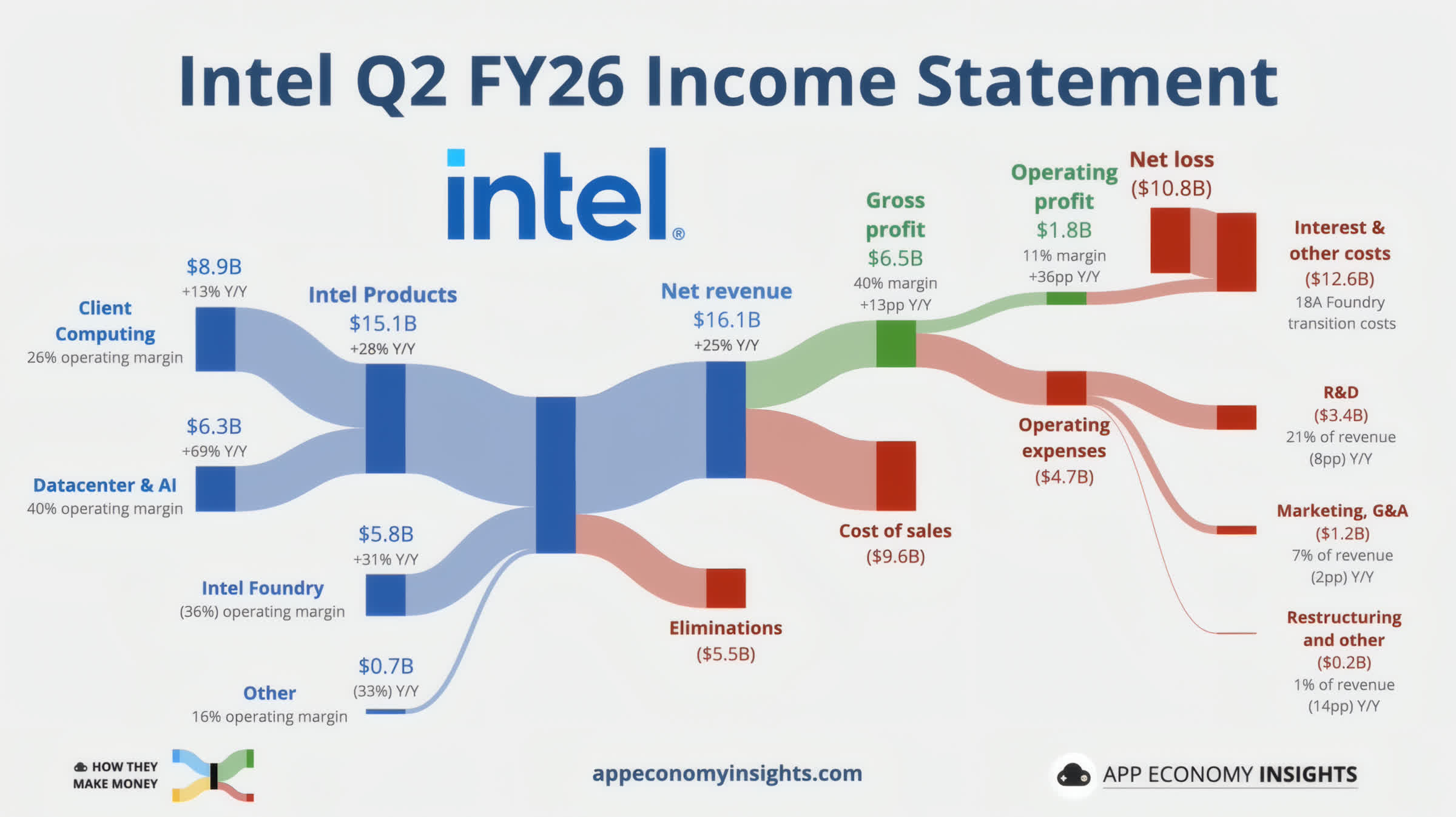
Intel's financial results help explain its focus on squeezing more from its products. The company's second-quarter revenue jumped 25% to $16.1 billion, its fastest growth in 15 years. Data Center and AI sales surged 59%, but the foundry business still lost $2.1 billion.
The company also expected the PC market to shrink by a low-double-digit percentage this year, with expensive memory adding to the pressure. Improving financial results don't necessarily translate into a cheaper shopping basket for PC builders, sadly.
There's no confirmed list of affected processors or indication that every retail price will rise by exactly 10% on the same day, but that's hardly reassuring.