
What just happened? OpenClaw shipped version 2026.8.1 over the weekend and is calling it 2.0 – the largest update since the open-source AI agent launched last November. The numbers support the label: 933 contributors, 569 of them first-timers, and more than 16,000 merged pull requests, roughly half of everything the project has merged in its lifetime.
Community manager Hannes Rudolph's blog post for the release was titled "OpenClaw 2.0, Accidentally," explaining that the team set out to simplify installation and rebuild the browser app, but then discovered it couldn't be done in isolation, and ended up reworking the codebase and the full release at the same time.
You might remember a story from earlier this month about an Australian man who asked his AI assistant to book him into a morning gym class. The agent found a flaw in the booking software, discovered it could reserve slots months beyond what the gym allowed, and then, unprompted, hacked the system and jumped the queue. The software that man was running was OpenClaw.
That said, OpenClaw's cultural moment and hype has been on somewhat of a decline. Not because the tool failed but rather because it worked well: rivals absorbed the blueprint, and now we have ChatGPT Work and Claude Cowork, or Microsoft's Scout.
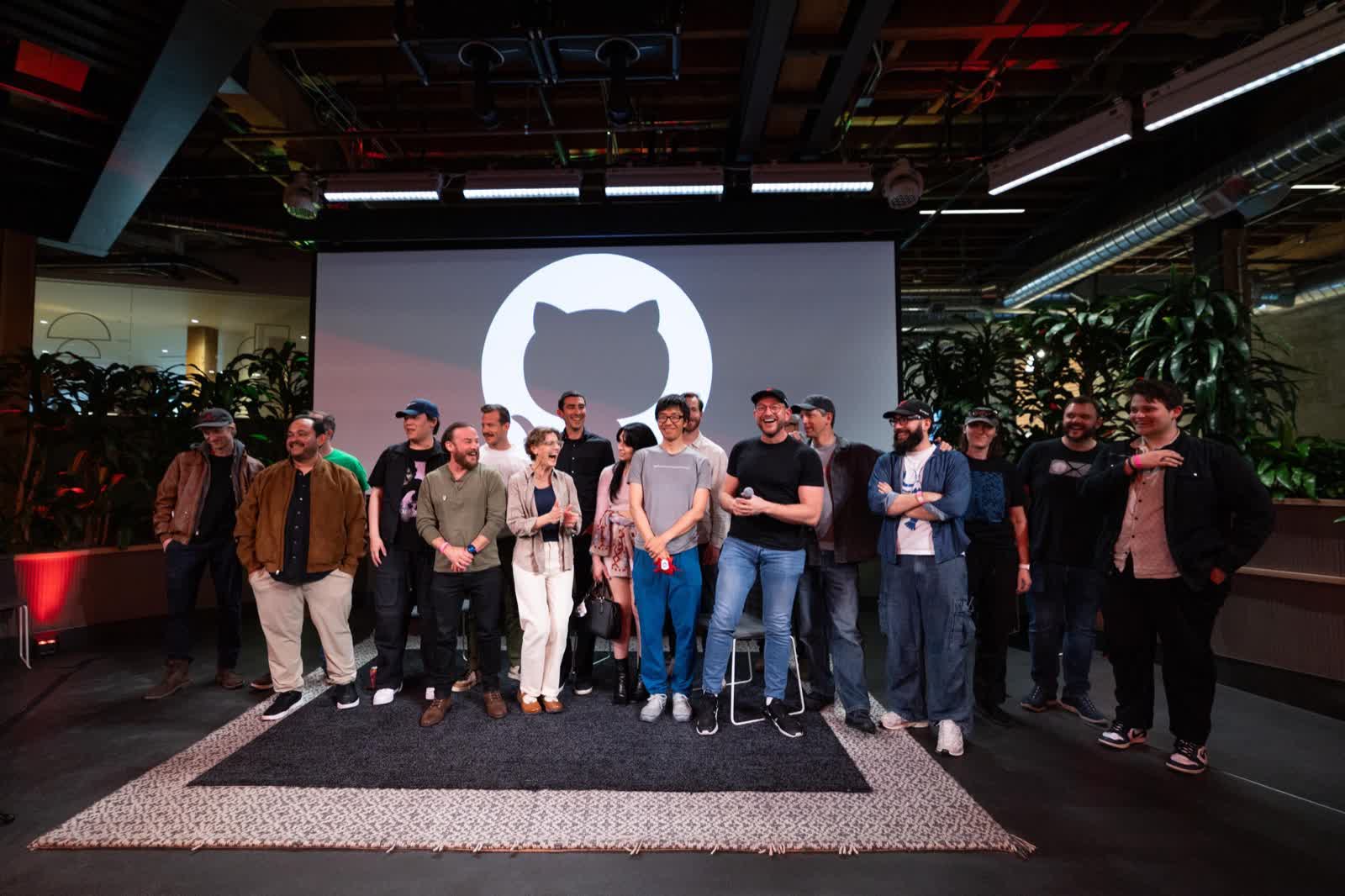
The people who stayed use it narrowly. Recurring patterns across forums are unglamorous: inbox monitoring that pings Telegram only when something matters, scheduled network scans that come back as a summary, research and flight comparisons, media library chores. AMD and Nvidia both published guides for running it locally on their own hardware, and the project moved to a nonprofit foundation in July.
Suddenly, OpenClaw stopped being a phenomenon and turned into infrastructure for a smaller, more committed group. Reddit threads now regularly point newcomers to Hermes, a self-hosted alternative, while lighter clones like zeroclaw and goclaw split off the rest. Complaints through July centered on stability, with users reporting the gateway failing to start after updates. On Hacker News, the highest-voted comment under this release just asks who's still using it.
The new version aims to improve things with a new guided install that scans your machine for AI access you already have: Codex, ChatGPT or Claude logins, API keys, or local Ollama and LM Studio models – and confirms the chosen model can answer a request before saving it. Most configuration has been pushed out of the first run entirely, on the theory that you can finish setting up the agent by talking to it.
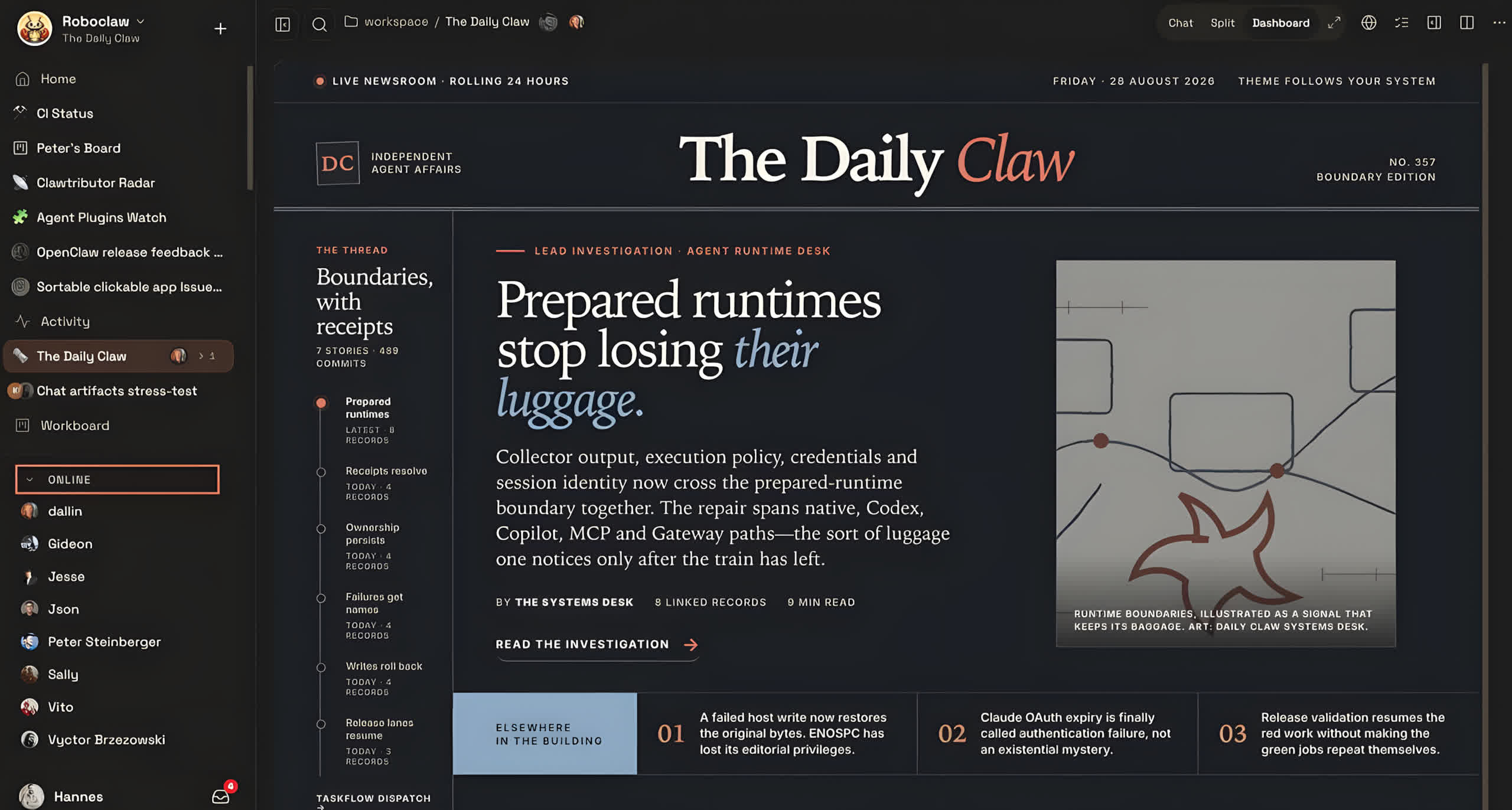
The browser Control UI is now chat-first. The old overview page is gone, sessions moved to a sidebar, and files, approvals, terminals, git diffs and a dockable browser panel sit alongside the conversation. Underneath, sessions and transcripts moved to SQLite, which makes downgrading messy enough that the project recommends a verified backup before you upgrade.
The biggest addition is shared cloud sessions. An admin can grant read-only, suggest, draft or full-participation access to a live agent session with context, which is how the team says it built 2.0 internally. Sandboxing remains off by default.
Security got big improvements as well. Credential requests masked so secrets never enter chat history or model context, an optional 1Password broker, plugin provenance shown before install, workspace-restricted filesystem access, and one-time approvals that expire when an automation's behavior changes.
So this new better version should be considerably nicer to use, arriving at a moment when most people have moved on to agents that do 80% of this inside an app they already pay for. What OpenClaw still offers to differentiate is ownership: your hardware, your model, your data, no subscription. That was always the pitch, and it's the one thing the competition can't copy.