What just happened? Taiwanese prosecutors are investigating Unimicron Technology over allegations that the company relabeled printed circuit boards made in China as products of Taiwan. The case has put fresh attention on supply-chain compliance at a company whose PCB and advanced packaging materials serve high-performance computing, AI, and smartphone markets.
Investigators from the Taoyuan District Prosecutors Office searched Unimicron's headquarters in Guishan District and a manufacturing plant in Zhongli District on Friday. Fourteen executives and employees were questioned. Prosecutors have not announced charges, and the investigation is continuing.
The case centers on allegations that Unimicron sent China-made PCBs to Taiwan and changed their labels to show Taiwan as the country of origin. Prosecutors said the case involves suspected violations of Criminal Code provisions related to document forgery and false product-origin markings. The office said it would continue gathering evidence.
A PCB department general manager surnamed Wang was released on NT$15 million (about $474,263) bail. A deputy general manager surnamed Wu was released on NT$12 million bail. Three others posted bail ranging from NT$300,000 to NT$5 million, while nine people were released without bail.
Unimicron spokesperson Chung Ming-feng said the company is "fully cooperating with the investigation regarding disputes over product origins."
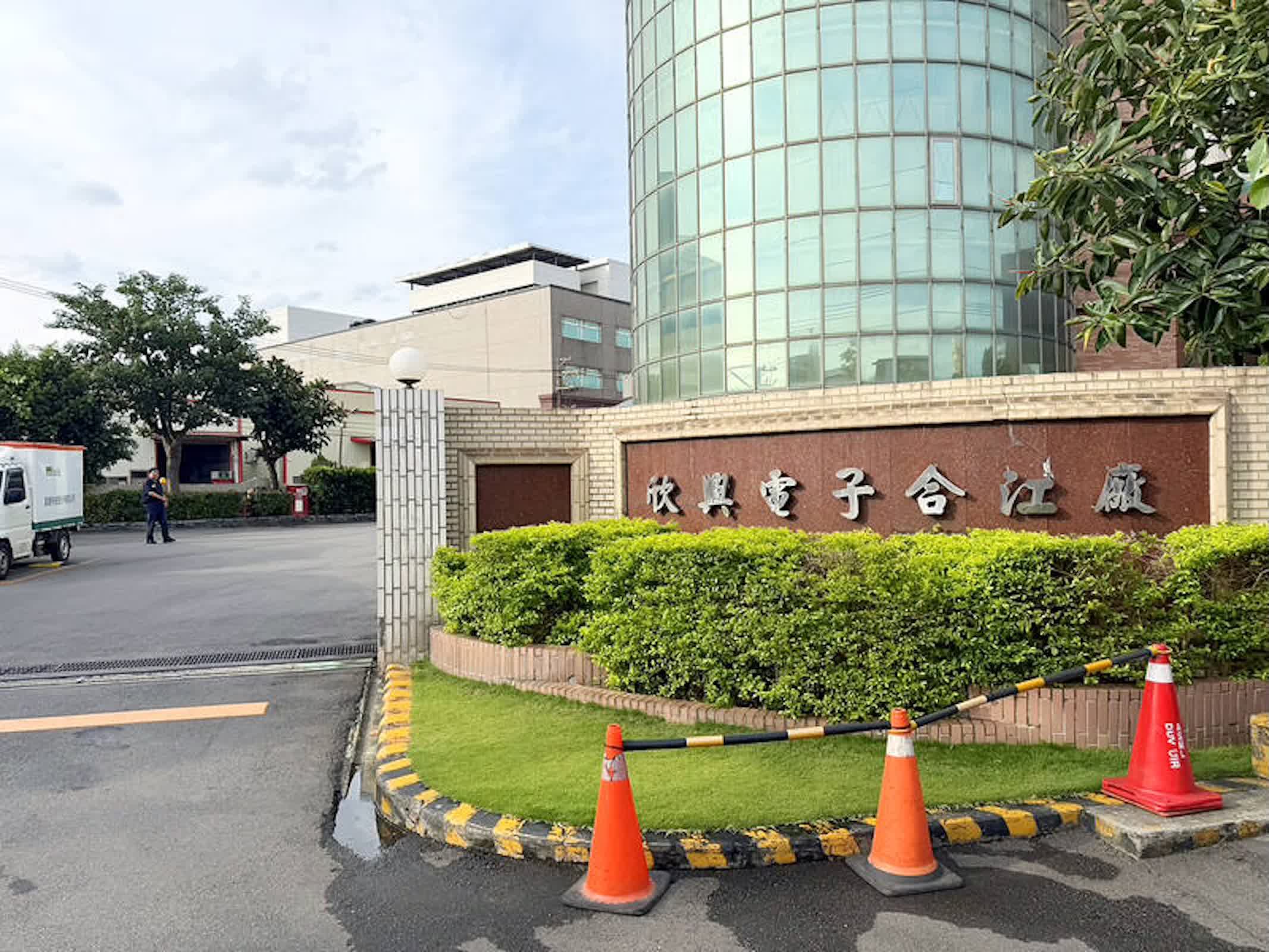
The case has drawn attention because Unimicron supplies materials used in advanced semiconductor packaging. The company is a major producer of Ajinomoto Build-up Film (ABF) substrates, which are used in high-performance computing, AI, and smartphone chips. It also makes printed circuit boards.
Unimicron counts Nvidia and Intel among its customers. It is not known whether either company is connected to the products being investigated, whether the boards were exported to the United States, or whether the matter involves ABF substrates.
The allegations raise questions for buyers of electronics components that must track where parts are made and how they are documented. Country-of-origin claims can affect customs treatment, trade compliance, and sourcing decisions, particularly for hardware used in AI servers and other advanced computing systems.
The inquiry comes as US officials increase scrutiny of technology supply chains linked to China, especially those involving advanced AI-related hardware. If prosecutors find that China-made goods were moved through Taiwan and relabeled before export, the issue could prompt closer reviews by customers and regulators.
Image credit: Taipei Times