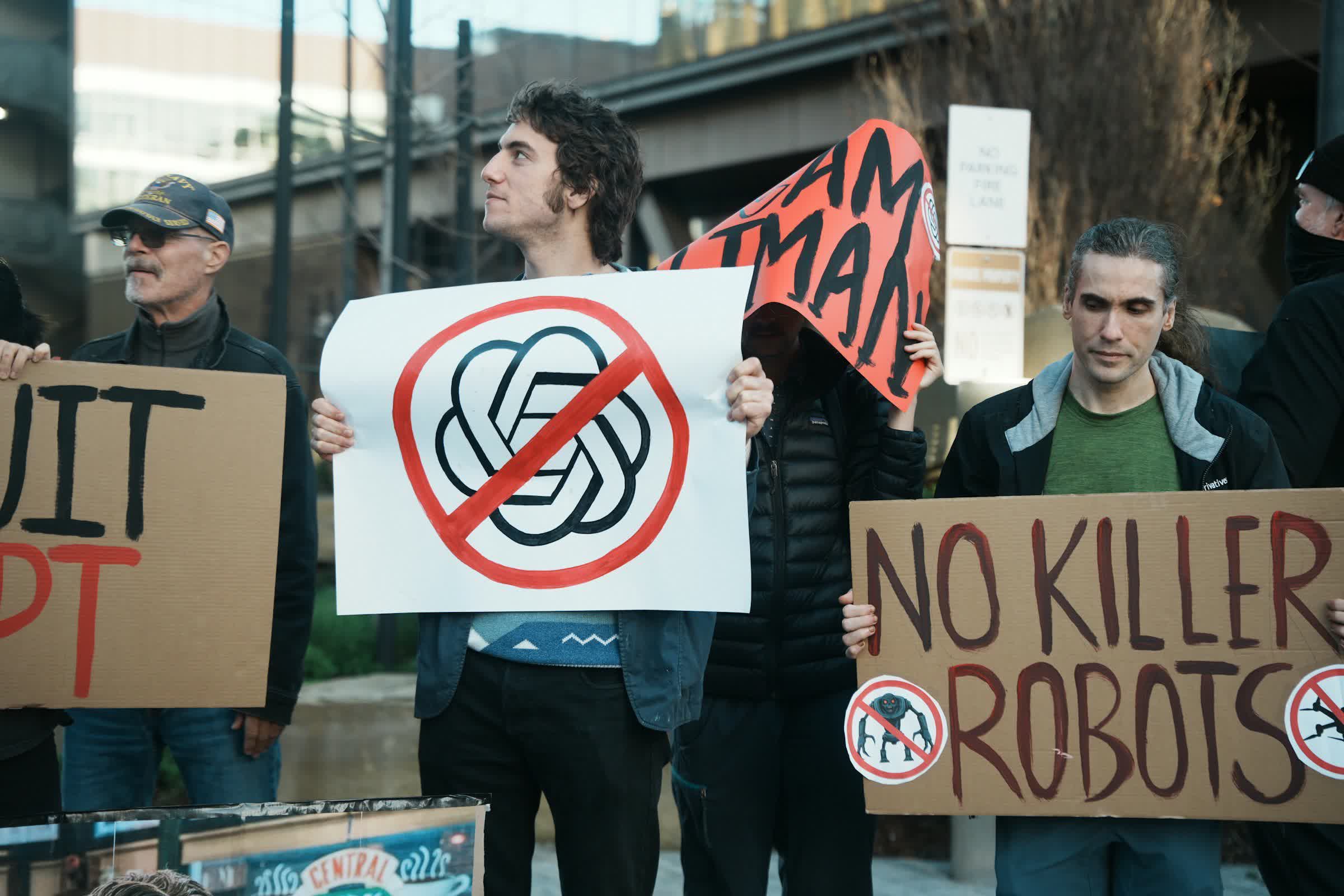
A hot potato: AI advocates have long said that the technology will change our lives at an unprecedented pace, disrupting the status quo and thrusting us into an unpredictable and scary future. That hasn't happened, at least not yet. In fact, anti-AI sentiment seems to be growing. Even OpenAI boss Sam Altman admits that "we've all been too ambitious on timelines."
A recent survey found that almost 49% of US adults now use AI chatbots. While that is up from 33% two years ago, it's not as all-encompassing as, say, the number of people who use the internet every day.
That figure is likley a lot lower than Altman and other AI evangelists expected. Speaking to podcaster David Senra, the OpenAI boss seemed to blame some of this on people's stubbornness, though he thinks we fleshy humans will eventually see the light and abandon our tried and trusted old ways.
"I think I was wrong about a few things," Altman admitted. "One of them is just [the fact that] the economy just has so much inertia. People keep doing the same things...they're buying from the same company, they keep wanting to use their tools in the same way. I think that's actually a positive in many ways, and it's going to make this big transition in front of us go smoother and slower, and I'm grateful for it. But I think it means we've all been too ambitious on timelines."
Offering an example of this old-habits-die-hard behavior, Senra said he recalled being surprised that people still used Blockbuster even after Netflix started offering DVD delivery – a seemingly superior service it originally provided before becoming a streaming giant. Altman agreed.
The number of people using AI has grown alongside the pushback against it. The anger against new data centers and the problems they introduce is causing plenty of headaches for tech giants. There are also the tens of thousands of workers who've lost their jobs as a result of automation or AI investment. There are concerns about AI causing major damage, too, amplified by the recent incidents of agents going rogue. And online AI slop has become so prevalent that it's making people fall out of love with the internet.
Altman thinks this sort of resentment is partly normal and healthy, arguing that we are always afraid of rapid socioeconomic change and comparing the current situation to the Industrial Revolution.
The CEO argued that the AI industry has amplified those fears by warning of existential risks and mass job losses while failing to explain the technology's benefits and how the downsides can be mitigated.
Promises of universal basic income or an end to compulsory work also miss what many people value most, he said: autonomy, personal freedom, and a say in their future.
Altman called the prospect of a few companies controlling AI in exchange for providing safety and abundance an "anti-human" sales pitch. Instead, he believes wider adoption will depend on empowering individuals, including making entrepreneurship more accessible and triggering what he predicts will be an unprecedented boom in small businesses.
Altman's view that AI's slower-than-expected transformation is partly due to old habits – and the industry's failure to explain the technology's benefits – is debatable. A recent survey showed most people don't trust CEOs to act responsibly on AI, so would they even believe the spiel?
Altman's been offering some pretty controversial views recently. He said in July that AI won't shorten the workweek because we humans secretly enjoy being busy. More recently, he said four years is too long for college courses.