
Why it matters: Meta goes to trial today over claims that it designed Facebook and Instagram in ways that kept young users engaged for longer and contributed to their harm. The outcome could determine whether courts treat social media engagement systems as standard product features or as design choices that create legal exposure when used by children and teenagers.
The case, which will be heard in federal court in Oakland, California, could put some of Meta's most familiar platform features under scrutiny. The states suing the company are seeking changes to infinite scrolling, recommendation systems, autoplay, like counts, appearance-altering filters, and disappearing posts for younger users.
A bipartisan group of 29 states filed the lawsuit in 2023. The attorneys general, led by those from California, Colorado, Kentucky, and New Jersey, accuse Meta of violating state consumer protection laws and the federal Children's Online Privacy Protection Act. They argue that Meta collected data from children under 13 and misled the public about safety measures on Instagram and Facebook.
The states also allege that Meta knowingly used product features that encouraged young people to spend more time on its platforms. Their proposed remedies include parental verification for teen accounts, limits on push notifications, restrictions on multiple accounts, and changes to recommendation algorithms.
Meta has denied the allegations.

"We strongly disagree with these allegations and are confident the evidence will show our longstanding commitment to supporting young people," a company spokeswoman said in a statement.
The potential financial consequences are unusually large. Meta has said it could face penalties of up to $1.4 trillion if it loses, although California lawyer Megan O'Neill said during a hearing last week that the states' estimate was closer to $193 billion. The states have not publicly disclosed a final damages figure.
"The stakes could not be higher in this case," Eric Goldman, a professor at Santa Clara University Law School who specializes in internet law, told Bloomberg.
The trial will focus on the design of Meta's products rather than individual posts made by users. That distinction is important because social media companies generally have strong legal protections against liability for user-generated content under Section 230 of the Communications Decency Act.
The states argue that Meta's liability stems from its own product decisions. They point to engagement tools and recommendation systems that they say were designed to encourage repeated use among children and teenagers.
Lawyers for the states have cited Meta's internal research on social comparison, including findings that linked Instagram use to "increased loneliness, worse body image, and negative mood or affect." They have also argued that visible like counts can intensify competition for validation among younger users.
Meta has pushed back on those claims and the scope of the states' demands.
"The AGs offer no proof anyone in their states was misled, claim benign features like having an additional Instagram account somehow harmed their residents, and attempt to penalize Meta for industry-wide challenges like age verification," according to the company.
US District Judge Yvonne Gonzalez Rogers will oversee the case. A jury will hear the evidence, but its decision will be advisory. Gonzalez Rogers will determine whether Meta is liable and, if so, what financial penalties or product changes should follow.
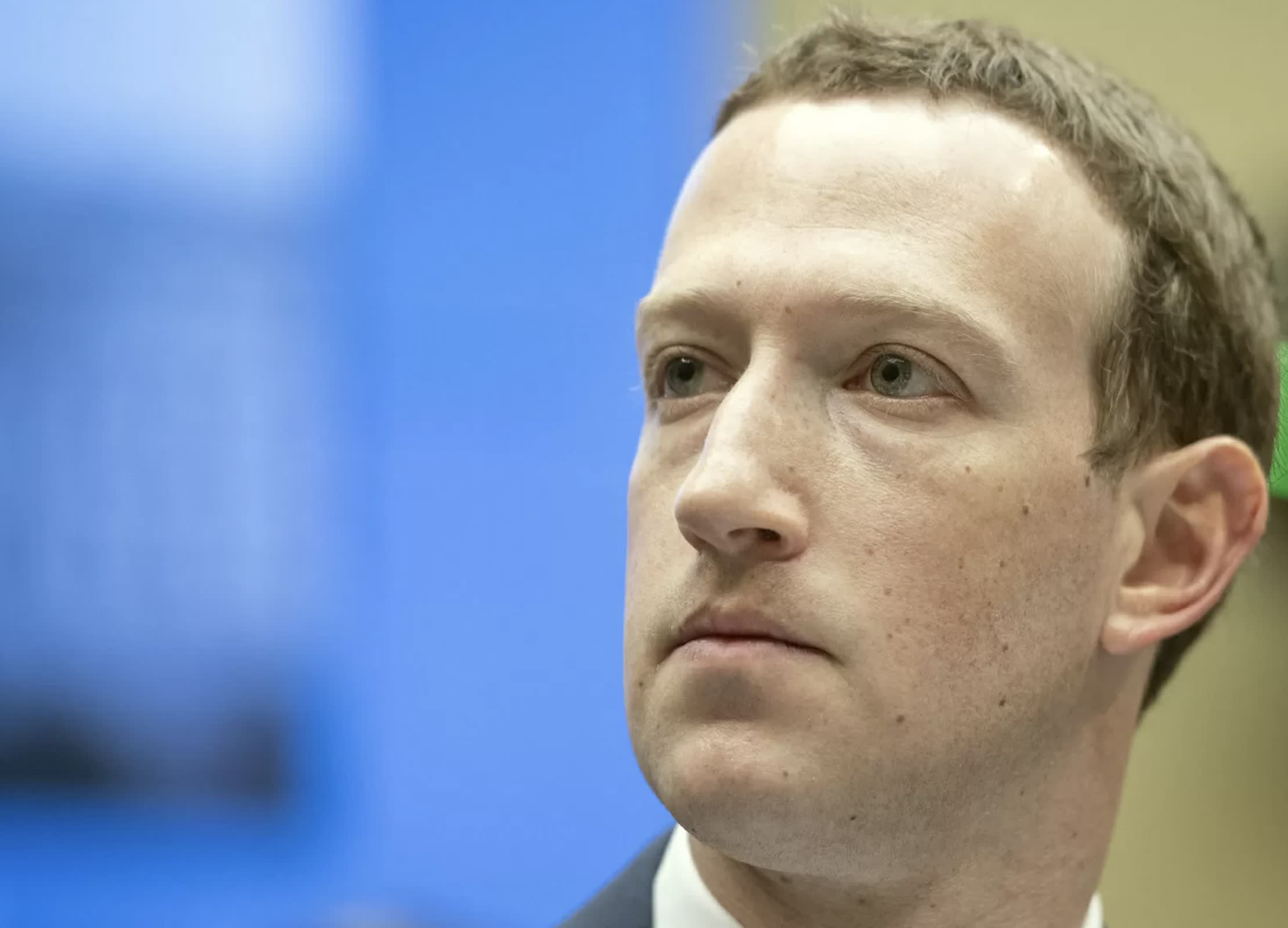
The trial is expected to run for about five weeks. Meta CEO Mark Zuckerberg and Instagram head Adam Mosseri are expected to testify, along with current and former employees and experts in technology and psychology.
The case follows a recent ruling in New Mexico, where a judge ordered Meta to pay about $942 million in fines and remediation costs. The judge also required changes to features used by younger people, including like counts and push notifications. Meta has said it will appeal.
The Oakland trial is broader in scope. The 29 states involved represent nearly two-thirds of the US population, making it difficult for Meta to limit any court-ordered product changes to a small portion of the country.