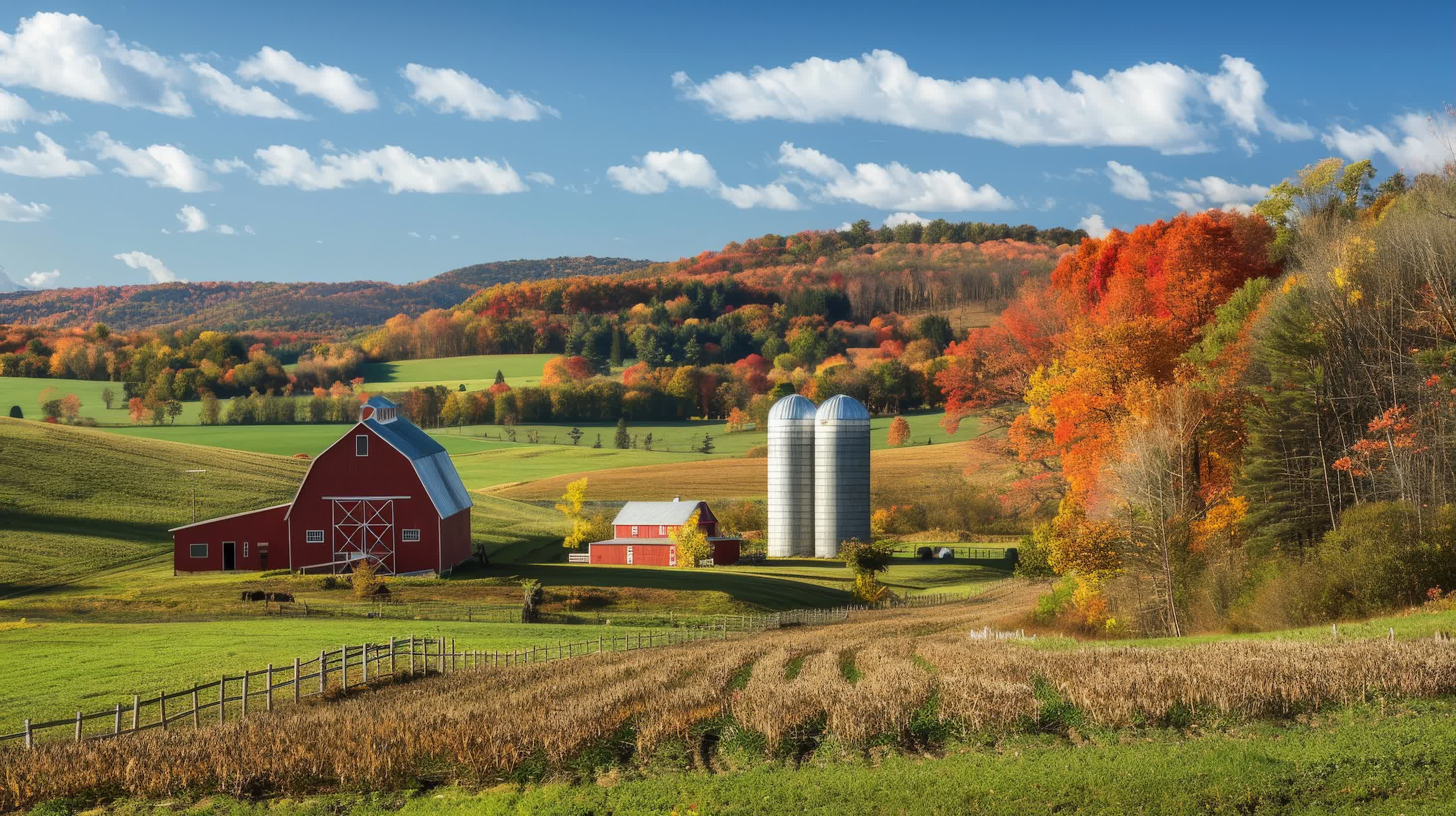
In a nutshell: An AI data center developer recently put $26 million on the table for roughly half of a 1,200-acre farm in Mason County, Kentucky – about ten times the local land value. The owners turned it down, worried about paving over good farmland, hurting the area's food supply, and putting more pressure on already limited water.
The anonymous buyer, described as a major AI company, was looking for a large site for a new data center. The Huddleston family's property checked the boxes: a big, contiguous tract in the right location. Farmland in Mason County typically sells for about $6,000 an acre, but the offer reflected what AI firms are now willing to pay for land that can support high-power facilities tied into the grid.
"They call us old stupid farmers, you know, but we're not," landowner Ida Huddleston told WKRC. "We know whenever our food is disappearing, our lands are disappearing, and we don't have any water – and that poison. Well, we know we've had it."
Her concerns match how AI data centers actually work: they pack in a lot of computing hardware, use very large amounts of electricity, and rely on cooling systems that can consume large volumes of water.
The United States already leads the world in data centers, with more than 4,400 facilities, according to Statista. The United Kingdom, in second place, has only about one-eighth of that number. A growing share of those sites are tailored specifically to AI workloads: racks full of GPUs and other accelerators, high-bandwidth networks, and specialized cooling systems.
As companies scale up model training and deployment, they need more electricity, more floor space, and more access to transmission lines, which pushes them to look beyond traditional industrial parks.
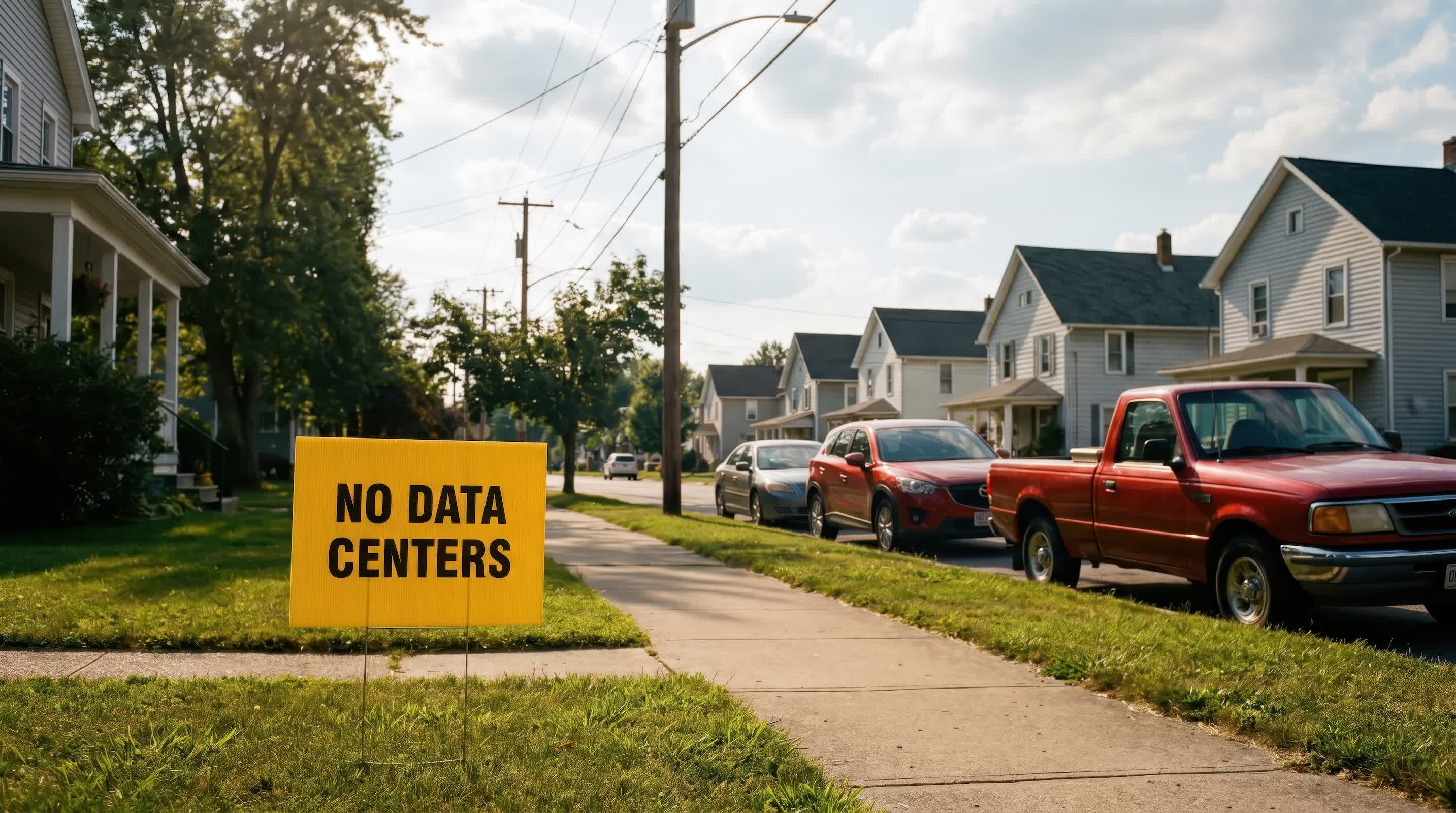
The kind of project pitched in Mason County is built around high power density. AI servers draw a lot more electricity than standard data center hardware, and clusters can ramp usage up and down quickly. That puts extra strain on local grids and can force utilities and operators to add new substations or onsite generation.
Cooling is another pressure point. Depending on the design, data centers may use evaporative systems, chilled water loops, or hybrid setups. Even when the facility itself uses closed-loop cooling, the power plant feeding it still requires water, so the overall footprint is significant.
Huddleston's daughter, Delsia Bare, tied the family's refusal to the farm's role in producing food and supporting the community. She recalled how earlier generations raised wheat during the Great Depression and helped keep bread lines supplied when the country was struggling. "Stay and hold and feed a nation," Bare said. "$26 million doesn't mean anything." For the family, the land's value is tied to what it produces and the history behind it, not the payout offered by a single tech project.
The data center boom they rejected is part of a much larger shift, as more facilities come online to handle AI workloads and push power demand higher. In some regions, that has been accompanied by worries about higher electricity bills, stress on grid equipment, and increased water use tied to cooling and generation. These are technical issues, but they are felt in very basic ways by people living near proposed sites.
Bare said the AI company didn't stop with the Huddleston property. Representatives contacted other landowners in the area, and some agreed to sell. That means the project is still likely to land nearby, even though one of the largest tracts stayed off the market. It's a pattern that has shown up in other places: some owners hold out, others take the money, and large tech firms piece together enough acreage to move ahead.
For people in the tech community watching the AI hardware build-out, the Mason County episode is a clear example of how physical requirements are reshaping where and how projects are sited. Companies want big parcels near transmission lines and, in many cases, near water sources. They are willing to pay for it. But they are also running into communities that do not want their farmland turned into high-power campuses.