
Overview: As social media algorithms come under increasing scrutiny, policies to ban children from services such as Facebook, X, YouTube, and Snapchat are gaining popularity across the globe. France has just become the latest country to pass such legislation – but data suggests the impact of Australia's earlier ban has been limited.
France's Parliament gave final approval on Tuesday to a law banning children under age 15 from social media, with the National Assembly voting 279 to 81 after the Senate had approved the text earlier the same day. The vote followed the Assembly's initial approval of the bill in January by a margin of 130 to 21.
President Emmanuel Macron, who strongly championed the legislation, wants it in effect before the new school year begins in September. The bill also bans smartphone use in high schools but exempts online encyclopedias such as Wikipedia, educational and scientific directories, and open-source software platforms such as GitHub.
The bill enjoyed unusually broad bipartisan support in France's traditionally divided parliament. Macron fast-tracked the legislation, hailing its passage as a "major step forward" and positioning France as the first country in the European Union to approve a blanket social media ban for minors.
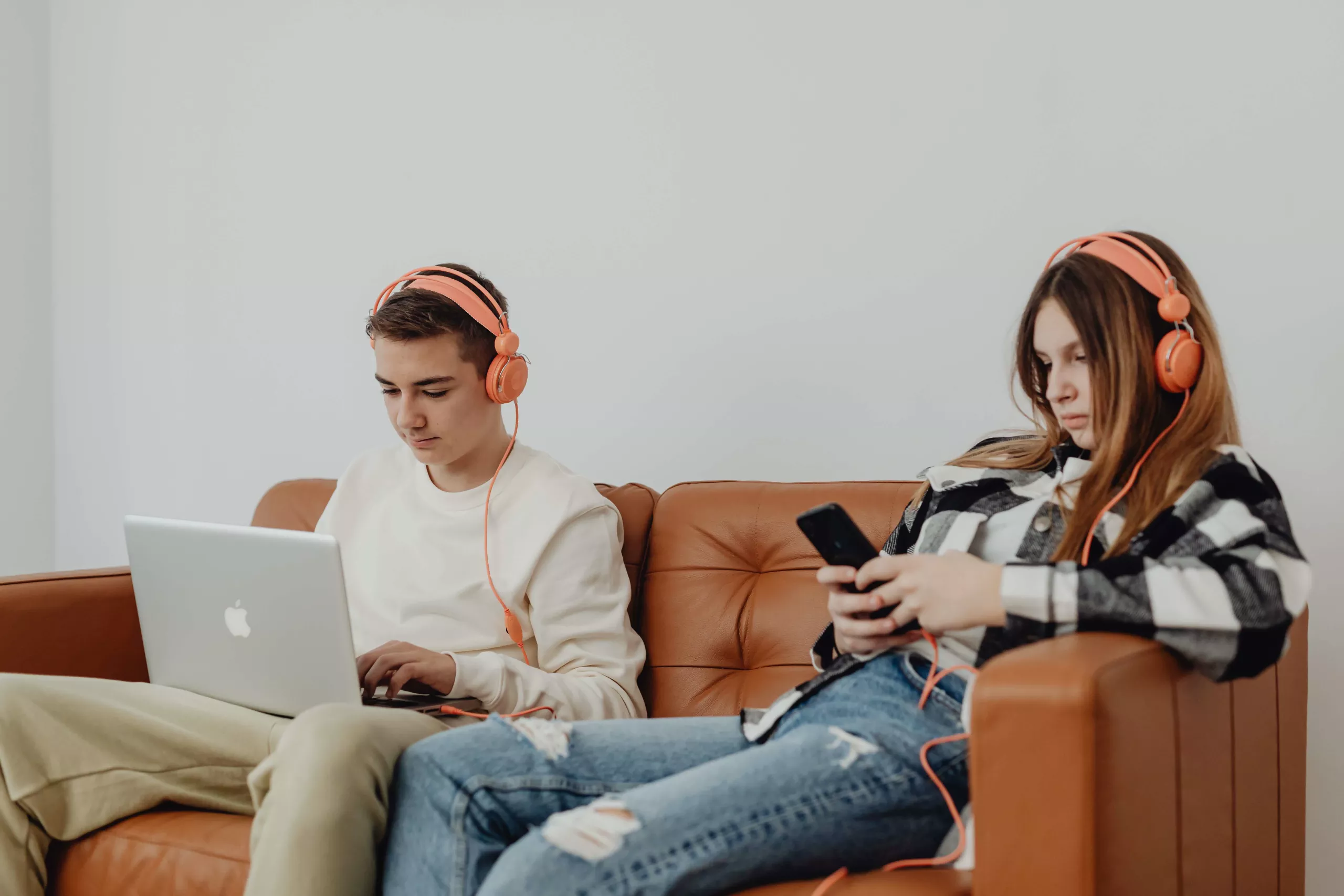
Macron cited data from France's national public health agency indicating that one in two teenagers in the country spends between two and five hours each day using smartphones. Approximately 90% access the internet via phones daily, and more than half access social media on them.
The president has said the country aims to protect children's brains from being "manipulated," in his words, "neither by American platforms, nor by Chinese algorithms." Lawmaker Laure Miller, who authored the bill, said the legislation firmly establishes that social media is not harmless, arguing it causes children to read less, sleep less, and compare themselves to others more.
With the law now passed, France leapfrogs proposals still moving through other European countries, including Greece, Norway, Spain, and the UK. Greece aims to enforce a ban starting next year, and restrictions for under-16s are set to be introduced into the Norwegian and British parliaments by the end of 2026.
Australia became the first country in the world to attempt such a ban, in December 2025, but recent studies cast doubt on its effectiveness. Australia's eSafety Commissioner found that roughly seven in ten children who held social media accounts before the ban took effect still retained them three months later, and a study published in the British Medical Journal put the figure as high as 85%.
Regulators say Facebook, Instagram, Snapchat, TikTok, and YouTube have largely failed to enforce the removal of underage accounts. Most teenagers who kept access report never encountering an age-verification check, even though some circumvented restrictions using VPNs or other workarounds. France is also considering restricting VPN use to close a similar loophole.
In response to the noncompliance, the Australian government doubled the maximum penalty for infringing companies to $99 million AUD (about US$68 million). Australia's internet regulator, eSafety, is currently investigating Facebook, Instagram, Snapchat, TikTok, and YouTube for non-compliance.