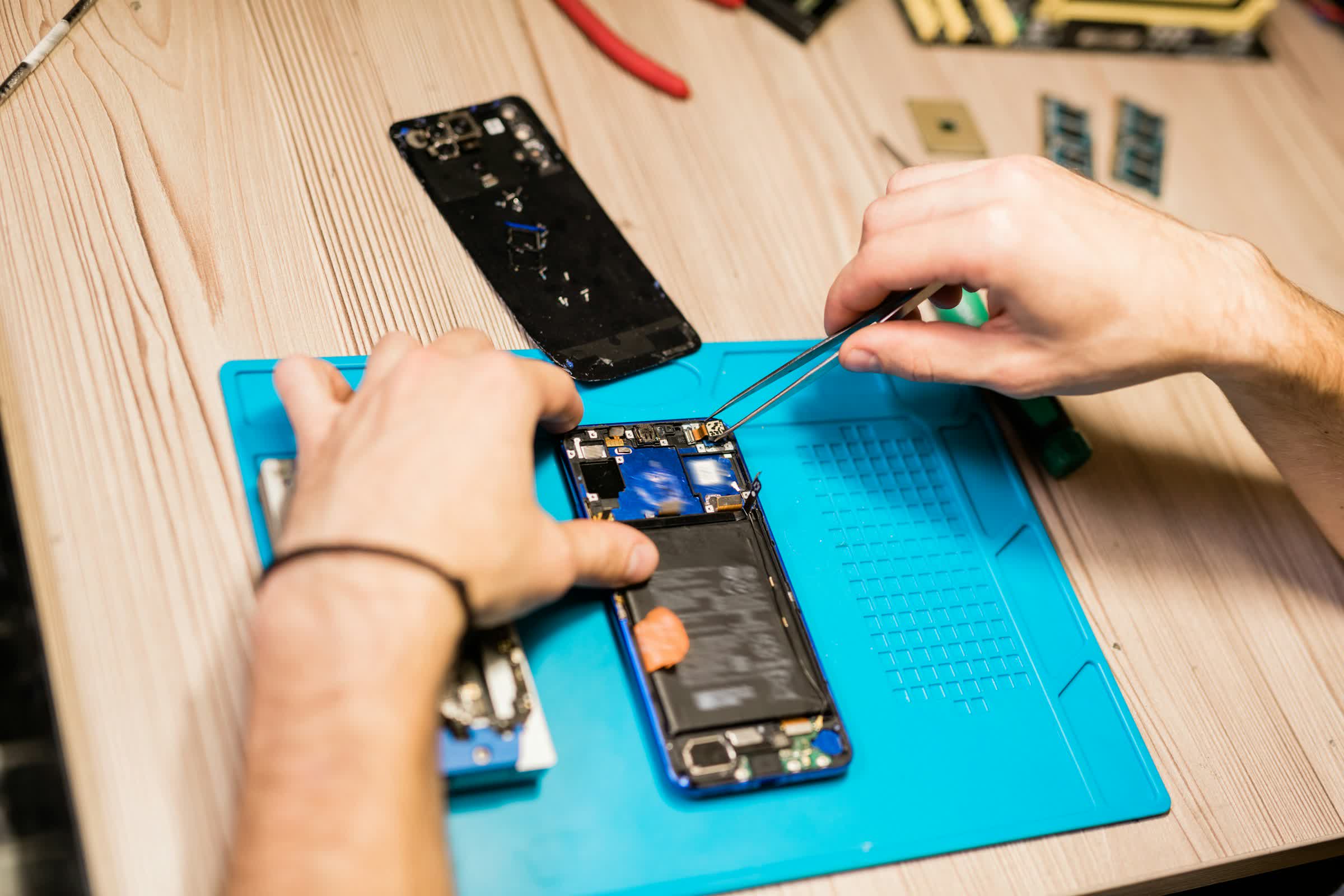
Why it matters: iFixit is working with NSF to create a voluntary repairability scoring standard for electronics in the US. The aim is to give retailers, lawmakers, manufacturers, and consumers a clearer way to judge how easy a product is to repair before it is bought.
The repair specialist says the new system will be separate from its familiar teardown scores, which have long rated devices based on factors such as ease of disassembly, parts access, documentation, and software restrictions. Instead, the NSF project is intended to become a more formal, repeatable standard that can be used beyond iFixit's own reviews.
The work will begin by adapting the EU and Joint Research Centre smartphone methodology for the US market. A second phase will create a framework for future scorecards using international standards such as EN 45554 and the developing IEC 63683-2. The third phase will bring in outside experts to help build additional scorecards for other product categories.
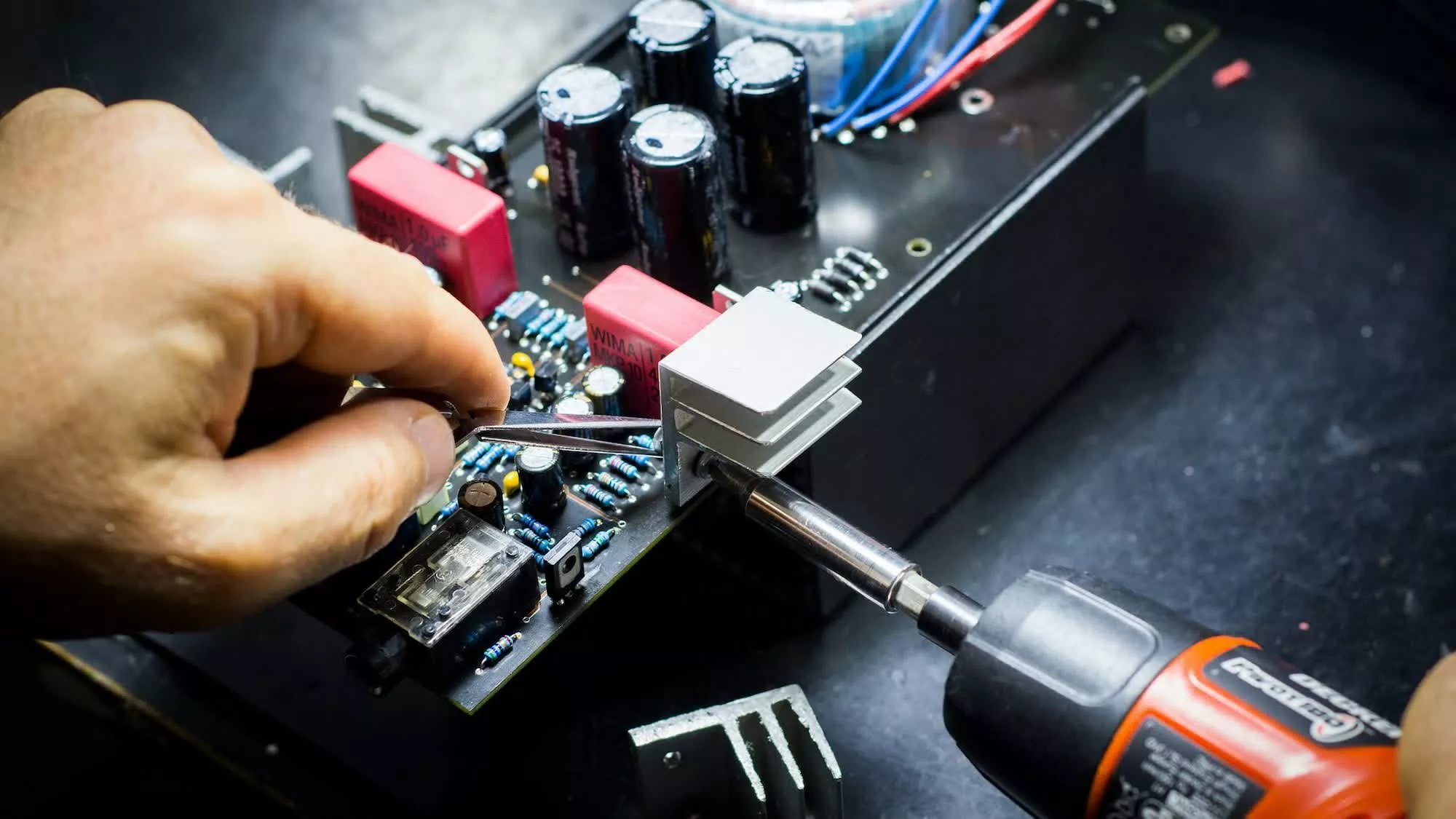
Europe has already moved ahead with repairability labels. Since June 2025, smartphones and tablets sold in the EU have had to display labels covering repairability, battery endurance, durability, and energy efficiency. France began requiring repairability scores in 2021, giving shoppers a simple rating at the point of sale.
The US is also starting to move in that direction. New York lawmakers recently passed the Electronics Repair Scores Act, which would require digital electronics manufacturers to provide retailers with a one-to-ten repair score for customers to see before buying. The bill was still awaiting the governor's signature when iFixit announced the NSF partnership.
Right to repair has grown from a few consumers complaining into a major policy fight. Recent examples include Colorado facing industry-backed attempts to weaken its landmark repair protections, a nonprofit paying hackers to unlock abandoned devices, Philips letting users 3D-print replacement parts at home, and John Deere agreeing to a $99 million settlement in a repair monopoly case without admitting wrongdoing.
A voluntary standard will not force companies to sell spare parts, publish manuals, or stop gluing batteries into devices. But it could give buyers and lawmakers a clearer way to judge whether a product is actually easy to repair.