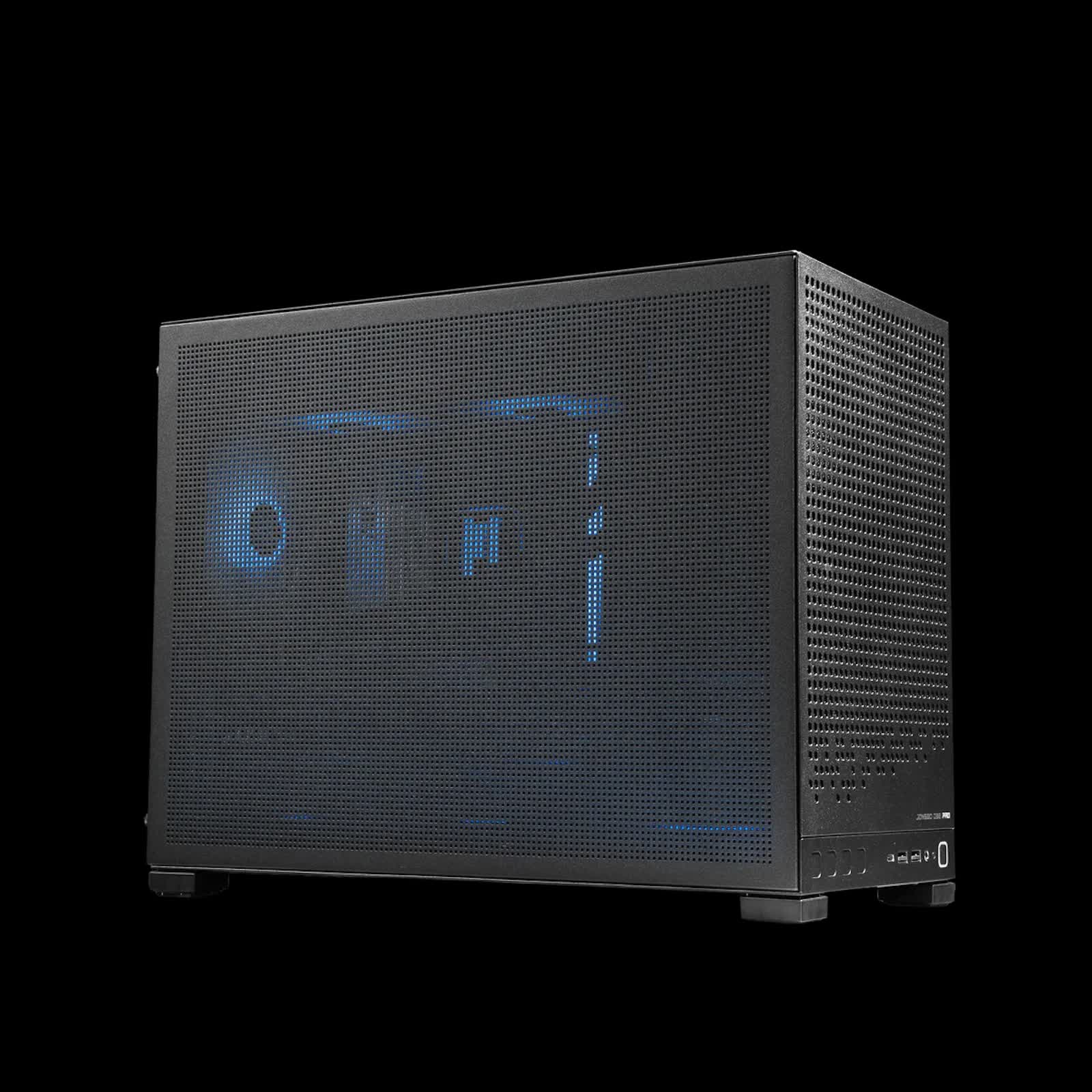
First look: Meta PCs is putting Valve's SteamOS on a regular pre-built desktop gaming PC instead of one of Valve's own devices. The new Steamroller PC uses standard components and relies on SteamOS as its standout feature.
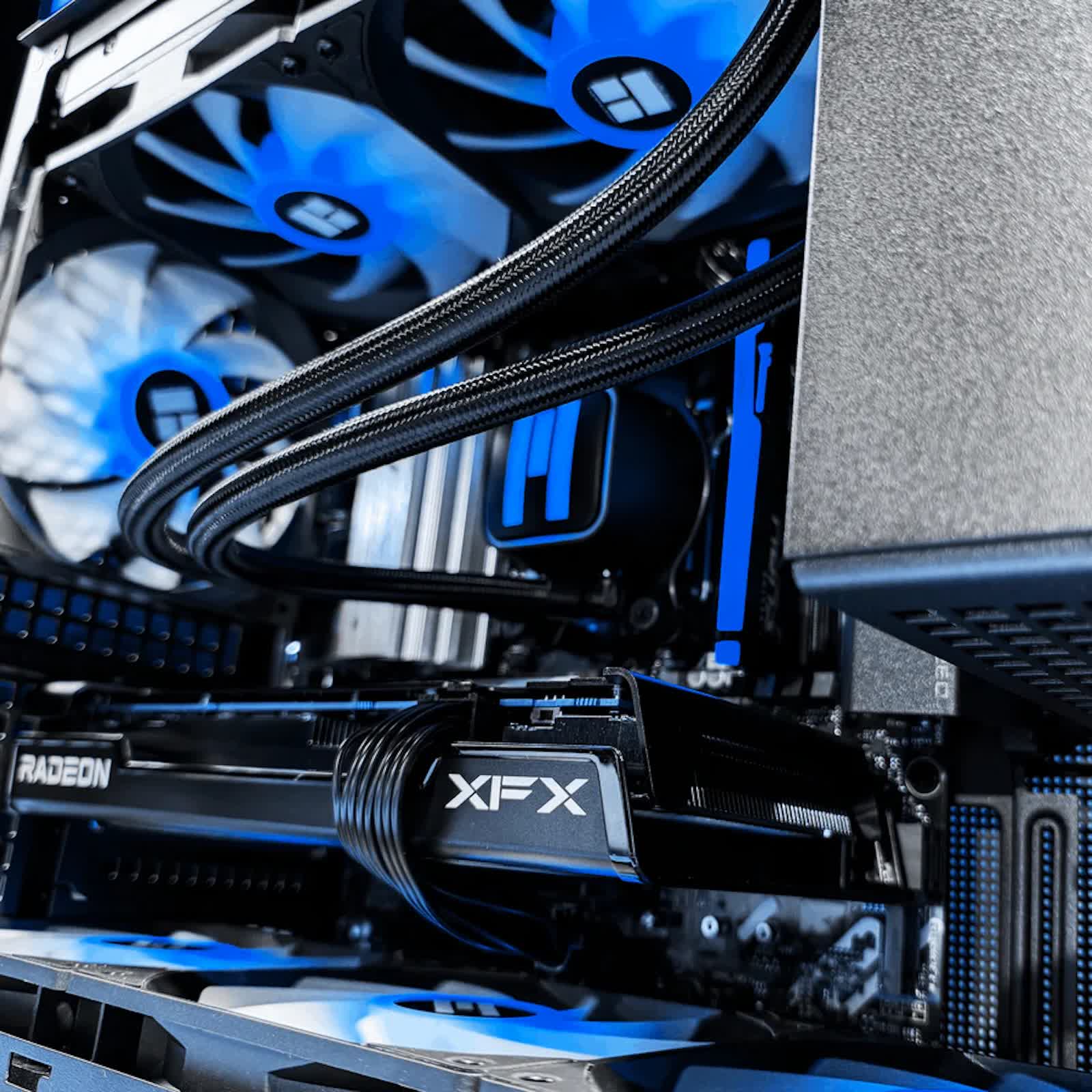
Steamroller is built like a modern mid-range gaming rig. Inside is an AMD Ryzen 5 9600X six-core CPU and a Radeon RX 7600 GPU, targeting high-frame-rate 1080p play in titles like Cyberpunk 2077, Elden Ring, and Baldur's Gate 3.
The system includes 16GB of DDR5-5600 memory, a 1TB NVMe M.2 drive, and either a B650M or B850M motherboard with Wi-Fi. The whole system sits in a Jonsbo D32 black case, cooled by Meta's 240mm all-in-one liquid cooler and powered by a 650W 80+ Gold supply.
Before shipping, every unit is stress-tested with OCCT's Enterprise Burn-in benchmark, and assembly is handled at the company's Arizona headquarters.
The bigger story, though, is the software. Steamroller ships with SteamOS preinstalled, turning an otherwise standard desktop PC into a dedicated Steam Machine. SteamOS, Valve's Linux-based platform, now leverages Proton to run a large share of Windows games on Steam without separate Linux builds.
In practice, that means Steamroller behaves much like a Steam Deck or Valve's own Steam Machine: familiar Steam interface, controller-friendly Big Picture mode, and a console-style experience on top of off-the-shelf PC hardware.
Valve, meanwhile, is pushing SteamOS beyond its own devices. With SteamOS 3.8, the company has expanded support for recent AMD and Intel platforms and is openly encouraging people to build their own Steam Machines, as long as they use AMD graphics for now. Valve software developer Pierre-Loup Griffais noted in a recent post that "If you have an AMD GPU, you can build your own Steam Machine now! More GPU support being worked on."
He has also said there is "not yet an install wizard" for easy dual-boot setups, which is a nod to the fact that SteamOS installation still asks more from users than a typical Windows install.
There is also the question of Nvidia. Griffais says Valve is "collaborating with Nvidia very closely" and that the company has "a growing team" working on SteamOS support for Nvidia GPUs. He has cautioned that Nvidia support might not land in 2026, but the work is clearly underway.
For now, enthusiasts willing to tinker have already managed to get SteamOS running on a mix of unofficial hardware, using the usual Linux tools and workarounds. Valve's own roadmap points toward making that process less painful, with a more polished installer and broader hardware coverage over time.
We've just updated the SteamOS installation image to 3.8. This update improves compatibility with certain modern systems and includes a first-time setup. help.steampowered.com/en/faqs/view... If you have an AMD GPU, you can build your own Steam Machine now! More GPU support being worked on.
– Pierre-Loup Griffais (@plagman.bsky.social) June 23, 2026 at 9:43 PM
Steamroller arrives more than a decade after earlier SteamOS machines failed to catch on. Valve's first Steam Machines, launched in 2013 and sold by companies such as Alienware, Zotac, and CyberPower, ran on an early version of SteamOS and a tiny native Linux game catalog. Today, SteamOS benefits from years of work on the Steam Deck, and Proton's translation layer makes it suitable for day-to-day PC gaming rather than just a niche experiment.
Meta PCs is pricing the base Steamroller configuration at $1,299. That includes lifetime support for hardware diagnostics, software troubleshooting, and general maintenance. Buyers can add a two-year extended warranty for $180 or a three-year option for $240. Pre-orders are scheduled to ship on July 3, 2026.