
A hot potato: One of the many controversial elements of the Steam Machine has been Valve's bold claim that it was capable of "4K gaming at 60 fps with FSR." That might be true in most cases, but testing has shown it requires games to be played at their absolute minimum settings. Now, the company has changed the line to a more accurate "Up to 4K gaming with FSR 4.1."
Beyond that painful price and restrictive hardware, Valve's claim about 4K/60fps gaming was another Steam Machine element that's come in for heavy criticism. It's now led to Valve altering the language and listing FSR 4.1 by name – the first time the company has publicly confirmed support for the latest upscaling standard. Our testing shows detail and clarity have been further improved, though it's not quite on the same level as Nvidia's DLSS.
– Steam Hardware Updates (@HardwareSteam) June 25, 2026
Changing the statement to "up to 4K" makes the claim a lot safer. Having to drop games to their bare minimum graphics settings to meet the 4K/60fps boast made them look hideous, and there were some titles, including Death Stranding 2, that simply could not reach that 60fps target in 4K.
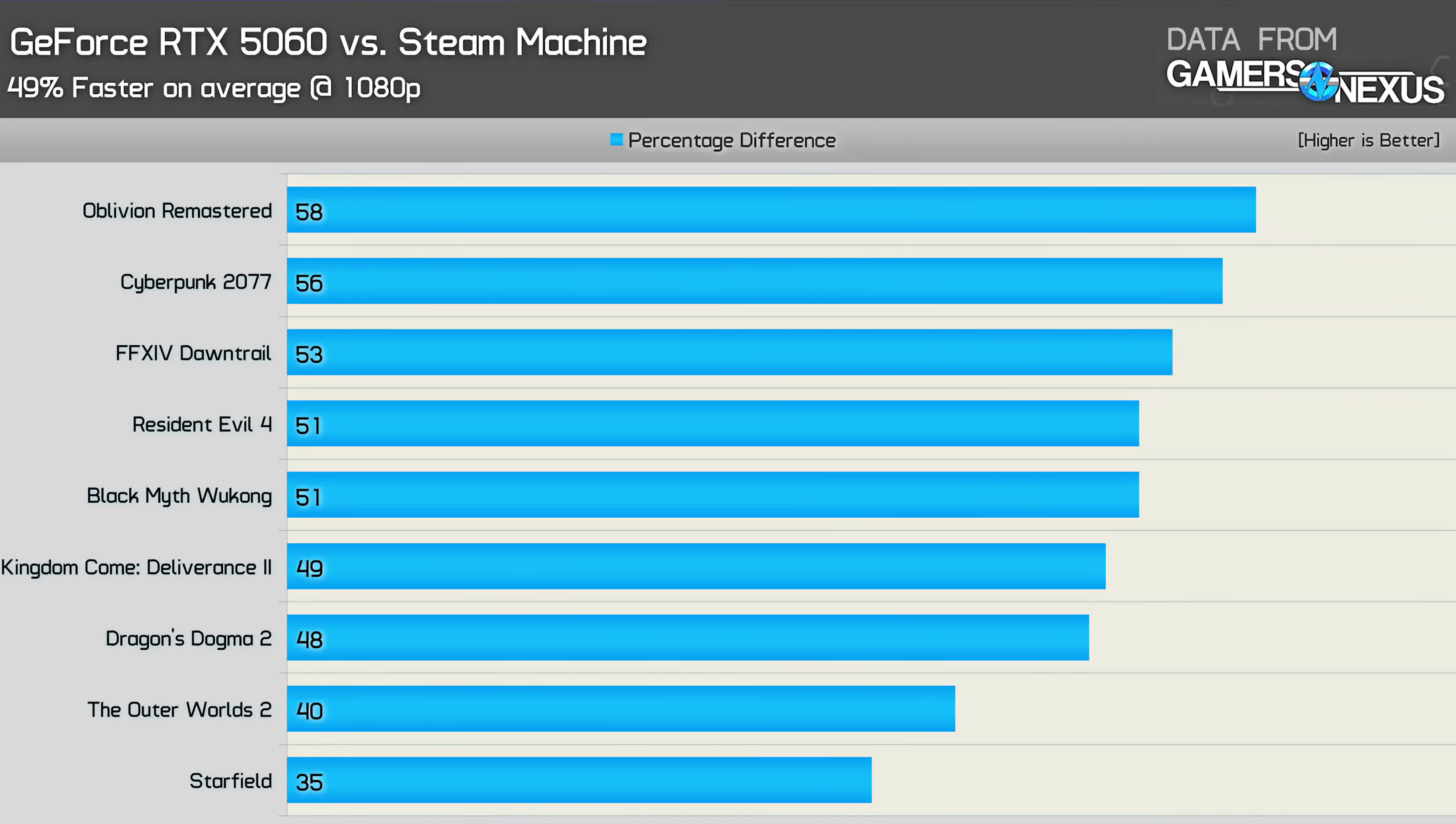
The surprise here is why Valve waited until after the Steam Machine was released before altering the 4K/60fps claim into something more honest. Surely it knew this would attract a lot of heat, especially with so much attention on the Linux PC often being outperformed by the aging PS5.
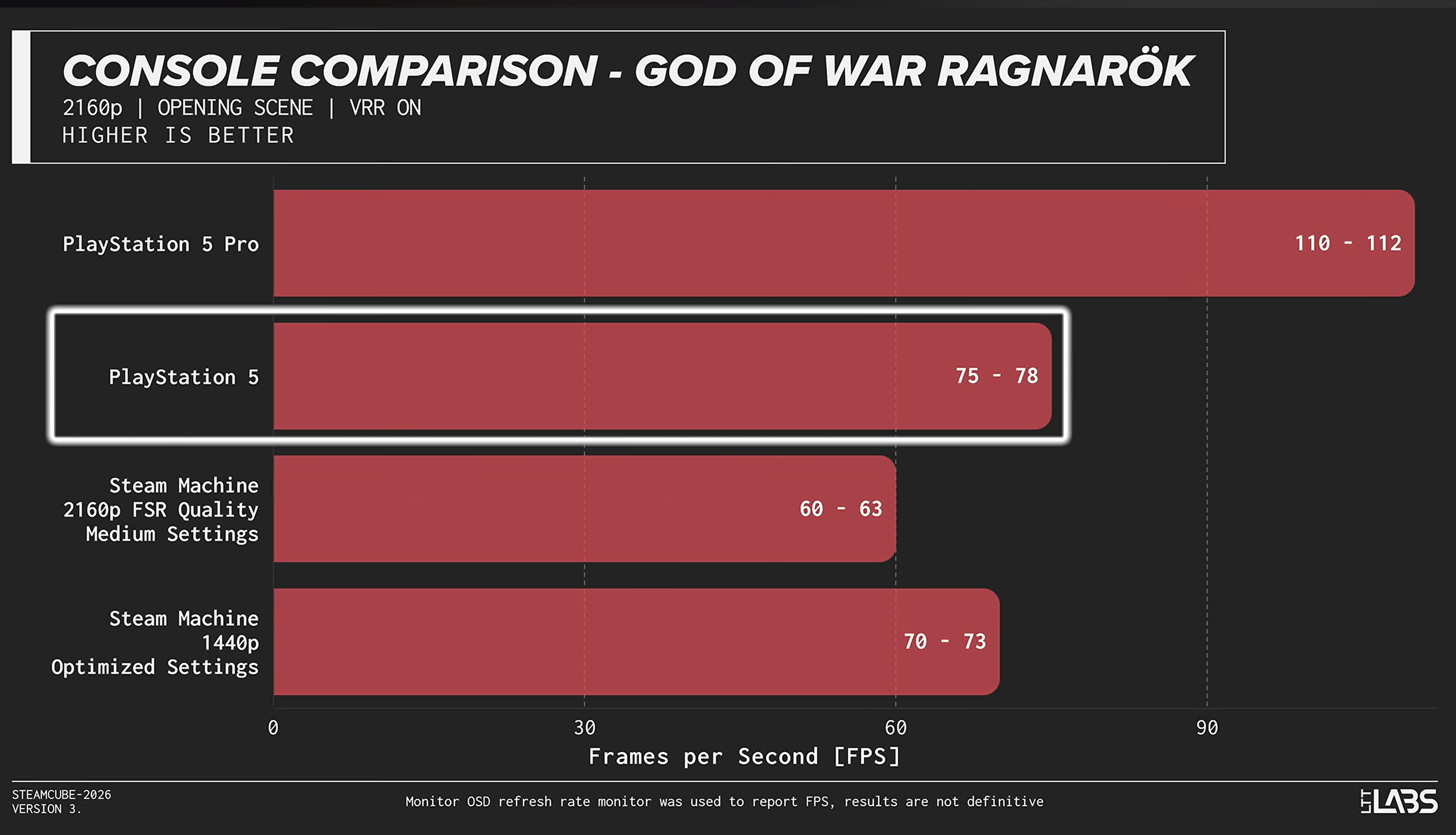
In Valve's defense, it's far from the first company to slap these sorts of big claims on products. From the moment it launched in 2020, the PlayStation 5 box proudly displayed an 8K badge, but the only game on the console that renders internally at native 8K/60 is the Minecraft-style title The Touryst. Moreover, the standard PS5 outputs it as downsampled 4K because the base PS5 never enabled 8K output. Sony removed the 8K logo from PS5 boxes in June 2024.
The Steam Machine starts at $1,049 for a 512GB model and climbs to $1,349 for the 2TB version. We knew the prices would be high because of the AI-driven memory crisis that is making everything more expensive, but many argue that Valve could and should have kept the machine below four figures – or at least made it more powerful.