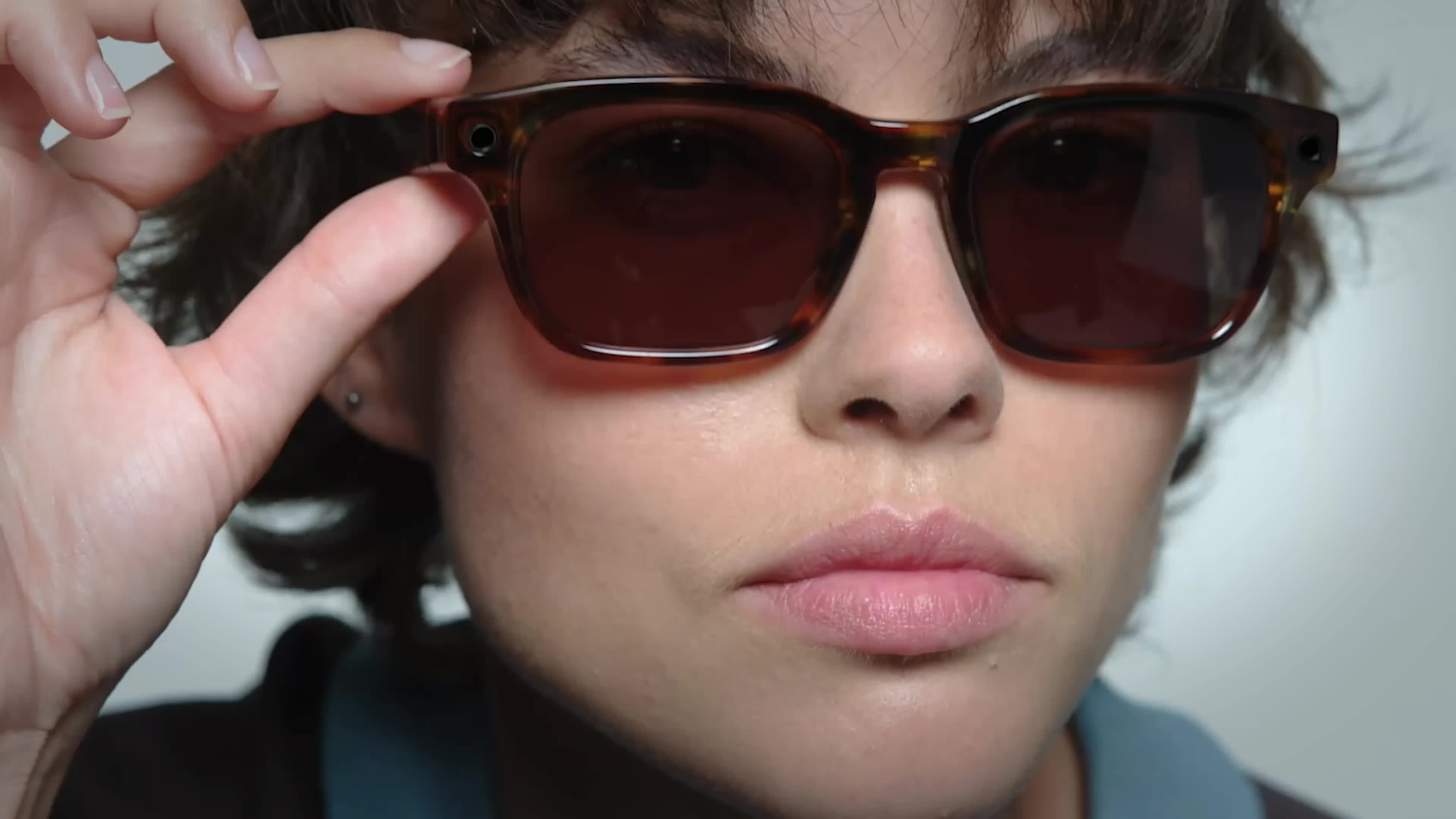
The big picture: Meta continues to push smart glasses as the next major platform for wearable computing and generative AI. After releasing devices under the Ray-Ban and Oakley brands – complete with the recording capabilities that have drawn sustained controversy – the company is now lowering the price barrier with its first self-branded model while debuting a new in-house AI assistant.
Orders are now open for Meta Glasses, a new lineup launched in partnership with EssilorLuxottica and sold under Meta's own name for the first time. The AI-powered wearables carry over the core features from the earlier Ray-Ban and Oakley models but start at $299, undercutting the entry-level Ray-Ban Meta by $80.
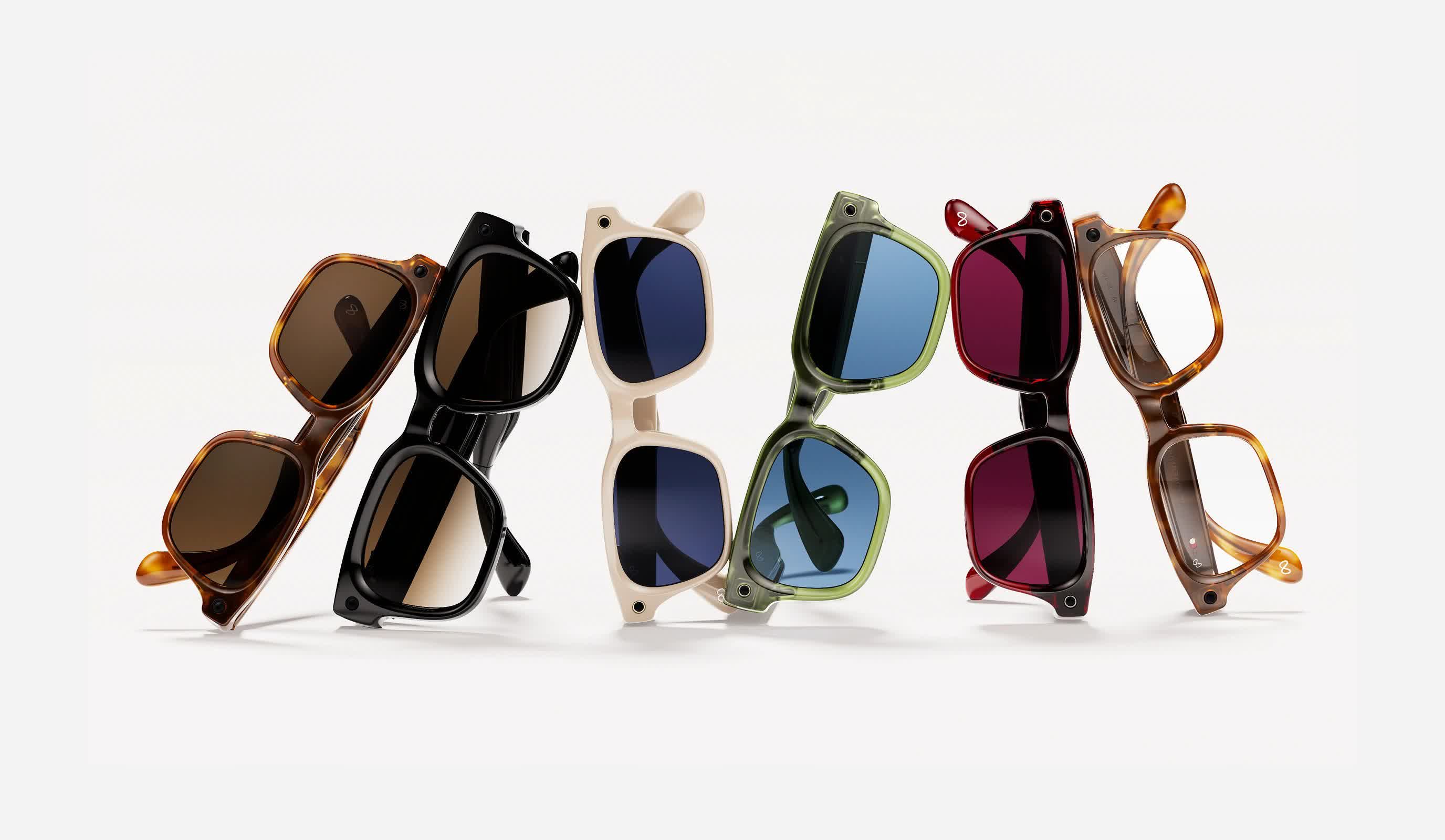
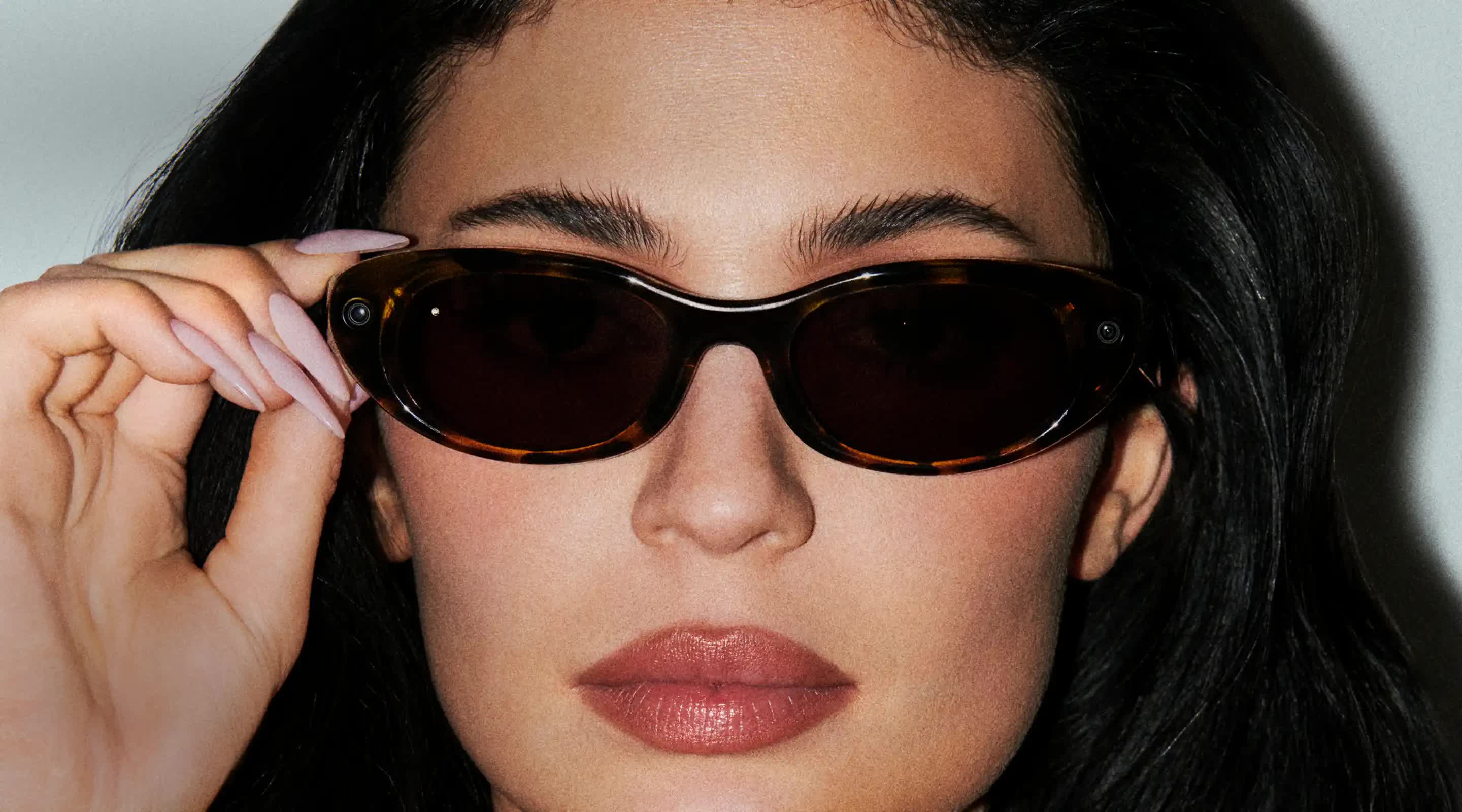
Three form factors are available across 26 size and color combinations: the standard rectangular Meta Adventurer, the bolder square-framed Fury, and the slim oval Meta Glasses by Kylie, designed in collaboration with Kylie Jenner.
Like Meta's Ray-Ban and Oakley glasses, all three include a dedicated button to summon an AI assistant, open-ear speakers, a microphone, and over eight hours of battery life.

The new models are also the first to ship with Meta's new AI assistant, Muse Spark, preinstalled. The multimodal assistant is now also rolling out to existing Ray-Ban Meta and Oakley Meta glasses in the US and Canada.
It can answer questions, interpret what the glasses' camera sees, and can coordinate multiple AI agents in parallel to help with scheduling and planning. A companion app brings Muse Spark to smartphones as well, putting it in more direct competition with Grok, GPT, and Gemini.
Meta's AI suite is also expanding in the coming weeks. A new dynamic photo mode automatically captures multiple frames and recommends the best shot, while still letting users pick their favorite.
Display-free glasses will soon gain turn-by-turn pedestrian navigation, and live translation is adding 14 more languages, including Japanese, Mandarin, Hindi, and Korean, bringing the total to 20.
Smart glasses remain a growing but controversial evolution of wearable tech. Privacy concerns dogged Google Glass almost immediately after its 2013 launch, and those concerns haven't faded. People have since been caught using camera-equipped glasses to cheat in classrooms and courtrooms, and many users do not realize that testers were forced to watch some of their most intimate moments.
Still, the market's opportunity is hard to ignore. Apple is reportedly testing four frame designs for a displayless smart glasses product after the Vision Pro's mixed reception (and very poor sales), with a potential reveal as early as late 2026 and a commercial launch targeting 2027.