What we know so far: The National Highway Traffic Safety Administration has opened a probe into a Tesla crash in Katy, Texas, where a Model 3 slammed into a home on June 19. According to sheriff's officials, the Tesla Model 3 veered off the road at a high rate of speed, crossed a yard and driveway, and crashed into a brick home, killing a woman inside.
According to the Harris County Sheriff's Office, the driver told deputies he was using an automated driving assistance system at the time of the crash. Inside the home was Martha Avila, who later died from injuries sustained in the collision.
Video captured by a home security camera and later shared on social media appears to show the blue Model 3 speeding across a yard and driveway before crashing through the front wall of the house. Investigators have not yet released a detailed account of the events leading up to the collision.
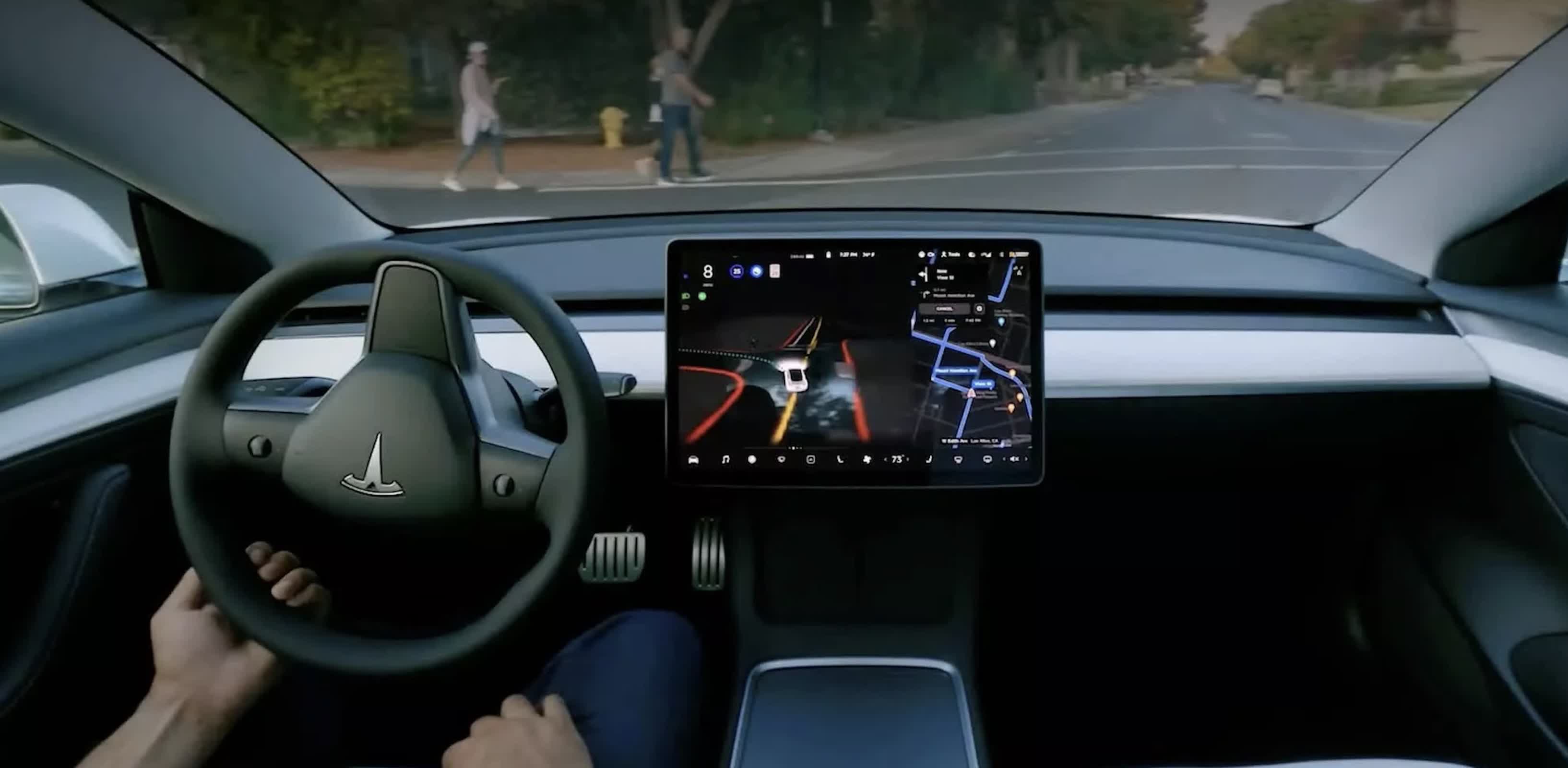
What role, if any, the vehicle's software played remains unclear. Tesla's Full Self-Driving (supervised) system can handle steering, acceleration, braking, and other driving tasks, but it is designed to operate under active human supervision. The company offers the feature as part of a $99-per-month subscription, although authorities have not confirmed whether it was in use at the time of the crash.
There are early indications that driver input may have been a significant factor. In a post on X, Tesla Vice President of AI and Software Ashok Elluswamy said the driver pressed the accelerator pedal and continued doing so even after the vehicle crashed. However, that claim has not been independently verified by investigators. The detail underscores the challenge of determining how much responsibility rests with the driver versus the vehicle's automated systems.
– Ashok Elluswamy (@aelluswamy) June 22, 2026
The NHTSA's special crash investigations unit, which examines incidents involving unusual circumstances or potentially significant safety issues, handles more than 100 cases each year. This latest probe adds to a growing list of investigations involving Tesla vehicles and advanced driver-assistance technologies.
The agency is also conducting a broader defect investigation into Tesla's system. The review is examining how the technology performs in real-world conditions and whether it complies with federal safety standards. Such investigations can ultimately lead to recalls if regulators identify systemic problems.
Tesla has been the subject of more than 40 NHTSA special crash investigations in recent years involving the suspected use of driver-assistance systems. Federal rules require automakers to report fatal crashes involving these technologies to the agency.
Locally, the investigation is still unfolding. "This remains an active and open investigation," a spokeswoman for the sheriff's office said. She added that once all evidence has been gathered, the sheriff's office will present it to the local district attorney's office to determine whether charges are appropriate.
Tesla did not respond to a request for comment.
The crash highlights the challenges of determining responsibility when semi-automated driving systems are involved. Tesla's technology still requires drivers to remain attentive and ready to take control at all times, and incidents like this underscore how difficult it can be to distinguish between driver actions and the system's behavior.