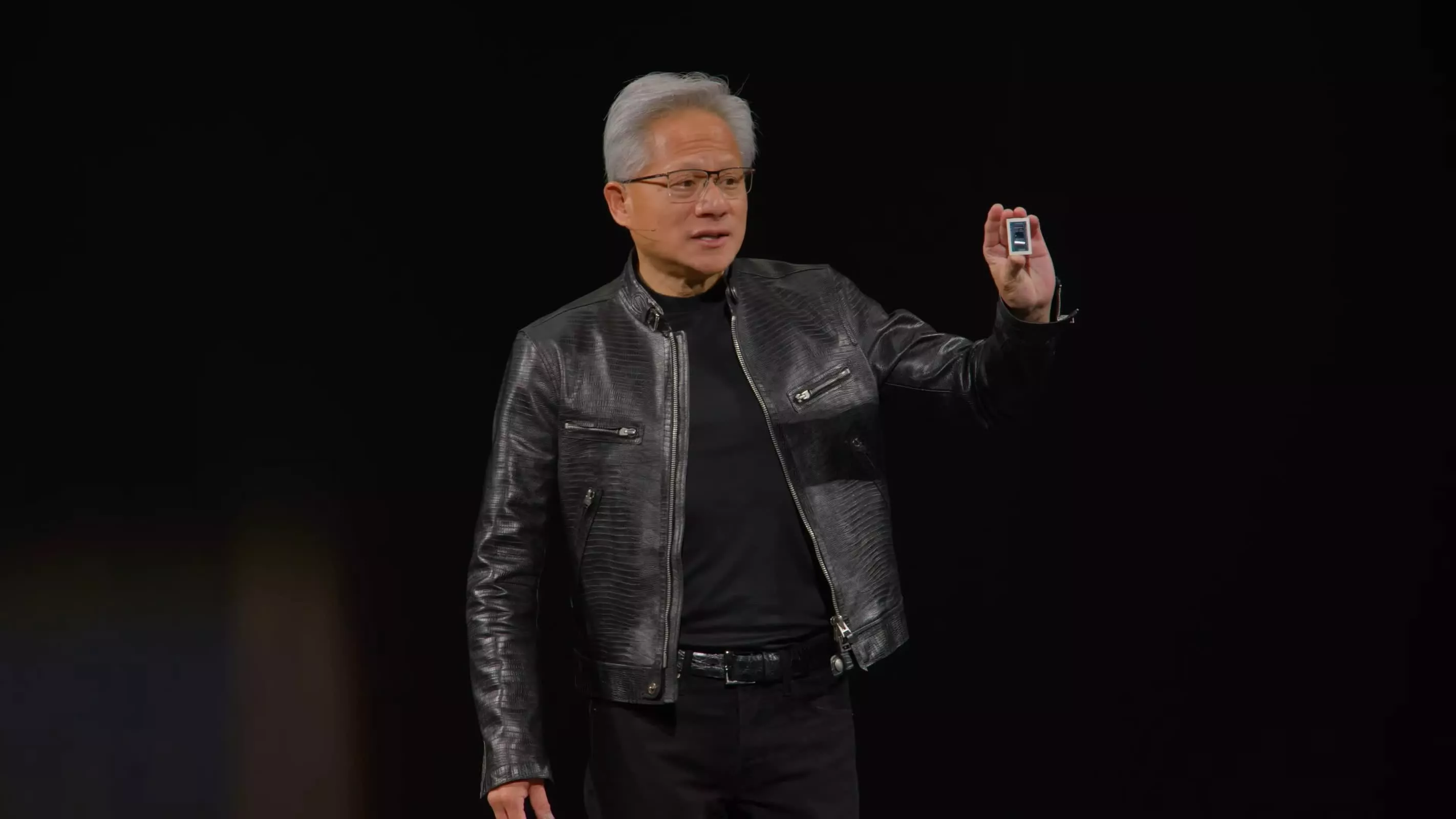
Winners & losers: Nvidia's latest move into AI-focused PCs sets up a more direct clash with AMD and underscores the growing importance chipmakers are placing on local AI performance. With the debut of RTX Spark at Computex 2026, Nvidia is betting that tightly integrated systems – pairing Arm CPUs, Blackwell GPUs, and large pools of unified memory – will define the next generation of high-end client devices.
AMD, which has already been moving in that direction with its Strix Halo chips, does not appear rattled. If anything, the company's executives are portraying Nvidia's arrival as long overdue.
"I'm really excited that Nvidia has joined the game. You know, we were the only game in town for almost two years now, and the large local memory is becoming super critical in the agentic AI [workloads]," said Rahul Tikoo, senior vice president and general manager of AMD's client business. "I'm actually happy to see Nvidia join the race for these great products."
At the center of the competition is a new class of systems: machines designed to run increasingly complex AI workloads locally, with a much greater emphasis on memory capacity than traditional PCs. Nvidia's RTX Spark scales up to 128GB of unified memory, a figure AMD says it already matches with Strix Halo.
Tikoo pointed to those overlaps when comparing the two approaches. "I'm actually curious about what [Nvidia has] done, but when I look at their specs, their specs are 128 gigs of local memory. We've done it on Strix Halo. Their specs are a 20-core CPU. We have a 16-core / 32-thread CPU in here," he said. "So, if you just compare the specs, I don't see… now, Gorgon Halo, which is coming out in Q3, is going to be a better product."
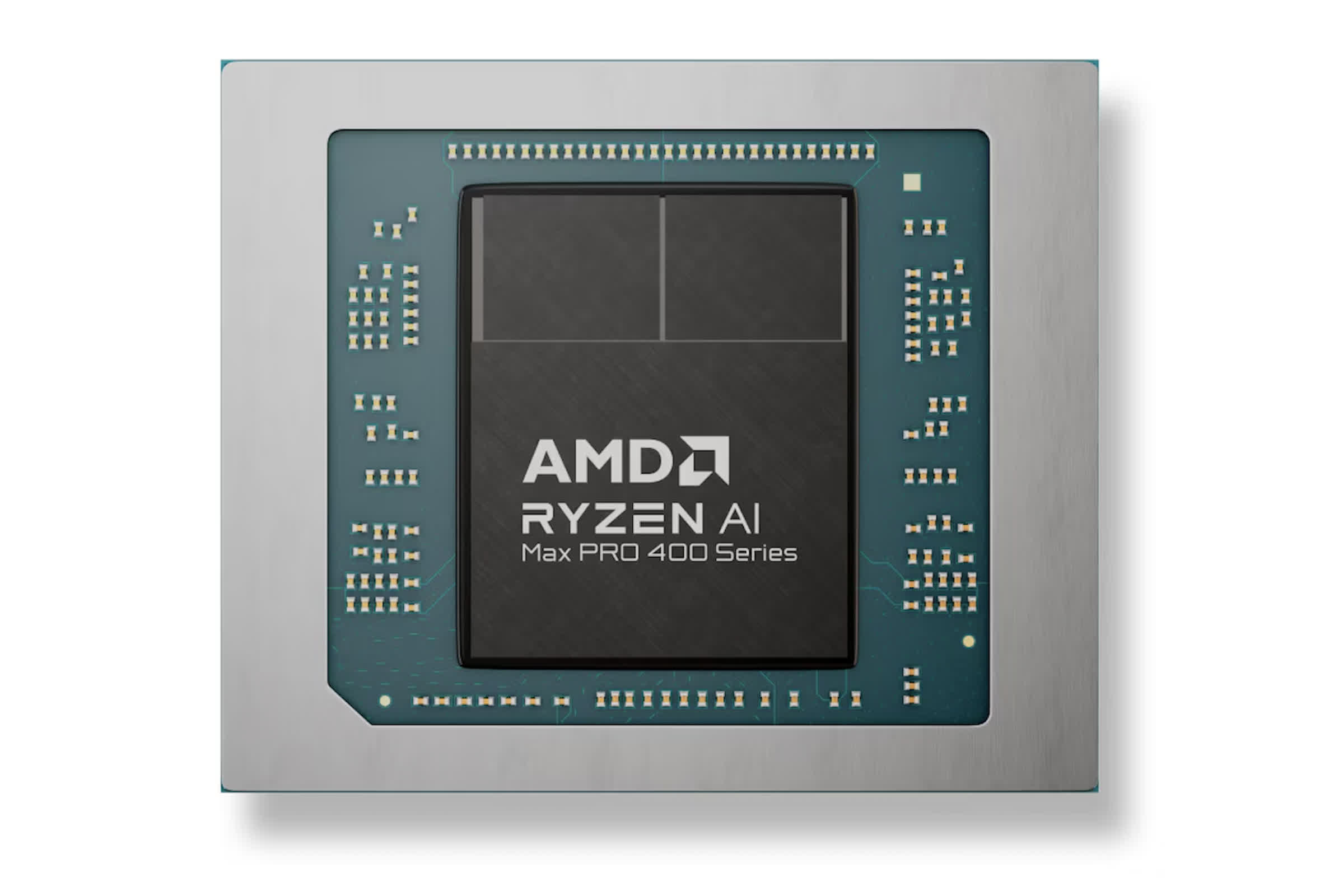
That next chip, Gorgon Halo, is expected to push memory even further, supporting up to 192GB of unified memory while retaining Zen 5 CPU cores and RDNA 3.5 graphics. For developers working with large language models or demanding agentic AI workloads, that additional headroom could prove valuable. Even so, raw specifications are only part of the equation, especially in a market where software ecosystems tend to lock users in.
That is where Nvidia has long held an advantage with CUDA, though AMD argues that the gap has narrowed. "If you asked me the same question like three years ago, I would be, yeah, that really matters. I think that matters less at this point," AMD chief software officer Andrej Zdravkovic told Tom's Hardware.
"Nvidia has created a phenomenal ecosystem around CUDA, and our advantage is that ROCm is, from a developer point of view, extremely easy to use… the shift from one to another is easy, and the only challenge is if your application ends up using some of the specific commands that Nvidia has and we don't, and the other way around."
Zdravkovic was less measured when discussing hardware choices for developers, adding, "At this point in time… I mean, you're just wrong if you don't get a Strix Halo notebook." The comment shows how aggressively AMD is trying to position its platform with developers, even as Nvidia expands its reach into the same space.
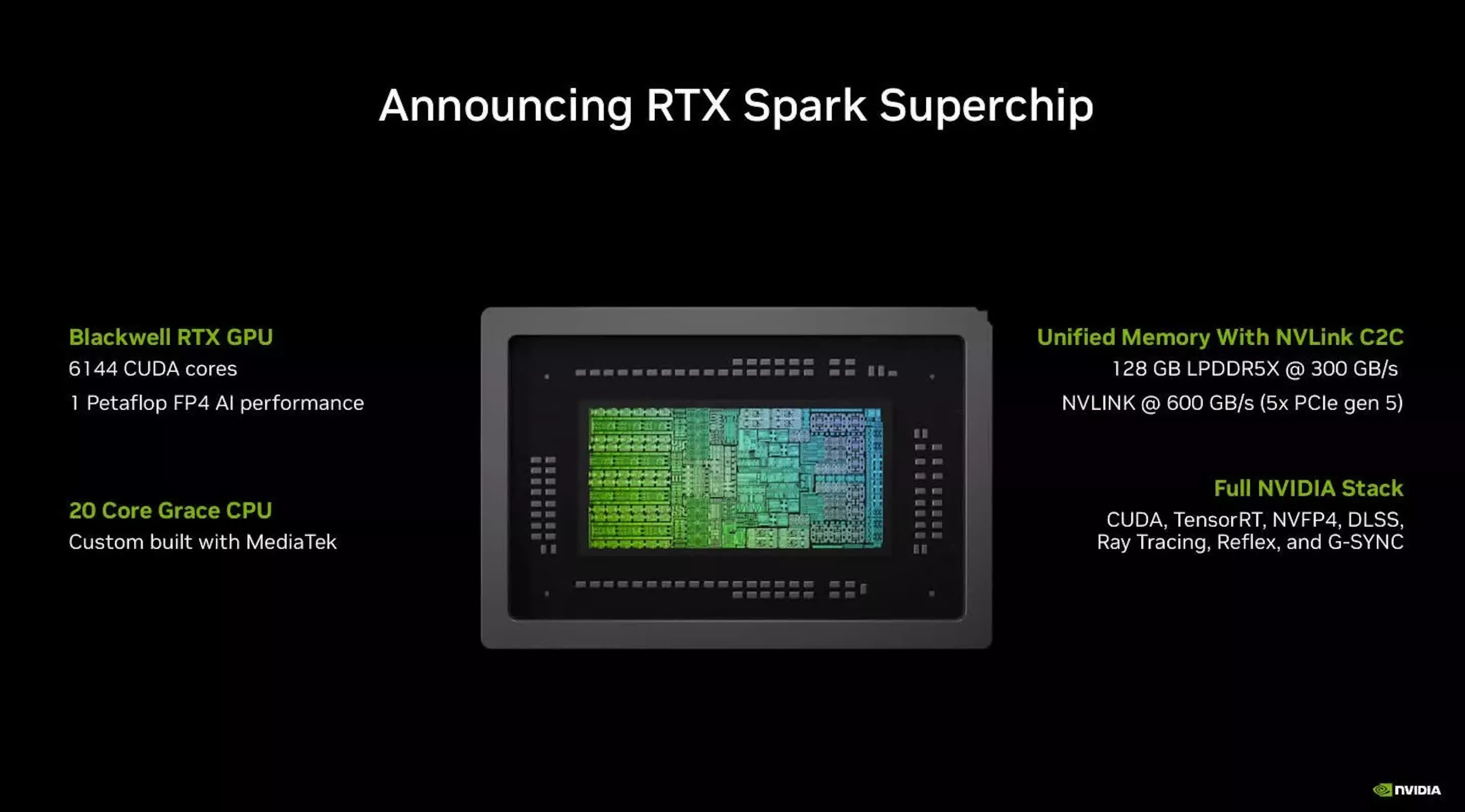
There's also a broader industry angle to Nvidia's move. Rather than simply dividing the market, the company's entry could help expand it. Tikoo suggested that having both AMD and Nvidia pursuing similar ideas could accelerate adoption across the industry. He said Nvidia's arrival helps legitimize the category and should speed its development, adding that competition between the two companies will build momentum not only in cloud infrastructure but also in bringing AI capabilities more fully to Windows PCs.
For now, however, these systems are likely to remain niche. Early RTX Spark configurations are expected to top out at 128GB of unified memory and carry price tags in the several-thousand-dollar range, putting them squarely in the hands of developers and advanced users. Lower-end configurations are planned, but they are unlikely to define the initial rollout.
Timing could make the competition more immediate. AMD says Gorgon Halo will arrive in the third quarter, while Nvidia is targeting a fall launch for RTX Spark. As those systems reach the market, the real test will be not just their hardware capabilities, but how effectively each company can translate that power into developer-friendly platforms for running AI workloads locally.