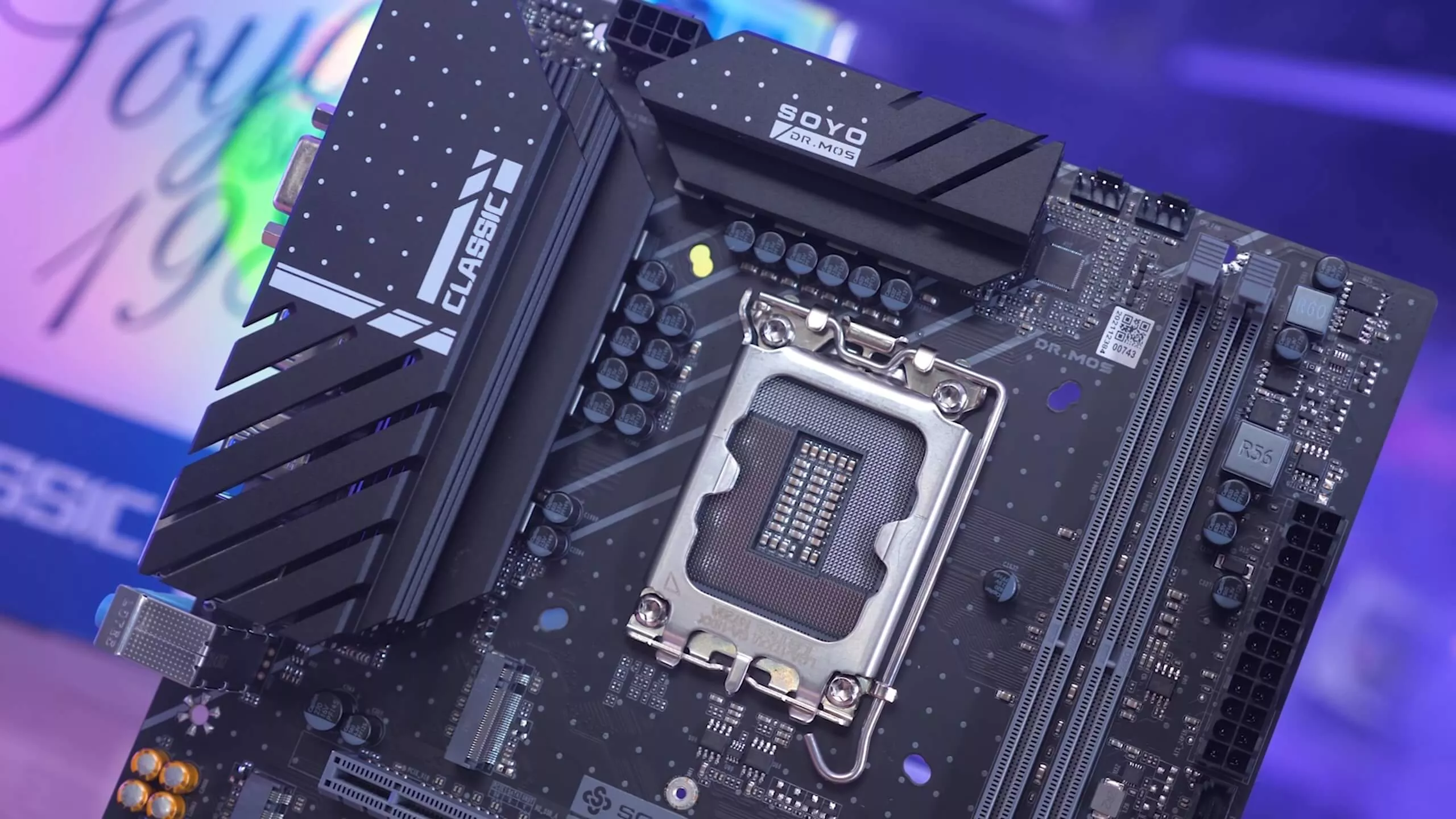
What we know so far: Intel's habit of pairing each new CPU generation with a new socket has long been a sore point for PC builders, but rumors suggest the company is finally preparing to follow AMD's lead. Extending LGA 1954 support across at least three processor generations would meaningfully lower the cost of future Intel upgrades.
Prominent leaker Jaykihn has claimed that Intel's upcoming LGA 1954 socket will support not only Nova Lake processors, but also Razor Lake – its direct successor – and possibly the generation after that as well. The claim reinforces an earlier report from another leaker and aligns with vague public comments from Intel itself.
According to Jaykihn, LGA 1954-compatible motherboards will need a 64MB BIOS flash chip to enable support beyond Razor Lake. Intel recommends but does not require B960 boards for the new socket; Z-series boards such as the Z970 will also be supported.
– Jaykihn (@jaykihn0) June 2, 2026
Similar claims have been made before. Earlier this March, Intel VP and general manager Robert Hallock said he envisioned future sockets supporting more than one CPU generation, without elaborating further.
Intel sockets have traditionally served only one or two CPU generations. The current LGA 1851, for instance, supports Arrow Lake and a handful of Meteor Lake variants released in 2024 and 2025. Intel is expected to move to LGA 1954 when Nova Lake arrives later this year, once again requiring PC builders who upgrade to buy new motherboards – this time with Z990, Z970, W980, Q970, or B960 chipsets.
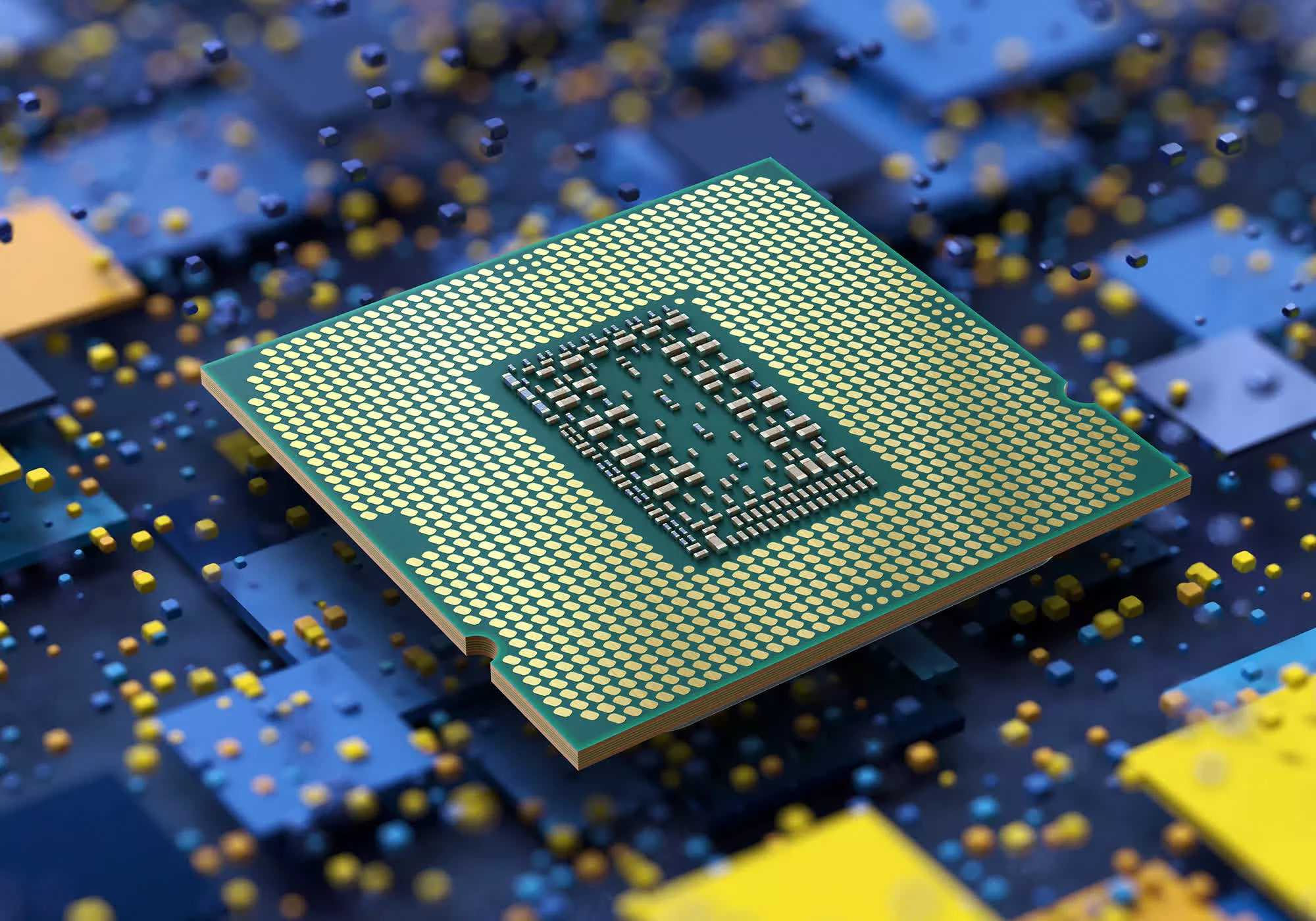
Carrying LGA 1954 forward to Razor Lake and subsequent generations, with launches expected in 2027 and beyond, would let users drop in a new CPU without replacing their motherboard or cooler.
The last Intel socket to offer that kind of longevity was LGA 775, which over seven years supported Pentium 4, Pentium D, Pentium Dual-Core, Celeron, Celeron D, Core 2 Duo, Core 2 Quad, and Core 2 Extreme.
AMD, meanwhile, has supported its current AM5 socket since 2022 with Zen 4 processors and has now committed to keeping it alive through 2029, presumably with Zen 6 or a later generation. As rising RAM costs make switching platforms prohibitively expensive, the company also recently announced an Anniversary Edition revival of the Ryzen 7 5800X3D for AM4 owners, set to launch June 25.
The latest reports on Intel Nova Lake suggest it will offer up to 52 cores and 288MB of L3 cache when it arrives later this year. Razor Lake is expected to follow in late 2027, with Titan Lake and Moon Lake – both targeting mobile and low-power segments – slated for 2028.