
Bottom line: Apple doesn't typically compete on price when it comes to laptops, but the MacBook Neo suggests that may be starting to change. Early sales data show the lower-cost model is attracting new users and giving Cupertino a foothold in a part of the market it has long avoided.
Apple shipped about 1.1 million MacBook Neo units in the March quarter, according to IDC figures. That number would be strong on its own, but the timing makes it stand out. The Neo only went on sale in mid-March, leaving it roughly three weeks of availability in the quarter. Even so, it outpaced the early performance of Apple's latest MacBook Air (M5) and MacBook Pro (M5), which recorded over 900,000 and 550,000 units, respectively, in their debut quarters.
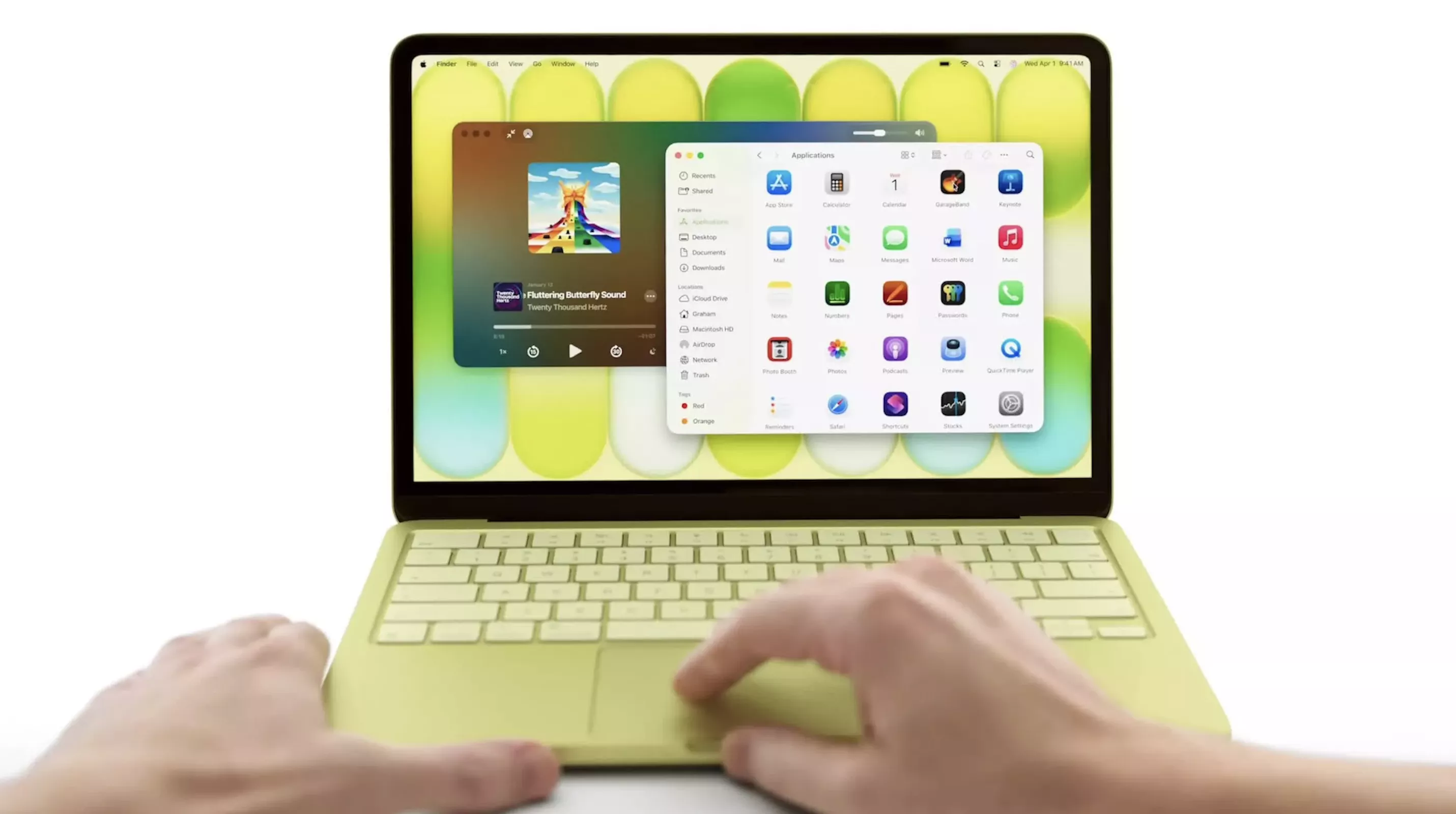
The Neo is not just a cheaper Mac – it represents a different approach to building one. Apple kept the familiar industrial design, including an aluminum body and a 13-inch Liquid Retina display, but made deliberate trade-offs under the hood.
Instead of an M-series processor, the device runs on an A18 Pro chip, typically used in iPhones, and starts with 8GB of memory. The result is a machine that looks like a MacBook but is architected closer to Apple's mobile devices.
By leaning on its mobile silicon, Apple is effectively lowering costs while extending its vertically integrated hardware strategy into a new pricing tier. The $599 starting price – about 45% below the entry-level MacBook Air – puts the Neo in direct competition with midrange Windows laptops.
So far, the market response suggests there was pent-up demand for exactly this kind of device. IDC's Navkendar Singh said shipments began climbing in early April and have already exceeded expectations in several regions. The US made up 44% of total shipments.
"Rising prices of Windows notebooks and attractive pricing of the Neo have led to its very high demand," Singh told TechCrunch.
Apple executives are framing the Neo as more than a volume play. On the company's April earnings call, CEO Tim Cook said customer response had been "off the charts" and acknowledged that supply constraints followed the launch. He also noted that Apple set a record for new Mac users during the quarter, with the Neo playing a role in bringing first-time buyers into the ecosystem.
That aligns with what other analysts are seeing. Counterpoint Research believes the Neo could help Apple make inroads into the $400 to $699 laptop segment, where its share has historically been minimal. Associate director David Naranjo estimates that the share could climb from around 2% to as much as 15% if the device continues to gain traction.
"Although it is still early, the MacBook Neo launch stands out as one of Apple's most strategically important recent Mac releases, especially as the wider PC market deals with rising memory costs and 'shrinkflation,' while Apple is expanding its reach," Naranjo said.
For now, supply constraints remain a factor, but IDC expects a "very big spike" in shipments this quarter as availability improves. If that happens, the MacBook Neo may end up doing more than boosting unit sales. It could redefine how Apple positions the Mac – and how it uses its chip ecosystem to reach a broader audience.