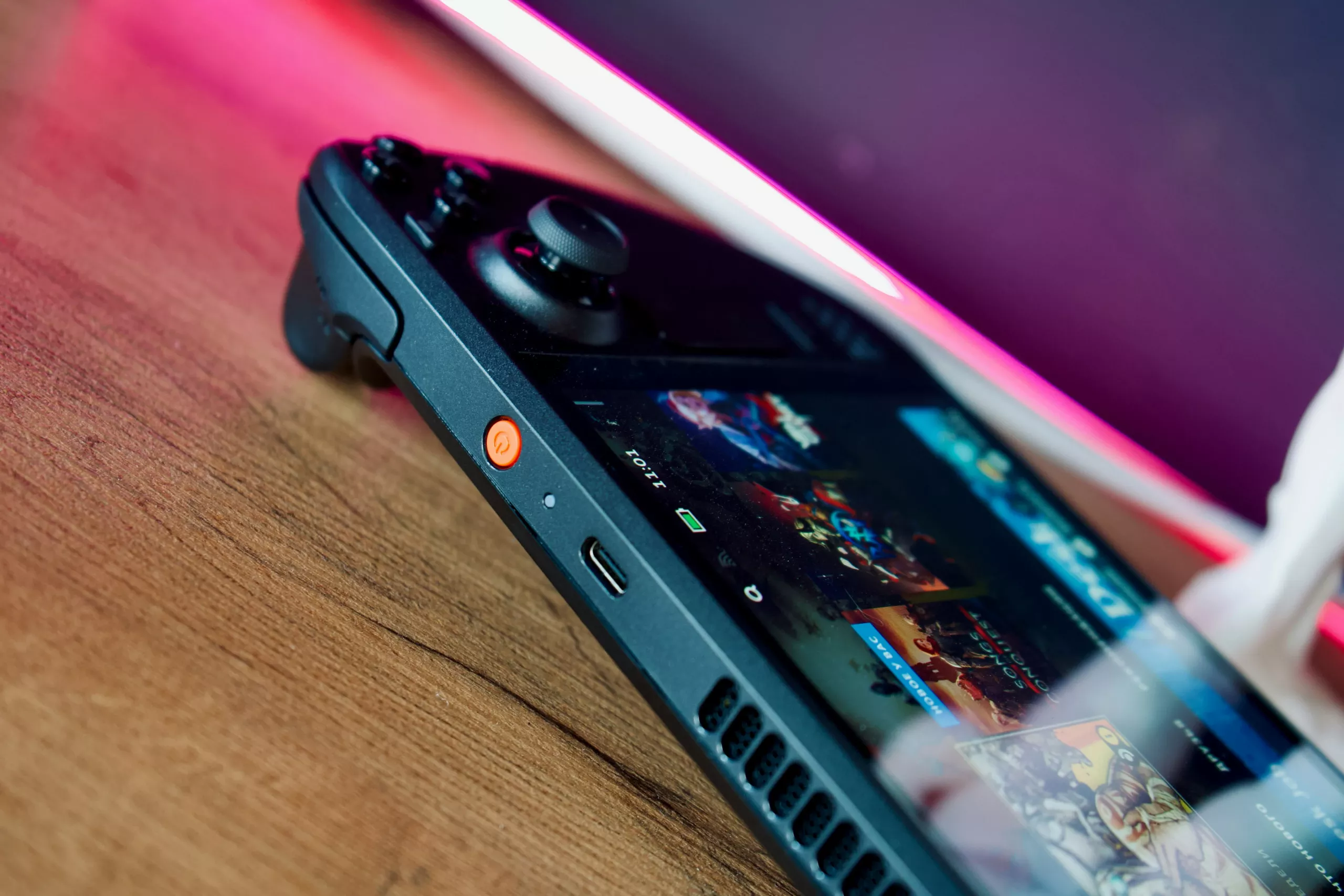
Ripple effect: When AI-driven component shortages pulled the Steam Deck from store shelves earlier this year, many braced for a painful price correction upon its return. That moment has arrived. Valve has reopened orders for the Steam Deck OLED after weeks of unavailability, but both models now carry price tags more than 40% higher than before.
The Steam Deck OLED 512GB variant has risen from $549 to $789, while the 1TB model has climbed from $649 to $949. The entry-level LCD Steam Deck, which had anchored the lineup at $399, has been discontinued entirely. Competitive pricing was one of the Steam Deck's most unexpected strengths when it launched in 2022. The strategy helped popularize handheld gaming PCs.
Though total sales have remained in the low millions, the platform's influence pushed developers to meaningfully improve optimization on lower-end hardware. SteamOS has also advanced Windows-to-Linux compatibility to the point where Linux has become a credible gaming alternative for a growing share of PC users.

Valve is now hoping to extend that momentum with the Steam Machine, a more conventional pre-built desktop designed to bring SteamOS into living room setups. However, the timing is difficult. The AI boom has accelerated data center construction, and the supply of memory and other required components has tightened dramatically. Since last September, NAND contract prices have skyrocketed by 600%, while DRAM is up 400%.
The Steam Deck first went out of stock earlier this year as shortages took hold, and the Steam Machine, originally targeted for an early 2026 release, has continued to slip.
Recent datamining suggests a launch may nonetheless be close. Given that the device isn't positioned around cutting-edge specs, its price point was always going to be the deciding factor – and that number keeps rising as the memory crisis deepens. Analysts currently expect supply constraints to persist at least through 2027.

The Steam Deck's predicament is hardly unique. Other PC form factors and electronics are suffering similar price hikes. AMD warned that its gaming revenue could fall by 20% in 2026, while analysts expect smartphone shipments to experience their worst-ever decline this year.
DRAM and NAND chips manufactured in China might offer some relief, but the impact could be limited.