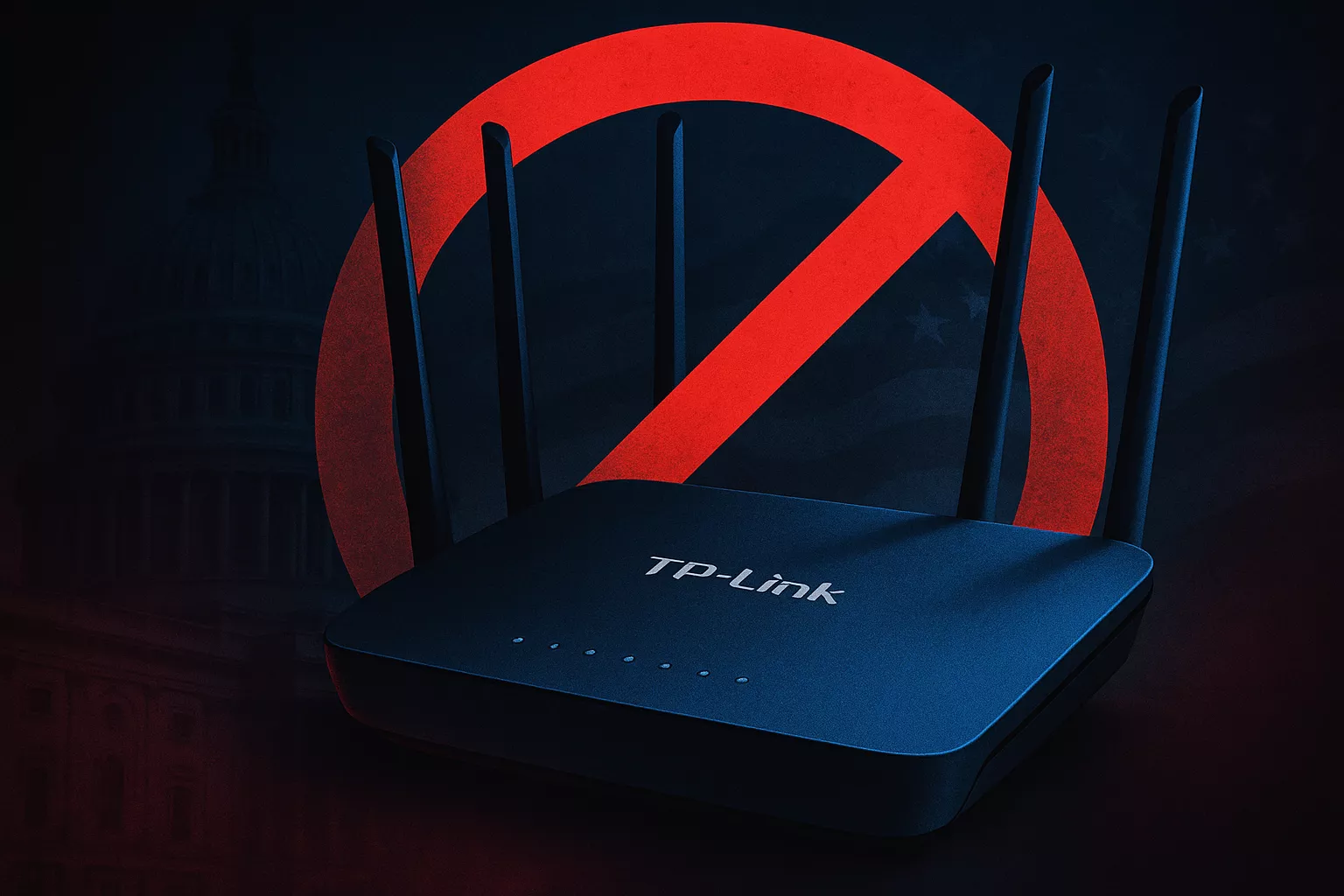
A hot potato: While the FCC's ban on foreign-made routers is controversial, the part that's proving most worrying for US consumers is the block on software and firmware updates for routers already authorized for use in the US. Now, the Consumer Technology Association (CTA), the organization that owns and produces CES, has urged the FCC to rethink this section of the ban.
According to a filing, CTA representatives met with the FCC last week to discuss the foreign router ban.
The CTA said it supports the Trump administration's goal of protecting US networks from equipment and services deemed to pose an unacceptable threat to national security. However, it argues that preventing updates to devices already sitting in homes and offices would do the opposite by leaving them exposed to future flaws.
The FCC has issued a temporary waiver that allows already-authorized foreign-made routers to keep receiving software and firmware updates, including security patches and compatibility fixes, until at least March 1, 2027. CTA wants the agency to remove that cutoff or, at minimum, extend it.
The group told the FCC that updates are often the most effective way to address the same security concerns behind the ban. Cutting them off could create millions of unsupported routers that continue to work, remain connected to the internet, and become increasingly tempting targets for botnets and state-backed hackers.

The FCC said in March that it would add routers produced in foreign countries to its Covered List. The move blocks new overseas-made consumer routers from receiving FCC authorization unless they gain conditional approval from the Department of War or the Department of Homeland Security.
Some firms have already secured exemptions. Netgear was the first, covering Nighthawk and Orbi routers, cable gateways, and cable modems through October 1, 2027. Adtran's Service Delivery Gateway-class routers were also approved until the same date.
More recently, eero LLC received conditional approval for eero, eero Pro, eero Max, eero PoE, eero Outdoor, eero Signal, and Amazon Leo routers through October 31, 2027.
TP-Link, which holds a huge share of the US consumer router market, is still trying to win its own exemption. The company has repeatedly argued that it is now a US firm headquartered in Irvine, California, despite its Chinese origins.
The FCC has said it will reevaluate the update waiver before it expires. But the CTA says that waiting until then could leave consumers, manufacturers, and retailers facing more uncertainty over hardware that people expect to use for years.