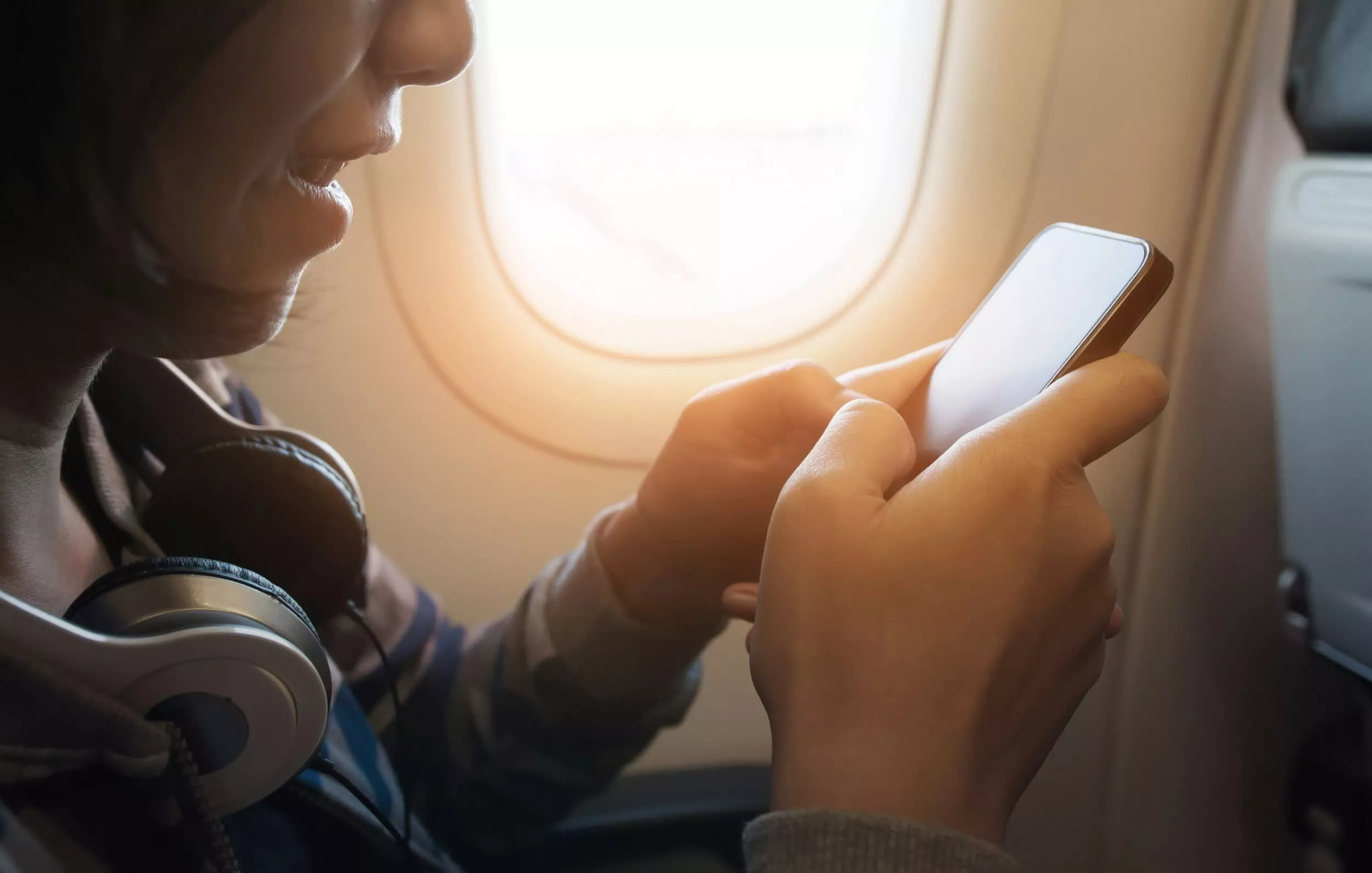
In a nutshell: United Airlines recently updated its Contract of Carriage Document, which outlines the terms and conditions under which the airline provides transportation services. The CCD's section on potential "Refusal of Transport" (Rule 21) now includes a new provision covering passengers who deliberately fail to use headphones while listening to music or other multimedia content.
United can now remove any passenger who refuses to wear headphones while playing audio. The airline also reserves the right to temporarily or permanently ban offending passengers, although refunds may still be issued upon request. According to the CCD, playing audio without headphones constitutes a material breach of contract, alongside other violations such as failing to wear adequate clothing or behaving in an obscene or offensive manner.
United Airlines has long encouraged customers to use headphones, particularly after partnering with Starlink to provide free in-flight Wi-Fi to passengers. Even before the new addition to Rule 21, the airline's Wi-Fi guidelines reminded passengers to use headphones whenever possible.
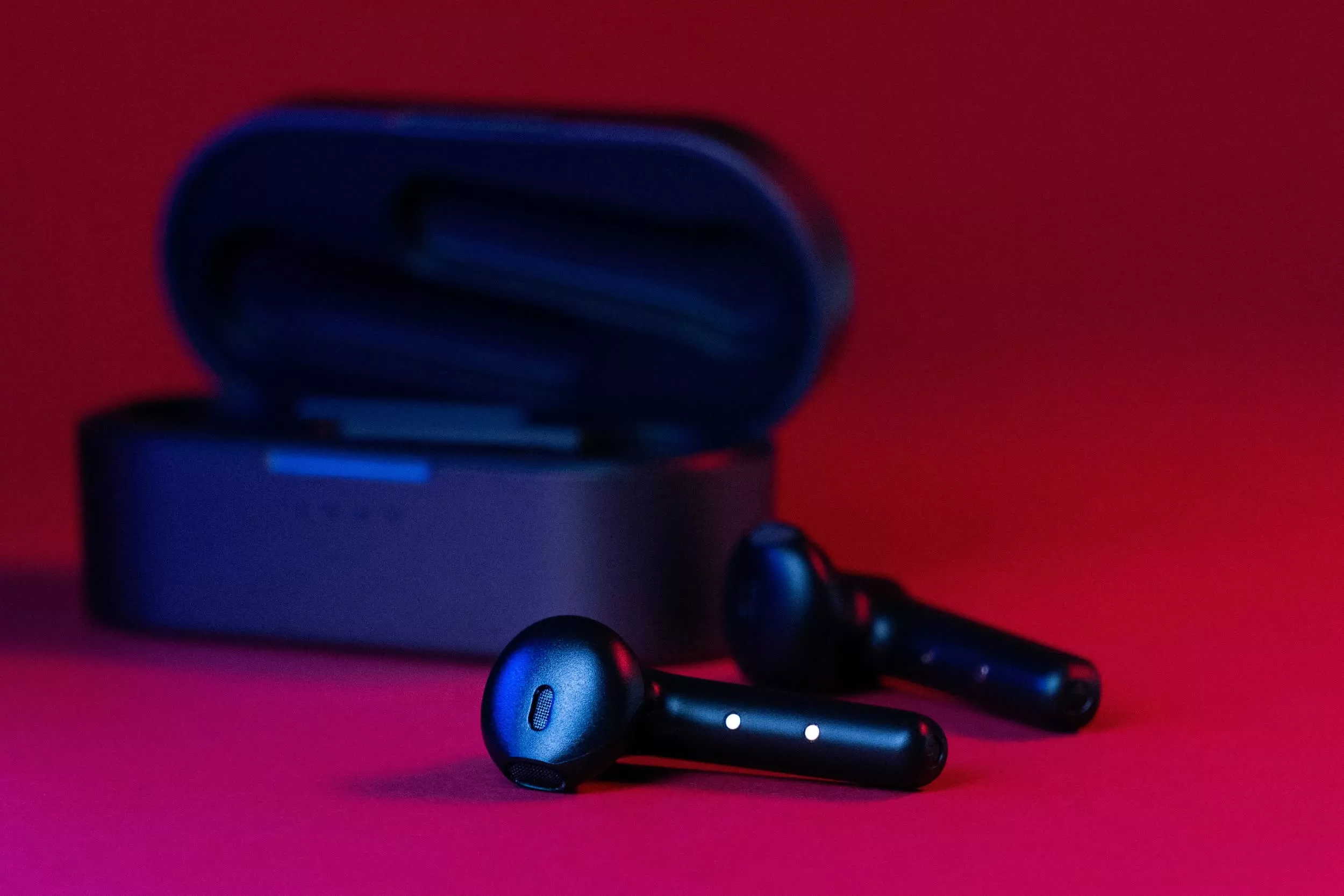
The airline is even offering a free pair of headphones to passengers who forget to bring their own during boarding. According to a recent survey by Savanta, 38% of people regularly encounter loud audio while using transportation services. The London-based research firm also found that more than half of surveyed passengers (54%) would feel uncomfortable asking someone to turn the volume down.
Based on my own experience with public transportation and reactions online, UA's new rule may be a welcome step toward promoting more considerate behavior. Passengers who play audio without headphones in confined spaces can be disruptive, and loud digital toys used by children often make the situation even worse.
According to travel expert Scott Keyes, United Airlines is the first major airline to adopt a rule this strict regarding headphones and loud audio. Most carriers encourage passengers to use headphones, but they typically stop short of enforcing the rule because they do not want to risk denying service to travelers over the issue.