
GPU pricing has taken an uglier turn. In technical terms, things are 'ultra stinky' right now. We published our last GPU pricing update only about six weeks ago, and in the short time since, graphics card prices have risen sharply. We warned this was likely to happen, and unfortunately, those increases have now worked their way through to retail.
But just how badly are gamers getting stung? We're looking beyond retailers in the United States to see how this is playing out on a global scale. Are GPU prices surging everywhere, or are certain regions and models being hit much harder than others? We have plenty of data to dig through, and the picture isn't pretty.
As we've been doing for some time now, we're tracking pricing across 10 countries. Our previous update captured prices just before this latest climb began, giving us a particularly useful, if painful, snapshot of what GPUs cost immediately before the market turned upward.
We're also including data from February. That's important because GPU prices were actually trending slightly downward during the first half of 2026 for some models. July-to-August pricing shows the immediate impact of the latest hikes, while comparisons with February tell us whether cards are simply returning to earlier levels or pushing into new highs.
Before getting into the numbers, it's worth clarifying how we collect this pricing data, because we've seen some confusion in the comments on previous updates. The prices shown here are not averages for a specific GPU. They represent the single lowest price for an available, in-stock model within each region. We use price comparison websites for each country, find the cheapest model, verify that it is actually available to purchase at that price, and then include it in our data.
Often, that means we're looking at base models from any given graphics card maker rather than something like an Asus ROG Strix, Gigabyte Windforce, or PNY OC. If you want a premium model, you'll almost certainly pay more than the prices shown here.
Also keep in mind that these prices were collected several days before this article went live, so individual listings may have changed slightly. At the time of writing, however, these figures represented the minimum amount you would have needed to spend to buy each GPU brand new.
Entry-Level GeForce Pricing Takes a Sharp Turn
GeForce RTX 5050 + RTX 5060
The news isn't great if you're interested in purchasing an entry-level GeForce GPU. The RTX 5050's price remained relatively stable for several months, but has recently increased in most regions, especially India, where gamers are getting absolutely rolled.
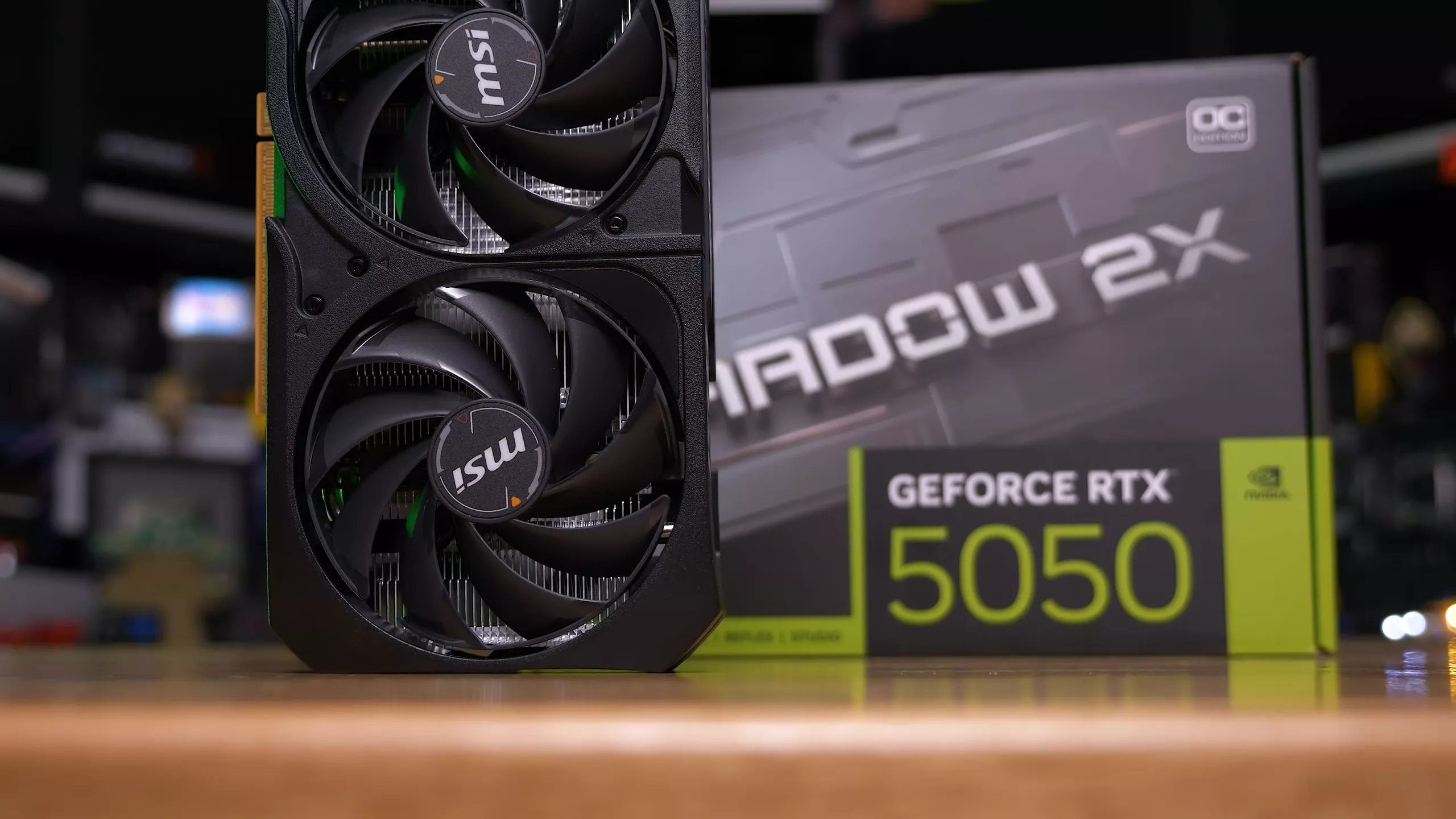
The card is no longer available at MSRP in the US, where you're now looking at spending around $50 more, despite that being one of the regions with the smallest month-over-month increase. Across all 10 regions, the RTX 5050 is now 14% more expensive than it was in July and 19% more expensive than in February.
Nvidia GeForce RTX 5050
| USA | Australia | Germany | UK | Canada | India | Philippines | Brazil | Poland | Netherlands | |
|---|---|---|---|---|---|---|---|---|---|---|
| Feb 2026 | $260 | $365 | 280 € | £230 | $380 | ₹30,700 | ₱16,700 | R$1,660 | 1,150 zł | €270 |
| Jul 2026 | $290 | $360 | 270 € | £240 | $420 | ₹28,800 | ₱19,000 | R$1,900 | 1,135 zł | €285 |
| Aug 2026 | $300 | $430 | 300 € | £270 | $460 | ₹44,000 | ₱19,250 | R$2,000 | 1,350 zł | €305 |
| Change | 3% | 19% | 11% | 13% | 10% | 53% | 1% | 5% | 19% | 7% |
It's even worse for the RTX 5060. This model is supposed to cost $300, but pricing has drastically increased in the US, where the cheapest cards now sit around $450. That's pretty outrageous for an RTX 5060.
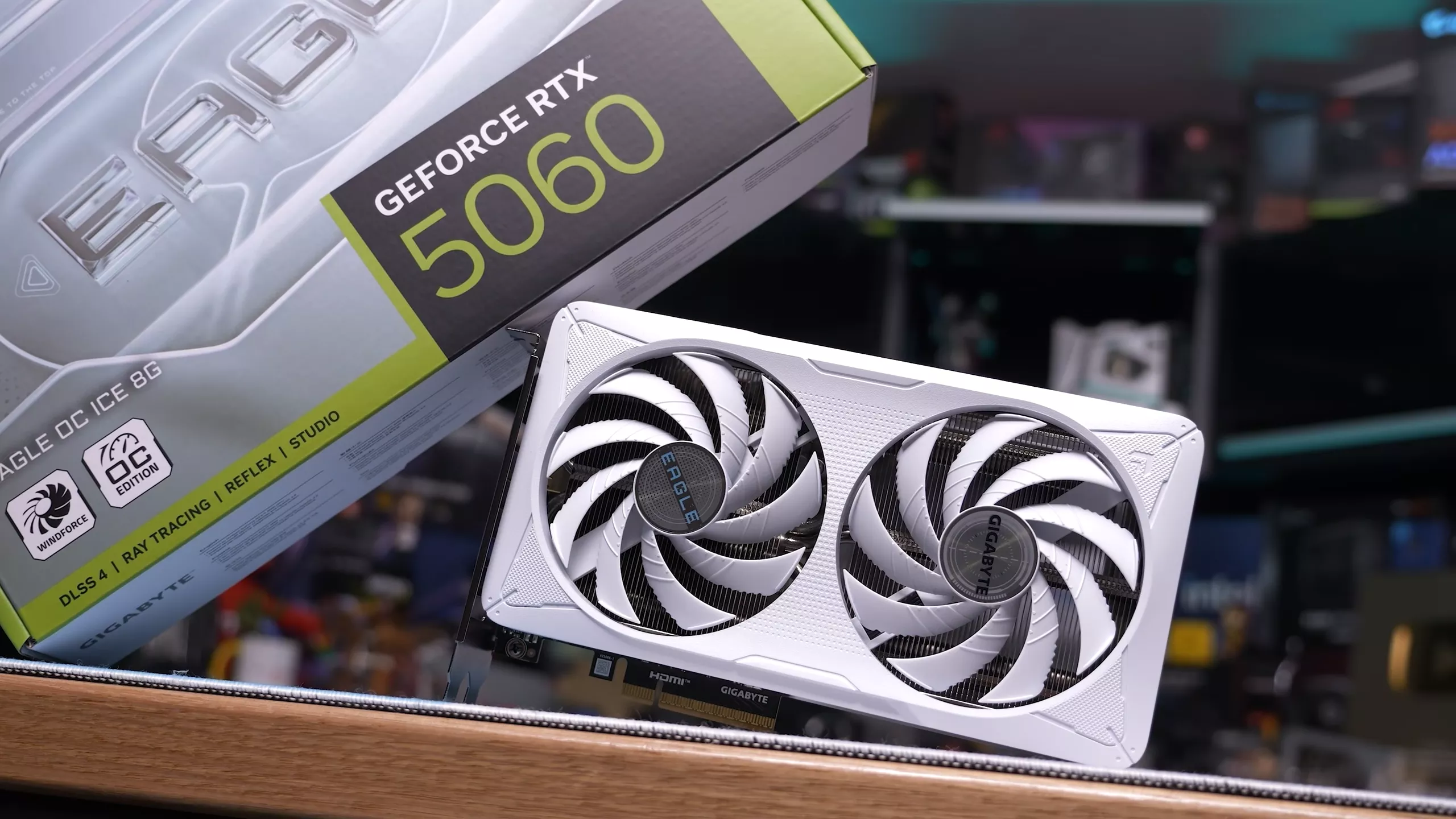
That sort of money should be getting you an RTX 5060 Ti 16GB, and absolutely did late last year, but those days are unfortunately gone. It's not just the US, either. Pricing there has jumped 32% month over month, with similarly large increases in India, Poland, and the Netherlands.
Nvidia GeForce RTX 5060
| USA | Australia | Germany | UK | Canada | India | Philippines | Brazil | Poland | Netherlands | |
|---|---|---|---|---|---|---|---|---|---|---|
| Feb 2026 | $300 | $520 | 310 € | £290 | $450 | ₹38,700 | ₱19,600 | R$2,300 | 1,350 zł | €320 |
| Jul 2026 | $340 | $450 | 305 € | £275 | $450 | ₹33,500 | ₱20,000 | R$2,100 | 1,240 zł | €310 |
| Aug 2026 | $450 | $500 | 370 € | £330 | $520 | ₹48,000 | ₱22,900 | R$2,300 | 1,650 zł | €390 |
| Change | 32% | 11% | 21% | 20% | 16% | 43% | 14% | 10% | 33% | 26% |
Some regions haven't been affected quite as badly. In Australia, for example, the RTX 5060 is 11% more expensive than it was in July, but it's still cheaper than it was in February. That's an outlier, though, and not something we're seeing in many other countries. Overall, the RTX 5060 is now 23% more expensive than it was in July and 18% more expensive than in February.
The RTX 5060 Ti Split Has Become Ridiculous
GeForce RTX 5060 Ti: 8GB + 16GB
It's no surprise to see a similar impact on the RTX 5060 Ti 8GB. This model stuck closest to MSRP for quite some time, but in August it could no longer resist the upward pressure. Prices have jumped massively in regions such as the US, Australia, and India. The card is now sitting around $500 in the US, which is getting dangerously close to RTX 5070 MSRP territory.
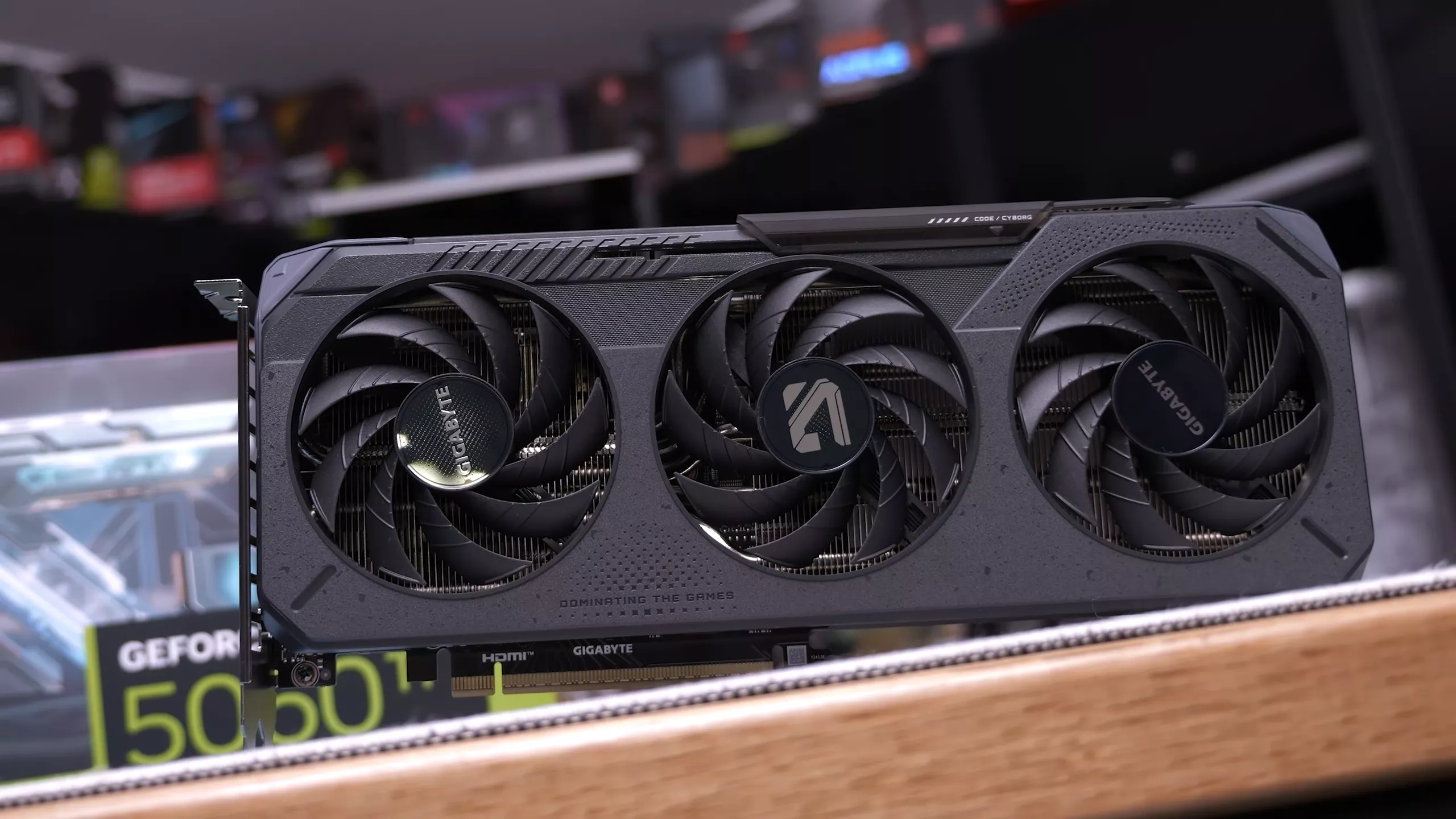
In other countries, including Germany and the UK, prices have risen compared with July but aren't substantially higher than they were in February. That's because the RTX 5060 Ti 8GB is a horrible GPU that simply hasn't been particularly desirable or in demand. During the first half of 2026, it actually fell in price and frequently sold below MSRP.
Recent increases have pushed it back toward normal pricing, or above it. Overall, the 8GB version is now 24% more expensive than it was last month and 13% more expensive than in February.
Nvidia GeForce RTX 5060 Ti 8GB
| USA | Australia | Germany | UK | Canada | India | Philippines | Brazil | Poland | Netherlands | |
|---|---|---|---|---|---|---|---|---|---|---|
| Feb 2026 | $350 | $620 | 400 € | £350 | $570 | ₹39,800 | ₱24,400 | R$2,800 | 1,700 zł | €390 |
| Jul 2026 | $360 | $500 | 340 € | £320 | $500 | ₹38,300 | ₱28,000 | R$2,460 | 1,450 zł | €350 |
| Aug 2026 | $500 | $700 | 415 € | £370 | $610 | ₹52,500 | ₱27,000 | R$2,700 | 1,900 zł | €430 |
| Change | 39% | 40% | 22% | 16% | 22% | 37% | -4% | 10% | 31% | 23% |
The 8GB card hasn't received nearly as much attention recently as the 16GB model, because the RTX 5060 Ti 16GB is now sitting above $700, almost the MSRP of an RTX 5070 Ti. That's insane.
This model is up 22% compared with last month, which is already a very significant increase, but it's also 27% more expensive than in February. That's particularly shocking given that the RTX 5060 Ti 16GB wasn't even an MSRP-priced card in some regions back then.
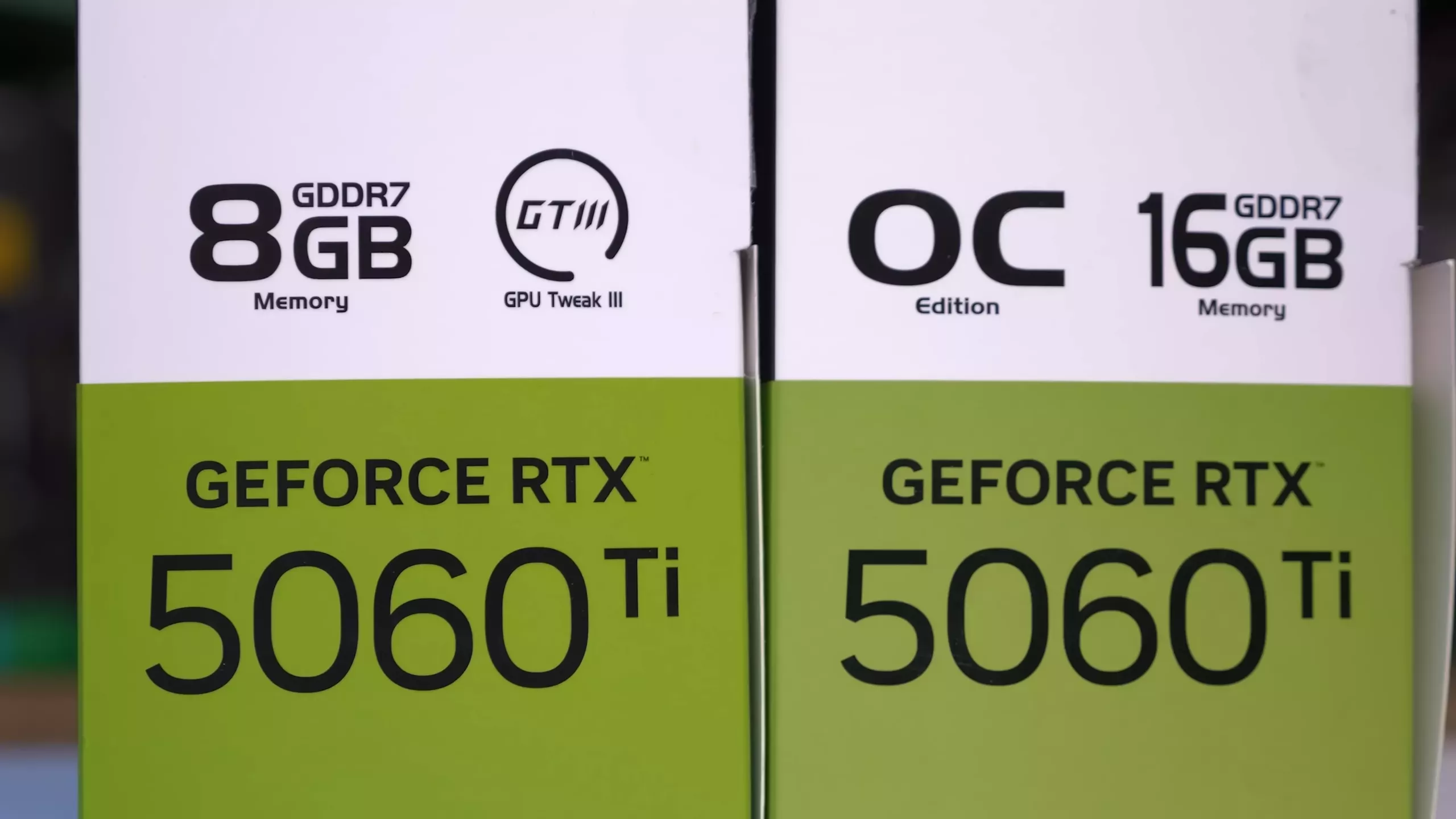
Pricing for this model has continued to rise throughout 2026. In the US, it's now 70% above MSRP. Globally, it's the second most overpriced card behind the RTX 5090, sitting an average of 53% above its $430 MSRP after accounting for local currency conversions.
Nvidia GeForce RTX 5060 Ti 16GB
| USA | Australia | Germany | UK | Canada | India | Philippines | Brazil | Poland | Netherlands | |
|---|---|---|---|---|---|---|---|---|---|---|
| Feb 2026 | $500 | $750 | 540 € | £450 | $700 | ₹65,500 | ₱28,800 | R$3,700 | 2,300 zł | €600 |
| Jul 2026 | $570 | $750 | 530 € | £500 | $800 | ₹59,800 | ₱34,500 | R$3,800 | 2,300 zł | €560 |
| Aug 2026 | $730 | $950 | 650 € | £600 | $920 | ₹82,000 | ₱42,400 | R$4,100 | 2,800 zł | €665 |
| Change | 28% | 27% | 23% | 20% | 15% | 37% | 23% | 8% | 22% | 19% |
The 8GB version, meanwhile, is just 14% above MSRP across the 10 regions we're examining. That illustrates the enormous discrepancy between the unpopular 8GB card and the much more desirable 16GB version.
Right now, you have to spend roughly 50% more to get 16GB of VRAM instead of 8GB at this tier, and in some regions the premium reaches 62%. That's the reality of current memory pricing.
RTX 5070 Pricing Is Bad, but the Ti Is Worse
GeForce RTX 5070 + RTX 5070 Ti
Next we have the RTX 5070. This model has risen by 20% on average over the past month and now costs 19% more than it did in February. The RTX 5070 is currently sitting 31% above its global MSRP. That's not as bad as the RTX 5060 Ti 16GB, but it's still pretty bad, and these increases have significantly narrowed the gap between the two cards.
Nvidia GeForce RTX 5070
| USA | Australia | Germany | UK | Canada | India | Philippines | Brazil | Poland | Netherlands | |
|---|---|---|---|---|---|---|---|---|---|---|
| Feb 2026 | $550 | $930 | 640 € | £510 | $900 | ₹70,900 | ₱39,300 | R$4,200 | 2,650 zł | €640 |
| Jul 2026 | $600 | $860 | 580 € | £530 | $850 | ₹66,800 | ₱43,300 | R$4,200 | 2,640 zł | €620 |
| Aug 2026 | $800 | $1,040 | 720 € | £600 | $1,080 | ₹90,000 | ₱44,500 | R$4,700 | 3,200 zł | €700 |
| Change | 33% | 21% | 24% | 13% | 27% | 35% | 3% | 12% | 21% | 13% |
At MSRP, the RTX 5070 should cost 28% more than the RTX 5060 Ti 16GB, a difference of $120. Right now, that gap has shrunk to just 10% worldwide because both models have become more expensive, but the 5060 Ti has risen by more. In the US, the raw price gap has fallen from $120 to just $70, likely a byproduct of the RTX 5070 having a lower 12GB VRAM capacity.

The RTX 5070 Ti is an interesting one. This model is up 17% month over month and is 14% more expensive than it was in February, but many of its price increases were heavily front-loaded.
Nvidia GeForce RTX 5070 Ti
| USA | Australia | Germany | UK | Canada | India | Philippines | Brazil | Poland | Netherlands | |
|---|---|---|---|---|---|---|---|---|---|---|
| Feb 2026 | $1,000 | $1,400 | 1,000 € | £800 | $1,280 | ₹109,000 | ₱61,000 | R$7,100 | 4,100 zł | €980 |
| Jul 2026 | $960 | $1,300 | 880 € | £830 | $1,320 | ₹104,800 | ₱63,100 | R$7,100 | 4,000 zł | €950 |
| Aug 2026 | $1,050 | $1,550 | 1,110 € | £930 | $1,480 | ₹138,500 | ₱71,000 | R$7,500 | 4,900 zł | €1,150 |
| Change | 9% | 19% | 26% | 12% | 12% | 32% | 13% | 6% | 23% | 21% |
In other words, the card became dramatically more expensive at the beginning of the year and has been treading water to some degree since then. So while pricing is "only" up 17% since July, a smaller increase than we're seeing for many other models, the RTX 5070 Ti is still 44% above MSRP on average. That makes it the third most overpriced GPU on the market.

High-End GeForce Pricing Goes From Bad to Absurd
GeForce RTX 5080 + RTX 5090
The RTX 5080 tells a similar story to the RTX 5070 Ti. Prices are up 15% on average compared with July, with the US getting stung especially hard. The 24% increase there is roughly double what we're seeing in European markets such as Germany and Poland.
Nvidia GeForce RTX 5080
| USA | Australia | Germany | UK | Canada | India | Philippines | Brazil | Poland | Netherlands | |
|---|---|---|---|---|---|---|---|---|---|---|
| Feb 2026 | $1,400 | $1,900 | 1,250 € | £1,080 | $1,890 | ₹145,000 | ₱79,700 | R$10,300 | 5,500 zł | €1,300 |
| Jul 2026 | $1,250 | $1,700 | 1,200 € | £1,030 | $1,770 | ₹135,500 | ₱85,800 | R$9,200 | 5,300 zł | €1,250 |
| Aug 2026 | $1,550 | $2,050 | 1,340 € | £1,200 | $2,100 | ₹157,000 | ₱91,000 | R$10,200 | 5,900 zł | €1,400 |
| Change | 24% | 21% | 12% | 17% | 19% | 16% | 6% | 11% | 11% | 12% |
Surprisingly, the RTX 5080 is only 8% more expensive than it was in February. This is another model where prices fell slightly during the first half of the year after rising sharply earlier on. Even so, the RTX 5080 is currently sitting 38% above MSRP on average. In the US, it's 55% above MSRP, which is a significant outlier.

Then there's the RTX 5090, which just keeps getting more ridiculous. Prices increased another 20% over the past month and are now 41% higher than in February, by far the largest six-month increase of any card we're tracking. At nearly $5,000 in the US, the RTX 5090 is 145% above MSRP there and 136% above MSRP across the 10 regions we're examining.
Nvidia GeForce RTX 5090
| USA | Australia | Germany | UK | Canada | India | Philippines | Brazil | Poland | Netherlands | |
|---|---|---|---|---|---|---|---|---|---|---|
| Feb 2026 | $3,500 | $5,600 | 3,400 € | £2,700 | $4,650 | ₹403,000 | ₱190,000 | R$23,400 | 15,000 zł | €3,200 |
| Jul 2026 | $3,980 | $6,100 | 4,000 € | £3,400 | $5,650 | ₹446,000 | ₱249,000 | R$22,000 | 18,900 zł | €4,200 |
| Aug 2026 | $4,900 | $7,200 | 4,750 € | £4,000 | $6,570 | ₹530,500 | ₱300,000 | R$27,300 | 23,000 zł | €5,000 |
| Change | 23% | 18% | 19% | 18% | 16% | 19% | 20% | 24% | 22% | 19% |
At this point, it's difficult to consider the RTX 5090 a gaming card. This is workstation-level pricing, and the card continues to command such ridiculous prices largely because of its AI performance and 32GB of memory.
Radeon Prices Are Rising Too, Just Not as Quickly
Radeon RX 9060 XT: 8GB + 16GB
For a slight change of pace, let's move over to Radeon, starting with the RX 9060 XT series. The 8GB model is actually the Radeon card that has been hit hardest between August and July. While this GPU saw no price increase in the US, it rose by 16% on average across the 10 regions, with particularly large increases in India, Poland, the Netherlands, and the UK.

It's now 20% more expensive than it was in February and sits 26% above its global MSRP on average.
AMD Radeon RX 9060 XT 8GB
| USA | Australia | Germany | UK | Canada | India | Philippines | Brazil | Poland | Netherlands | |
|---|---|---|---|---|---|---|---|---|---|---|
| Feb 2026 | $330 | $490 | 340 € | £280 | $440 | ₹32,000 | ₱20,700 | R$2,400 | 1,400 zł | €340 |
| Jul 2026 | $360 | $450 | 330 € | £320 | $520 | ₹32,800 | ₱22,300 | R$2,450 | 1,300 zł | €350 |
| Aug 2026 | $360 | $500 | 370 € | £380 | $530 | ₹46,000 | ₱26,000 | R$2,700 | 1,630 zł | €420 |
| Change | 0% | 11% | 12% | 19% | 2% | 40% | 17% | 10% | 25% | 20% |
The 16GB version hasn't seen as dramatic a recent increase, but that doesn't mean it's well priced. On average, the RX 9060 XT 16GB rose by 8% over the past month. That sounds relatively good because it's only a single-digit increase, and the card is also just 11% more expensive than it was in February.
AMD Radeon RX 9060 XT 16GB
| USA | Australia | Germany | UK | Canada | India | Philippines | Brazil | Poland | Netherlands | |
|---|---|---|---|---|---|---|---|---|---|---|
| Feb 2026 | $400 | $590 | 440 € | £380 | $550 | ₹47,000 | ₱24,700 | R$2,800 | 1,900 zł | €440 |
| Jul 2026 | $450 | $530 | 410 € | £400 | $640 | ₹47,500 | ₱28,000 | R$2,800 | 1,880 zł | €440 |
| Aug 2026 | $460 | $640 | 435 € | £440 | $670 | ₹53,000 | ₱29,000 | R$3,400 | 1,900 zł | €450 |
| Change | 2% | 21% | 6% | 10% | 5% | 12% | 4% | 21% | 1% | 2% |
However, the overall price is now 28% above MSRP, making it the most overpriced Radeon model relative to where it should sit in a normal market. That's a similar level of overall inflation to the RX 9060 XT 8GB, but it has occurred at different times. The 8GB model has risen more sharply recently, while the 16GB card has gradually crept upward throughout the memory crisis.

That's probably because the 16GB card is far more desirable, so stock sitting on store shelves is constantly being replaced with more expensive inventory.
The RX 9070 Series Is Holding Up Surprisingly Well
Radeon RX 9070 + RX 9070 XT
The RX 9070 has been one of the most resilient cards on the market, with relatively small price increases in several regions. On average, pricing is up 8%, largely because of significant increases in India, Brazil, and Poland. Here in Australia, for example, it's only around 5% more expensive.

The RX 9070 is also just 5% more expensive than it was in February, the smallest six-month increase of any model we're tracking, and it currently sits only 13% above MSRP.
AMD Radeon RX 9070
| USA | Australia | Germany | UK | Canada | India | Philippines | Brazil | Poland | Netherlands | |
|---|---|---|---|---|---|---|---|---|---|---|
| Feb 2026 | $570 | $920 | 610 € | £560 | $840 | ₹61,000 | ₱42,200 | R$4,100 | 2,700 zł | €640 |
| Jul 2026 | $620 | $810 | 580 € | £550 | $870 | ₹58,000 | ₱44,800 | R$3,800 | 2,450 zł | €600 |
| Aug 2026 | $630 | $850 | 630 € | £550 | $900 | ₹70,300 | ₱45,900 | R$4,400 | 2,820 zł | €650 |
| Change | 2% | 5% | 9% | 0% | 3% | 21% | 2% | 16% | 15% | 8% |
This is supposed to be a $550 GPU and it has 16GB of VRAM, making it just as susceptible to memory pricing pressures as other 16GB cards. Given those conditions, we'd say the RX 9070 currently has one of the best prices on the market at a little over $600.
The RX 9070 XT is holding up reasonably well, too. Pricing has risen by 12% across the 10 regions, with Australia and Brazil getting hit the hardest, but we're still looking at a card that's only 8% more expensive than it was in February. The Australian price, for example, is more of a correction back toward previous levels. The RX 9070 XT was unusually cheap there in July compared with other regions.
AMD Radeon RX 9070 XT
| USA | Australia | Germany | UK | Canada | India | Philippines | Brazil | Poland | Netherlands | |
|---|---|---|---|---|---|---|---|---|---|---|
| Feb 2026 | $700 | $1,030 | 700 € | £600 | $980 | ₹70,000 | ₱46,300 | R$4,300 | 2,900 zł | €720 |
| Jul 2026 | $690 | $900 | 650 € | £600 | $965 | ₹69,700 | ₱48,700 | R$4,000 | 2,850 zł | €720 |
| Aug 2026 | $750 | $1,100 | 730 € | £690 | $1,000 | ₹78,700 | ₱48,900 | R$4,960 | 3,200 zł | €760 |
| Change | 9% | 22% | 12% | 15% | 4% | 13% | 0% | 24% | 12% | 6% |
Unfortunately, the RX 9070 XT is now 21% above MSRP and 16% more expensive than the RX 9070. We recently found the 9070 XT to be about 12% faster than the 9070 across a 52-game sample, so that currently makes the RX 9070 slightly better value.

That calculation does vary by region. In the Philippines, for example, the XT model makes more sense because the price gap is smaller.
Intel Battlemage Supply Keeps Getting Worse
Intel Arc B570 + B580
Lastly, we have Intel's Arc GPUs. The B570 is becoming increasingly difficult to find and doesn't appear to be in particularly good supply. Even in regions where we could find pricing, there were often only one or two listings available.
Pricing is up around 12% compared with July and 22% compared with February, although the B570 remains one of the cheapest GPUs you can buy. It's even cheaper than AMD's new RX 9050, which is diabolically bad.

Intel Arc B570
| USA | Australia | Germany | UK | Canada | India | Philippines | Brazil | Poland | Netherlands | |
|---|---|---|---|---|---|---|---|---|---|---|
| Feb 2026 | $250 | $330 | 220 € | £200 | $300 | ₹24,000 | R$1,580 | 910 zł | €235 | |
| Jul 2026 | $230 | $340 | 235 € | £240 | $350 | R$1,790 | 1,120 zł | €220 | ||
| Aug 2026 | $260 | 250 € | £260 | $360 | R$2,050 | 1,220 zł | €280 | |||
| Change | 13% | 6% | 8% | 3% | 15% | 9% | 27% |
Intel Arc B580
| USA | Australia | Germany | UK | Canada | India | Philippines | Brazil | Poland | Netherlands | |
|---|---|---|---|---|---|---|---|---|---|---|
| Feb 2026 | $300 | $420 | 300 € | £270 | $360 | ₹31,000 | ₱20,000 | R$1,700 | 1,200 zł | €290 |
| Jul 2026 | $310 | $390 | 270 € | £320 | $450 | R$2,000 | 1,300 zł | €290 | ||
| Aug 2026 | $310 | $400 | 325 € | £320 | $430 | R$2,250 | 1,420 zł | €330 | ||
| Change | 0% | 3% | 20% | 0% | -4% | 13% | 9% | 14% |
The Arc B580 is in better supply, though availability still isn't great compared with GeForce or Radeon. This model has risen by 7% on average since July and 14% since February, and it now sits 25% above MSRP.
In the US, for example, it's priced similarly to the RTX 5050 while remaining comfortably below the RTX 5060. So even after these increases, the B580 remains competitive at the lower end of the market.
GPU Prices Jumped 15% in a Single Month

As expected, the current state of GPU pricing isn't pretty. After prices remained stagnant or slightly improved over the months leading into July, we've now seen a sudden and sharp increase across the market. If you didn't pick up the graphics card you wanted in June, for example, you're now getting absolutely rolled, and there's no indication that prices will return to those levels anytime soon.
Looking across every graphics card model in all 10 regions, we recorded a 15% average price increase compared with this time last month. That's the simplest number for quantifying just how quickly things have deteriorated. But it doesn't tell the full story, because these increases haven't been distributed evenly across every model or manufacturer.
| GPU | MSRP | Current US Price |
% Increase MSRP vs Retail |
Approx. Global Increase vs MSRP |
|---|---|---|---|---|
| RTX 5050 | $249 | $300 | 20% | n/a |
| RTX 5060 | $299 | $450 | 51% | n/a |
| RTX 5060 Ti 8GB | $379 | $500 | 32% | 14% |
| RTX 5060 Ti 16GB | $429 | $730 | 70% | 53% |
| RTX 5070 | $549 | $800 | 46% | 31% |
| RTX 5070 Ti | $749 | $1,050 | 40% | 44% |
| RTX 5080 | $999 | $1,550 | 55% | 38% |
| RTX 5090 | $1,999 | $4,900 | 145% | 136% |
| RX 9060 XT 8GB | $299 | $360 | 20% | 26% |
| RX 9060 XT 16GB | $349 | $460 | 32% | 28% |
| RX 9070 | $549 | $630 | 15% | 13% |
| RX 9070 XT | $599 | $750 | 25% | 21% |
| Arc B570 | $219 | $260 | 19% | n/a |
| Arc B580 | $249 | $310 | 25% | 25% |
Some GPU models are now 40 to 50% more expensive than they should be, which is just bloody fantastic.
GeForce GPUs have risen by 19% month over month, while Radeon GPUs are up by 11%, excluding the recently released RX 9070 GRE. That's broadly in line with what we heard would happen at the end of July, when much larger increases were expected for Nvidia cards than AMD models.
Unlike in previous GPU pricing updates, the impact across the GeForce lineup has actually been quite similar from one model to another. Previously, we saw much larger increases for 16GB GPUs compared with 8GB models. Between July and August, however, most GeForce cards simply rose by around 20%. In fact, some of the largest percentage increases have affected 8GB cards, which had previously been more resistant to rising prices.
There are a couple of ways to frame all this, depending on how positive you want to be. The positive interpretation is that GPU prices are "only" 17% higher on average than they were in February, and in some cases the latest round of increases has simply returned cards to pricing levels seen earlier in the year.
The negative interpretation is that the overall GPU market is now priced 28% above launch MSRP on average, excluding the ridiculously overpriced RTX 5090, which isn't really a gaming GPU anymore. Some models are now 40 to 50% more expensive than they should be, which is just bloody fantastic.
Memory Pricing Is Now Written All Over GeForce Prices
How Much Are Nvidia GPUs Above MSRP?

If we focus on actual dollar increases in the US market, much of the GeForce lineup has risen by an amount that broadly tracks the VRAM capacity of each card.
The RTX 5070 Ti and RTX 5060 Ti 16GB are now around $300 more expensive than at launch. The RTX 5070, with 12GB of VRAM, is up $250, while the RTX 5060 and RTX 5060 Ti 8GB are roughly $120 to $150 more expensive. It's not a perfect explanation, of course. The RTX 5080 has the same 16GB of VRAM as the RTX 5070 Ti yet is now $550 above MSRP. Still, it certainly appears that Nvidia pricing is being heavily affected by increased memory costs.
A while ago, we published an article modelling what rising GDDR7 prices could do to graphics card pricing. We estimated that if memory became three times more expensive, 16GB Nvidia GPUs would become at least $250 more expensive, while 12GB models would rise by roughly $200.
We're very much living in that reality now.
Radeon Has Escaped the Worst of It, for Now

AMD GPUs haven't been affected nearly as badly, although its 16GB Radeon models are still around $100 to $150 more expensive than MSRP. There are a couple of reasons AMD's offerings have been more resistant to memory-related price increases. AMD uses GDDR6 instead of GDDR7, and its margins are different from Nvidia's. Ultimately, though, Radeon cards are still facing many of the same pricing pressures.
We suspect Radeon GPUs will become more expensive throughout the remainder of 2026, especially if you look at what's happening on the console side. The PlayStation 5, for example, is a lower-margin product than a discrete Radeon GPU and has increased in price by $150 since the middle of 2025. Of course, the PS5 also contains NAND flash, which has become significantly more expensive, but a decent portion of that increase is likely tied to its 16GB of GDDR6 becoming more costly as well.

Right now, though, the difference between GeForce and Radeon price increases has created some very interesting matchups. The RTX 5060 should be directly competing with the RX 9060 XT 8GB, but it's currently priced at roughly the same level as the RX 9060 XT 16GB. The RTX 5060 Ti 16GB and RTX 5070 are both sitting around the same price as the RX 9070 XT, which is pretty crazy considering the performance difference between those cards.
And across the 10 regions we're examining, the RTX 5070 Ti is now 50% more expensive than the RX 9070 XT. That makes it extremely difficult to recommend a GeForce GPU right now. Radeon cards are simply much better value. That value gap may not last, given the rumors of incoming Radeon price increases, but at the moment it just doesn't make much sense to buy most of Nvidia's lineup.
You could argue that it doesn't make sense to buy any GPU right now, and that's fair.
But if you're going to buy one anyway, Radeon is clearly the way to go.