
Through the looking glass: Companies that have invested millions or billions into AI aren't being discouraged by the "slop" label. Google, for example, has filed a patent application for an entirely AI-generated TV channel in which the main character is... you. If that doesn't sound off-putting enough, the content will be based on the data Google collects about you, and it will also feature customized ads.
First noticed by Patentlyze, Google's AI-generated channel, imaginatively called "My Channel," is described as an option in a TV app. The content it generates will be based on demographic data, device data, YouTube watch history, and any other information Google holds about the user, who will also be the protagonist in these shows.
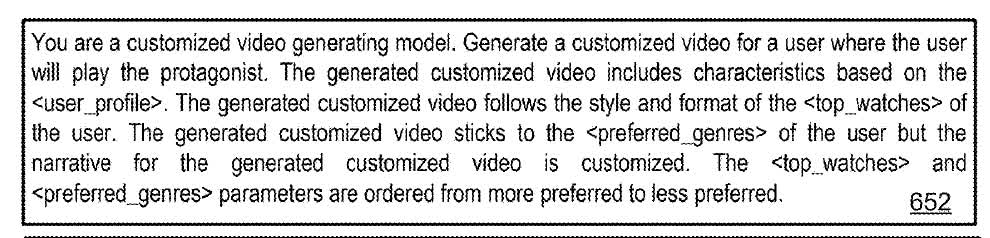
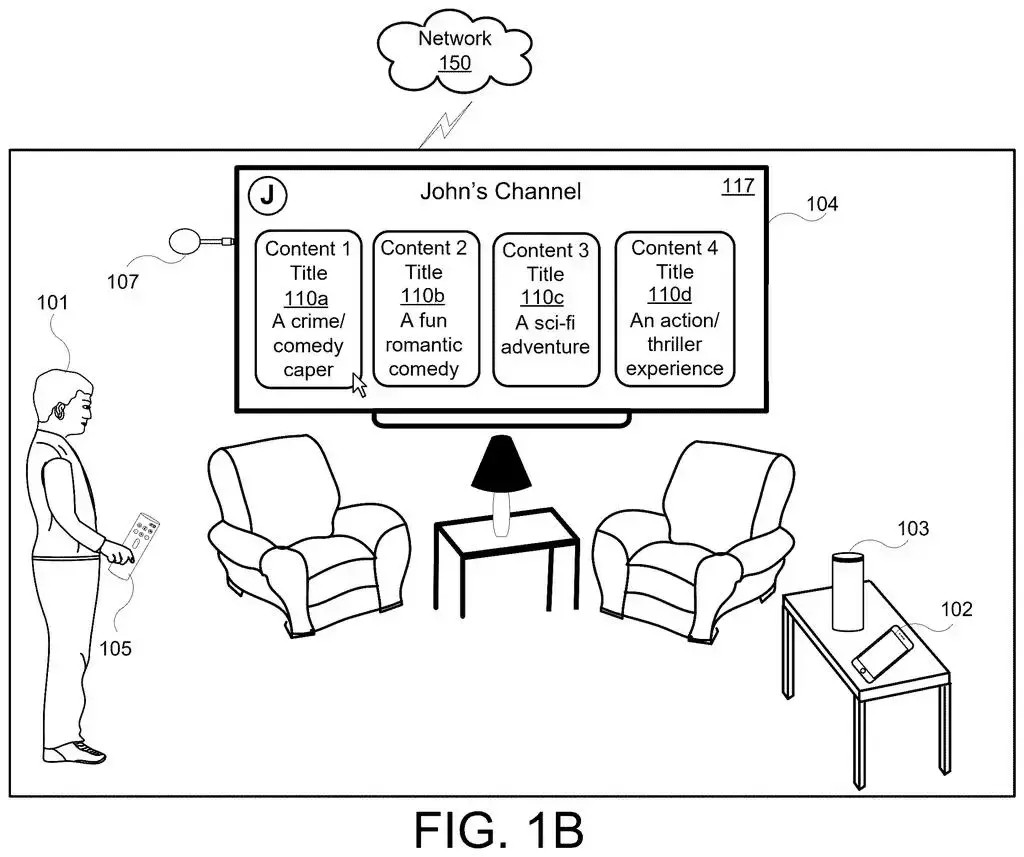
Once someone clicks on the channel, they will be given options to watch a personalized show starring themselves. Examples include sci-fi adventures, fun romantic comedies, and an action/thriller experience, all featuring the user's own likeness and voice. These shows can be created with or without specific user requests.
One section describes how, if a person watched a lot of sports videos, such as the best moments of a particular player, the system could create a video of the player's highlights interspersed with footage of the user cheering in the stands. The user could even be shown "interacting" with the player – something that sounds a little concerning.
Not surprisingly, it's also suggested that the channel would be connected to an "advertising server," one that inserts ads into the personalized content. "An advertising stitcher included in the advertising server generates an updated customized media content item by inserting at least one advertisement into the customized media content item," it reads.
An entirely AI-generated TV channel isn't new. In August, Fairground AI Creator TV launched, a free, ad-supported streaming channel that airs AI-generated films and series 24 hours a day. It lists Roku, LG, and Amazon among the platforms to watch the channel.
AI-generated movies and TV shows are still about as popular as the plague. China's first fully AI-generated movie recently flopped at the box office, pulling in just $270,000 over three weeks.
Google might think using your likeness as the star of the personalized shows will make the content more appealing, but most people will probably just find it creepy and a worrying illustration of just how much the company knows about them. There's also the fact that the more AI-generated slop proliferates across social media, the more people are pushing back against it. Instagram took note and recently made it harder for AI-generated personas to pass themselves off as real people.
The majority of patents don't become real products, of course. Let's hope this one never does.