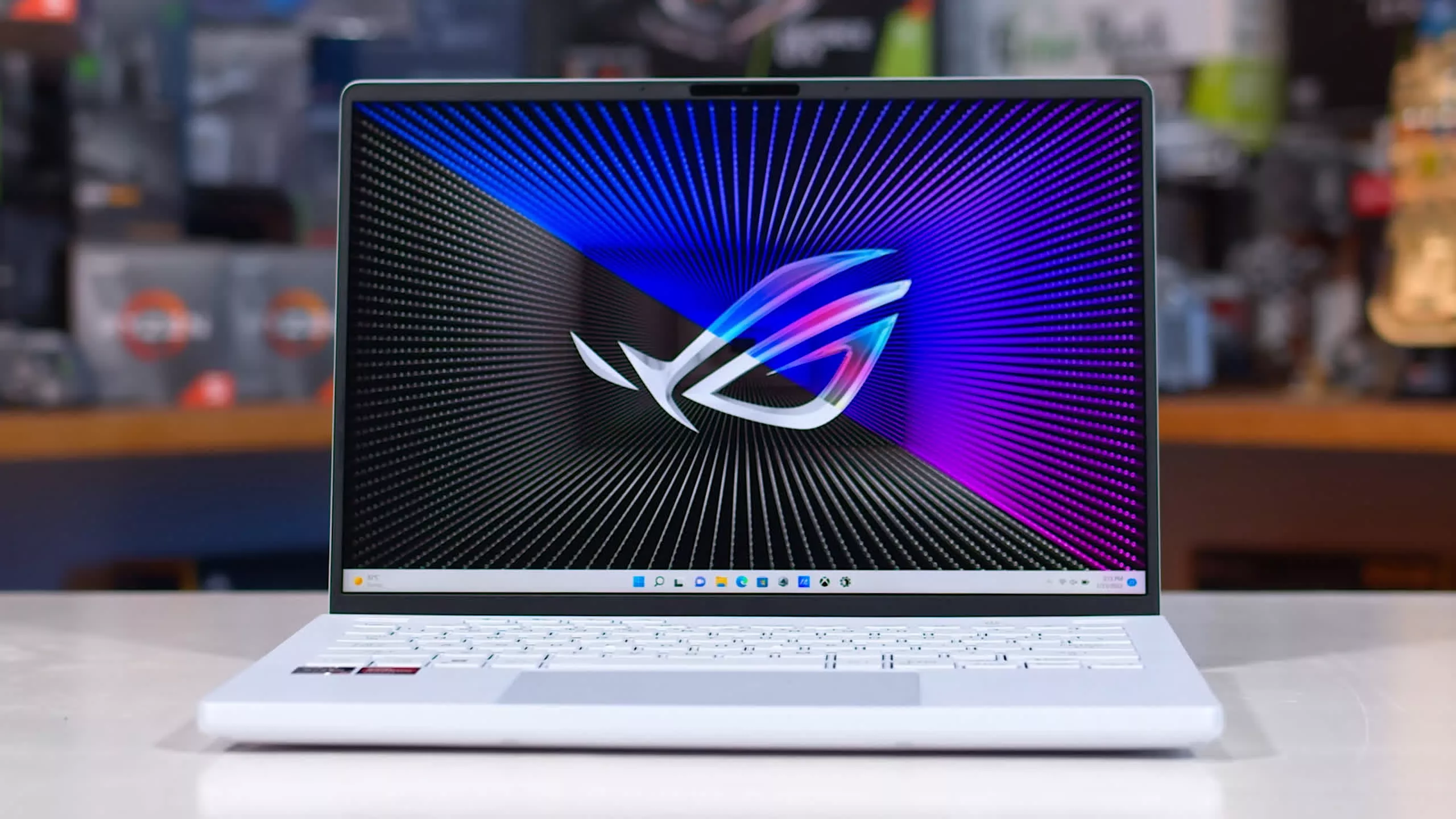
Facepalm: With memory prices continuing to track upward, Asus is reportedly considering reducing the amount of RAM in some of its mid-range laptops from 16GB to 8GB. Explaining the potential move, Asus co-CEO S.Y. Hsu said that the rising prices have reached an inflection point where the company can no longer afford to pass all additional costs on to buyers without potentially losing customers.
Talking to investors at Asus' Q3 2026 earnings call, Hsu said that the company is likely to "adjust the memory configuration" in its entry-level and mid-range PCs to 8GB following the latest Windows 11 update, which Microsoft promises will make the operating system faster and more responsive on devices with just 8GB of RAM.
Hsu claimed that Asus worked closely with Microsoft on memory optimization in Windows 11 and that the changes implemented in the new build work as advertised. He added that 16GB had become the default memory standard on Windows devices to ensure a lag-free user experience, but the "adjustments" in the updated build ensure that even 8GB offers an "acceptable" experience.
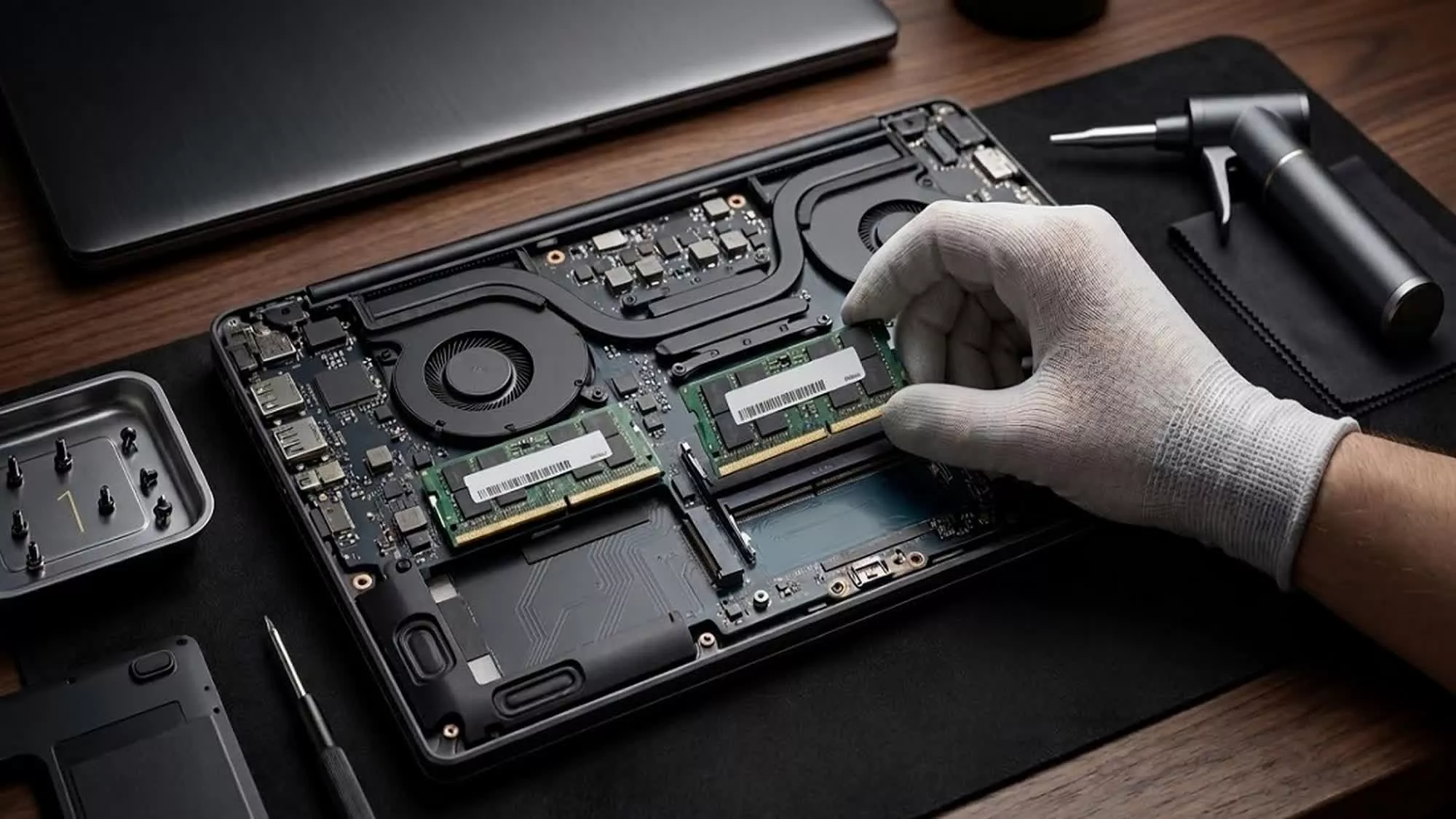
Hsu's statement comes just weeks after Microsoft released Windows 11 26H2 with a series of optimizations aimed at improving performance on PCs with just 8GB of memory. Pavan Davuluri, Microsoft's EVP of Windows and Devices, claimed that the changes will make Windows up to 20% more responsive and boost multitasking performance by up to 40% on devices with 8GB of RAM.
Redmond, however, acknowledged that Windows 11 PCs with 16GB or 32GB of RAM will still be better at gaming and multitasking, but added that 8GB PCs will help users "do more" without a noticeable drop in performance. That said, the data shared by Microsoft comes from its own lab tests under controlled conditions, so don't expect as much of a performance boost in real-world use cases.
It is worth noting that in May 2026, Microsoft actually raised the recommended memory configuration for Windows 11 devices from 16GB to 32GB. However, faced with skyrocketing memory prices, the company removed that recommendation shortly afterward and pushed out the latest update designed to improve memory usage in Windows 11 devices.