
Winners & losers: The more technology that gets packed into something, the more things can go wrong. That old adage is especially true with vehicles. According to a new investigation, the time US mechanics lose trying to access and use automakers' repair software is worth an estimated $12 billion a year. Drivers can feel it in their wallets, too, as higher repair bills can push up insurance premiums.
The report, titled Closing Shop, highlights the reality of repairs on today's heavily computerized vehicles. Its authors, from the US PIRG Education Fund, iFixit, and FULU, note that finding a failed sensor, releasing an electronic parking brake, or getting a car to recognize a replacement part can require plugging a laptop or tablet into the vehicle.
This modern problem illustrates the irony of the service light on a dash showing a hand tool. As the authors put it, "it should be a laptop." On some jobs, the mechanic has to pay the manufacturer for software access before the wrench work can start.
As for where that $12 billion figure comes from, the researchers estimate that about one in five repairs at independent shops requires manufacturer software. On those jobs, the median estimate from mechanics was 75 minutes spent buying access, downloading software, logging in, and waiting.
Across the US, that works out to 83 million hours a year, roughly the annual workload of 42,000 full-time technicians. The authors valued those hours at a typical shop rate of $140. The subscription fees themselves are a separate expense.

Buying the software doesn't always get you very far, either. One Ford Ranger Raptor owner cited in the report replaced a faulty anti-lock brake module, bought Ford's diagnostic software, and picked up a new adapter. Then the software asked for professional security credentials to reset the anti-theft system. With the replacement part already fitted, the owner said the truck would either refuse to start or cut out when shifted into drive.
There's also the question of how many subscriptions independent shops can justify. A Nissan dealer can spread the cost of one brand's software across the cars coming through its doors, but a neighborhood mechanic might see five different makes before lunch.
Of the mechanics surveyed, 88% had turned away at least one repair in the past year because they couldn't get or afford the software. For more than a million Americans who live over 100 miles from the nearest Nissan dealer, that could mean quite a tow.
That trip to the dealership can mean a bigger repair bill, too. A 2020 study cited in the report found that Massachusetts dealerships charged 36% more than independent shops for the same work. So if your usual mechanic has to turn you away because they can't access the software your car needs, you could end up paying more for exactly the same fix.
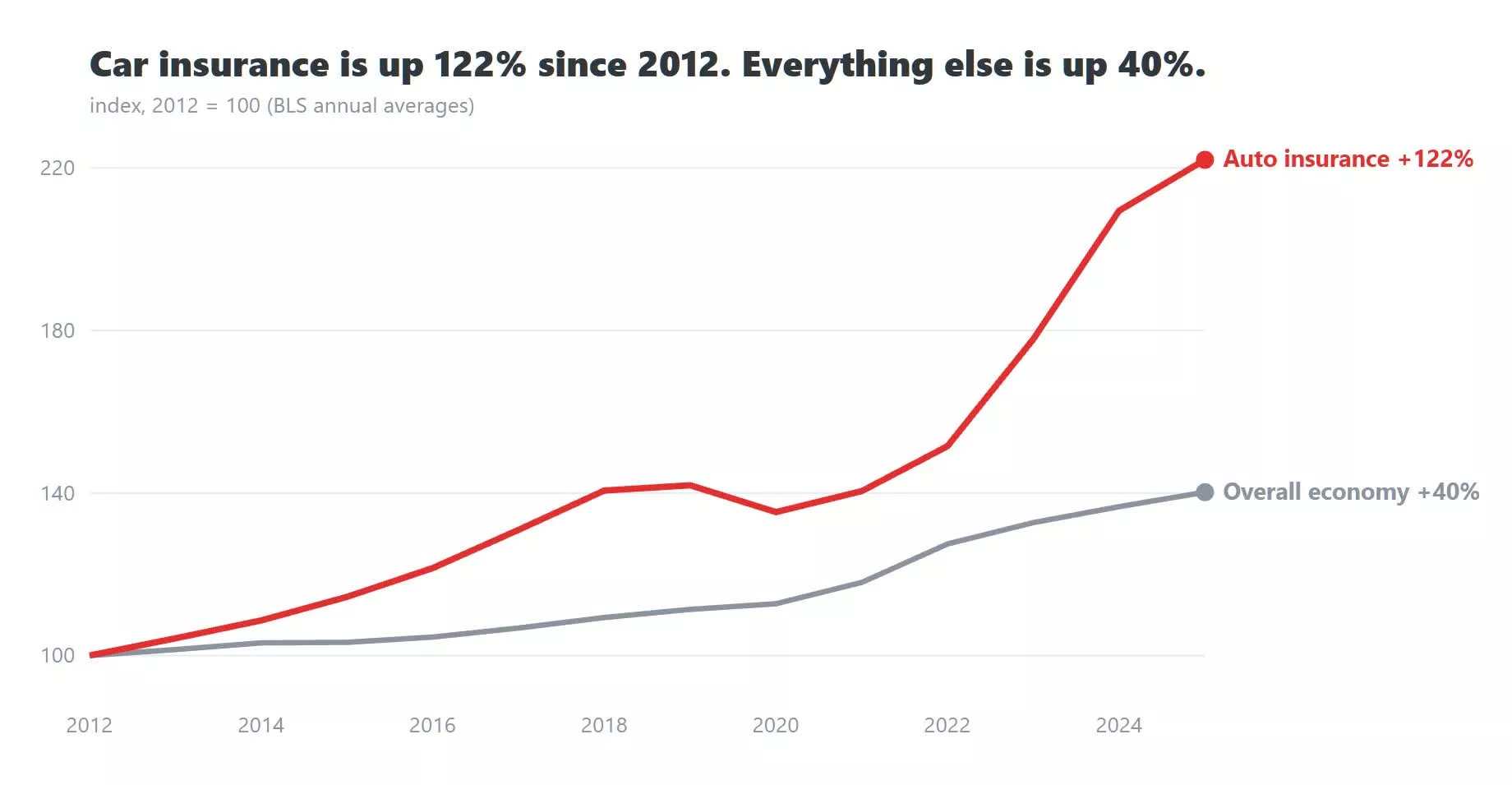
Even drivers whose cars never see the inside of a repair shop can feel it when their insurance comes up for renewal. When a car costs more to fix after a crash, the insurer faces a bigger claim, and those costs can feed into premiums for everyone. The report points to federal figures showing that US auto insurance prices rose 122% since 2012, compared with a 40% rise in consumer prices overall.
Carmakers have backed down over unpopular tech before. BMW dropped its heated-seat subscription after owners objected to paying extra to use hardware already in their cars, while Volkswagen pledged to bring back physical controls for essentials such as volume and heating. The report's authors want lawmakers to go further by making basic diagnostic software and service information free and capping what manufacturers can charge for their other repair tools.