
While there's been a tremendous amount of excitement surrounding agentic AI over the last year or two, the vast majority of the attention has focused on individual use of these tools. Everywhere you look, it seems, you can find stories of people who have done amazing work on their own with agentic AI.
Scaling the technology to groups and large companies, on the other hand, hasn't always been as easy. In fact, a number of stories have circulated lately about companies that haven't seen the return they expected on their agentic AI investments.
At the same time, much of the popular press on agentic AI has focused on high-profile model providers such as OpenAI and Anthropic and the tools they make, as well as others like Perplexity, Muse, and OpenClaw that tend to be seen primarily as tools for individuals.
When it comes to the enterprise, however, there's little doubt that Microsoft is still king of the hill – a fact that was dramatically reinforced last week when Outlook, Teams and other Microsoft services broke down and essentially halted productivity for businesses of all sizes for about an entire day.
Perhaps appropriately, then, at this year's Microsoft Ignite event in San Francisco, the company intentionally brought the agentic AI story to the enterprise, with the specific goal of addressing the key issues that arise when you try to scale a personal productivity tool to a group-focused enterprise level.
Through a wide-ranging set of announcements, the company tackled group co-working, specialized tools for different departments, leveraging corporate data and context to improve the quality of AI output and, most importantly, cost.
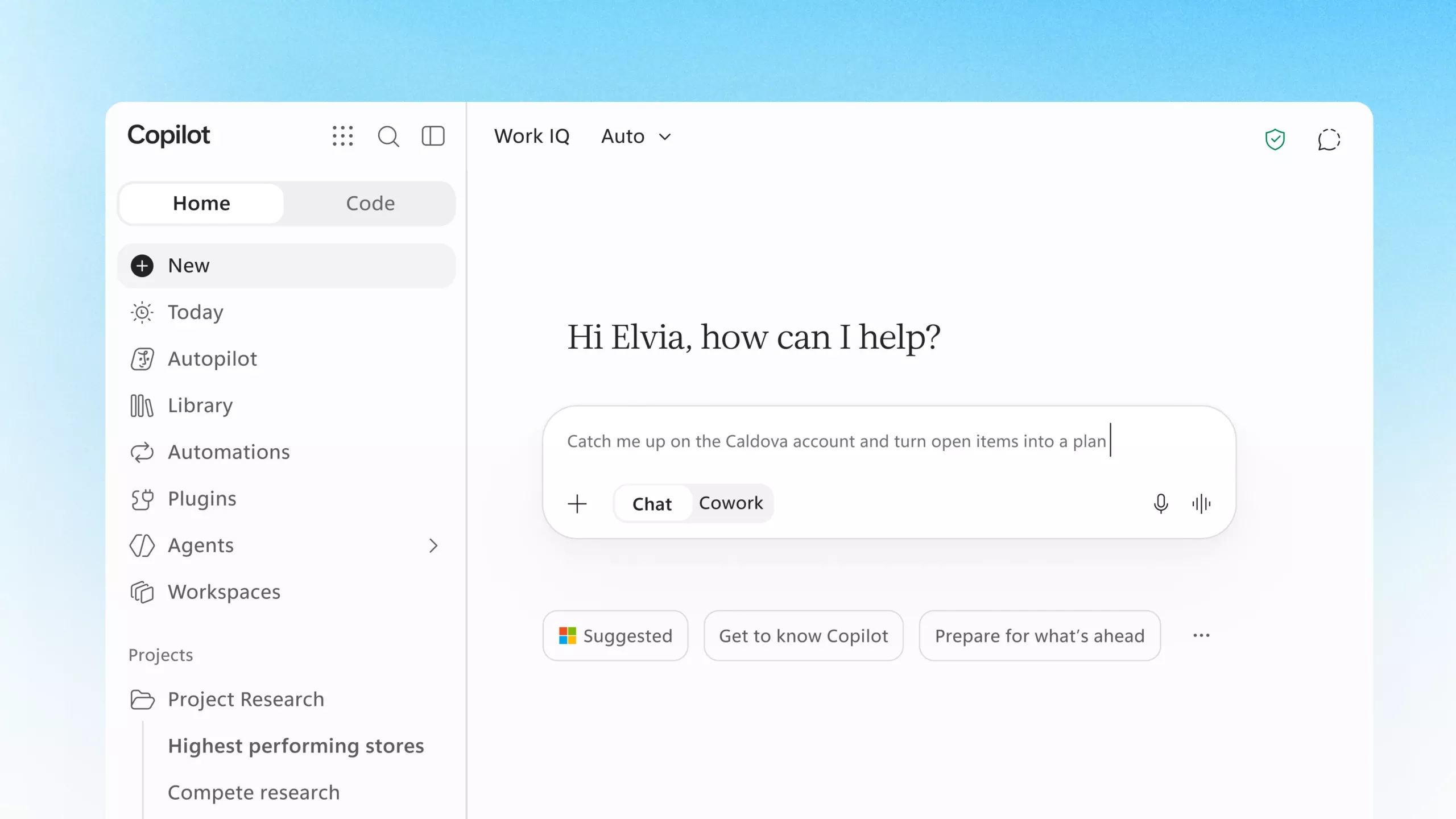
At a core level, Microsoft has expanded Copilot with several new modes and broader capabilities for both individuals and groups. In fact, the company even went so far as to call Copilot the new operating system for work, which certainly raises some interesting questions for the future.
Copilot Workspaces, for example, lets individuals and groups create long-running agentic workflows that can be used and edited by multiple people. If a group within a department wants to work collectively on a project, they can integrate Office documents (which are now directly editable in Copilot), Teams threads and more into a dynamic project that agents can modify and update.
The new Today option in Copilot, which just entered private preview, brings a proactive agent to individuals, reminding them of tasks they need to complete, documents to edit, emails to send and more. Both of these modes also have new auto-routing tools that can automatically send different tasks to the most appropriate model. For frontier-level clients, a new Autopilot will take these kinds of proactive steps even further.
To deliver these capabilities, the company has built an increasingly sophisticated and complex set of software layers and interconnection tools that let organizations customize and optimize agentic tools for their specific needs.
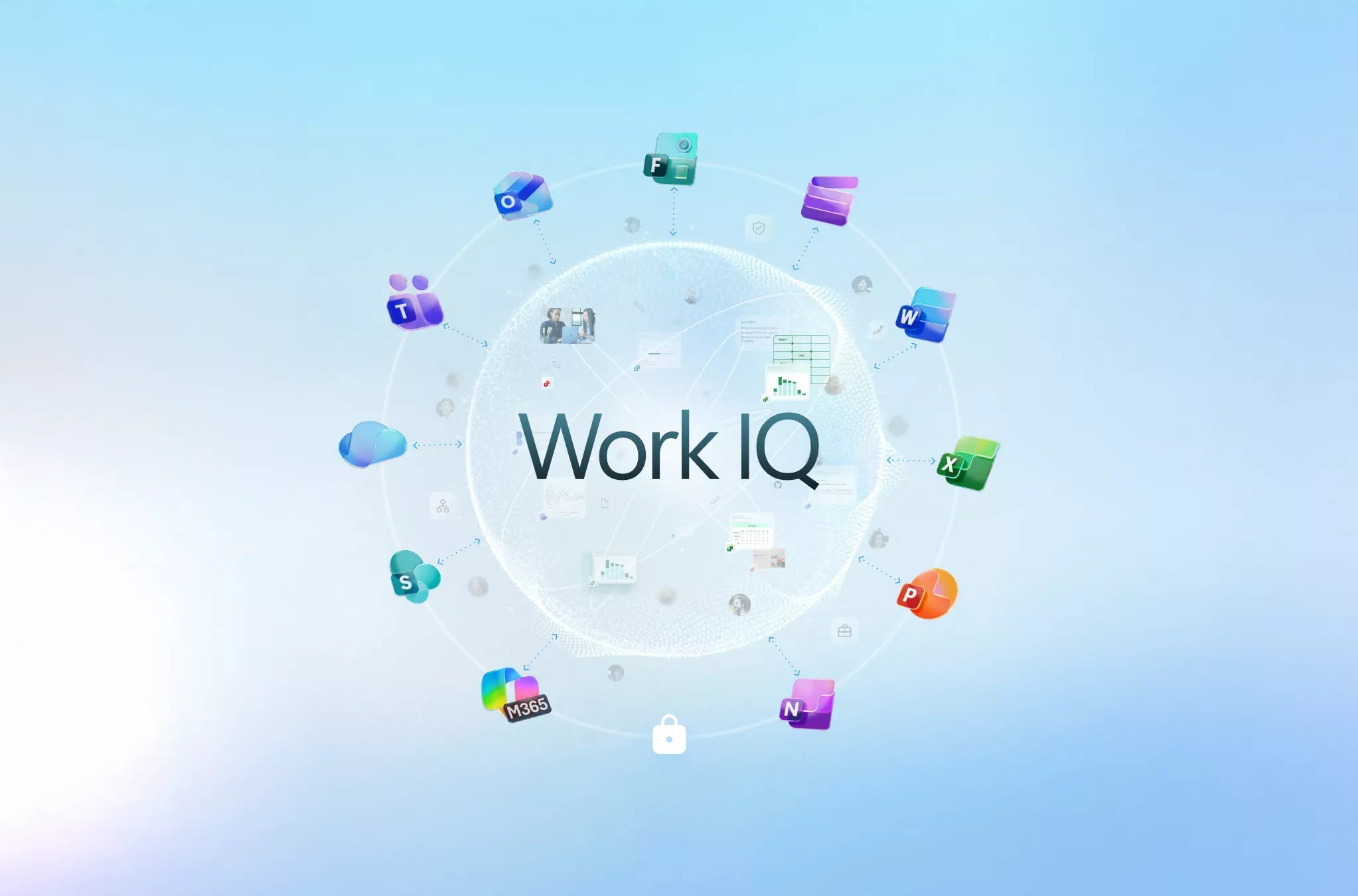
The newly announced Microsoft IQ, for example, brings together Work IQ, Fabric IQ, Foundry IQ and Web IQ into a comprehensive contextual layer that off-the-shelf and custom-built agents can tap into to create new business workflows, enhance existing processes and more. Though it sounds similar, it does not replace the Microsoft Graph. Instead, it adds an abstraction layer above Graph that's specifically designed for interactions with agentic tools.
Another critical capability of Microsoft IQ is a set of more than 350 "plug-ins" that serve as connectors between a wide variety of applications and data types. These matter because they help ease the seemingly insurmountable challenge of cleaning and prepping data stores for use with AI tools.
Virtually every organization that has had success with agentic AI, as well as many creators of agentic AI tools, has talked about how critical clean, custom data is to getting the most value from these tools.
Doing that work, however, has often proven more challenging than many organizations expected. With well-constructed plug-ins, many of those challenges can be removed because the import process can automatically put data into the proper formats for ingestion. On top of these connection tools, Microsoft also announced a new partnership with Salesforce called Copilotforce, which can integrate data and skills into the Microsoft IQ environment via MCP connections to Salesforce. For many organizations, these types of connector plug-ins could be a significant game changer.
Equally important to Microsoft's enterprise-wide agentic story is an extended range of its own smaller, specialized models in the MAI (Microsoft AI) family. The new MAI-Code-2 model, now available through GitHub, is claimed to offer 90% of the coding capabilities of today's latest frontier models at a fraction of the size. This, in turn, means lower token costs and the potential to move more workloads on-prem.
Even more important was the launch of the new Microsoft-Decision-1.1 tool, an intelligent model router that takes requests from an agent, breaks them into smaller pieces and sends each piece to the most appropriate and cost-effective model. This capability is an absolutely essential element of a hybrid AI environment that can work across the cloud, on-prem data centers and edge/client devices. While multiple other companies are working on similar routing capabilities, and there's still more work to be done, Microsoft's massive presence in the enterprise is bound to make this a very important tool moving forward.
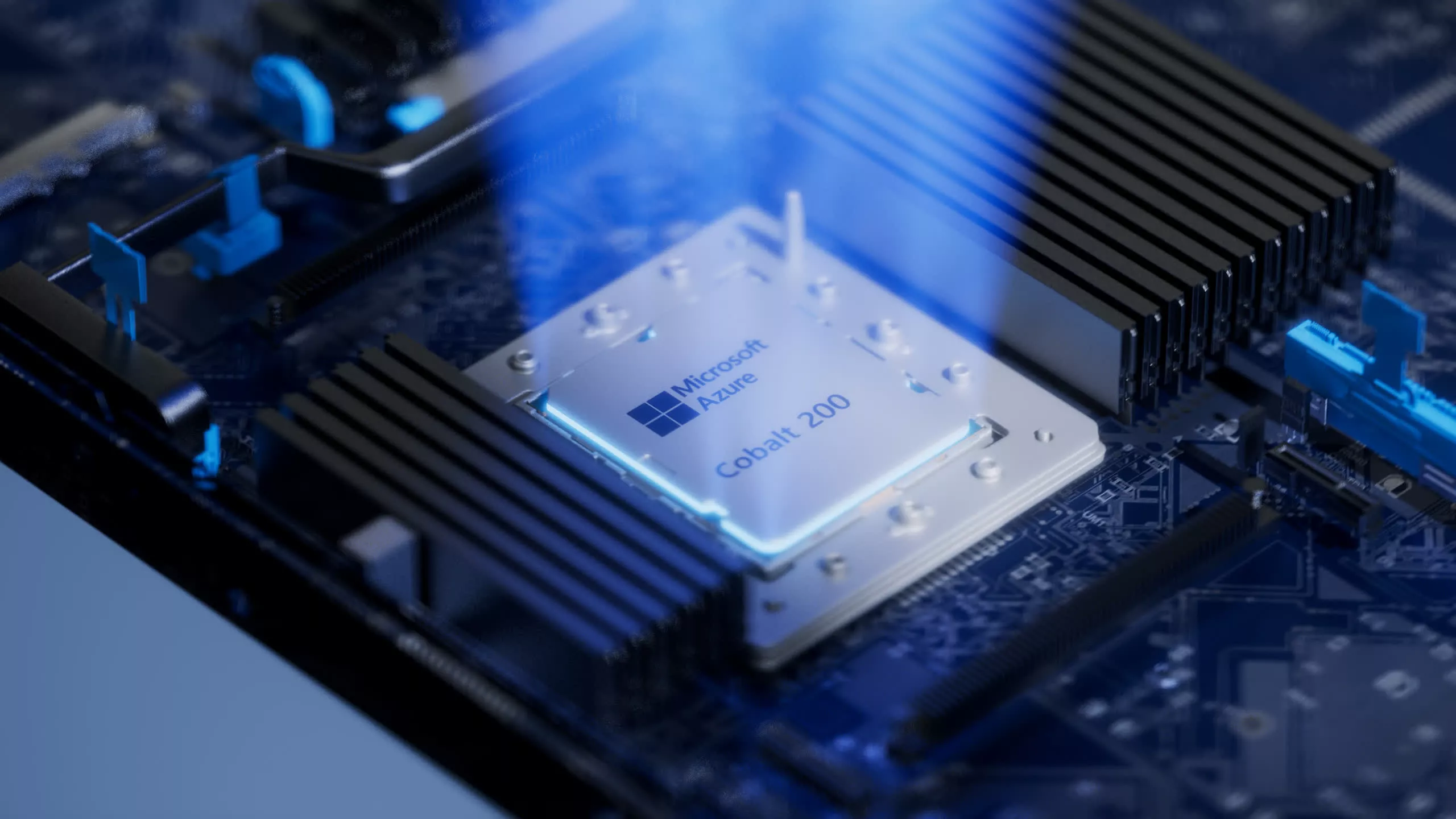
In addition to software, Microsoft made a few AI infrastructure announcements on the hardware side. Notably, the company debuted its new Arm-based Cobalt 200 CPUs, which power Cobalt 200 virtual machines that offer 50% better performance on agentic workloads than the first-generation chips.
Microsoft also made an array of important security announcements, including additions to its Perception security stack, an integrated Security Operations Center and a new AI transparency initiative designed to give organizations more insight into how AI tools function and are governed.
The key takeaway from it all is that Microsoft is starting to fully leverage its privileged position within businesses around the world to extend agentic AI from the individual to the organization. It's not a transition that's going to occur overnight, but it's clear that an increasingly wide range of the tools needed to scale these efforts are starting to come into place.
Bob O'Donnell is the founder and chief analyst of TECHnalysis Research, LLC a technology consulting firm that provides strategic consulting and market research services to the technology industry and professional financial community. You can follow him on Twitter @bobodtech