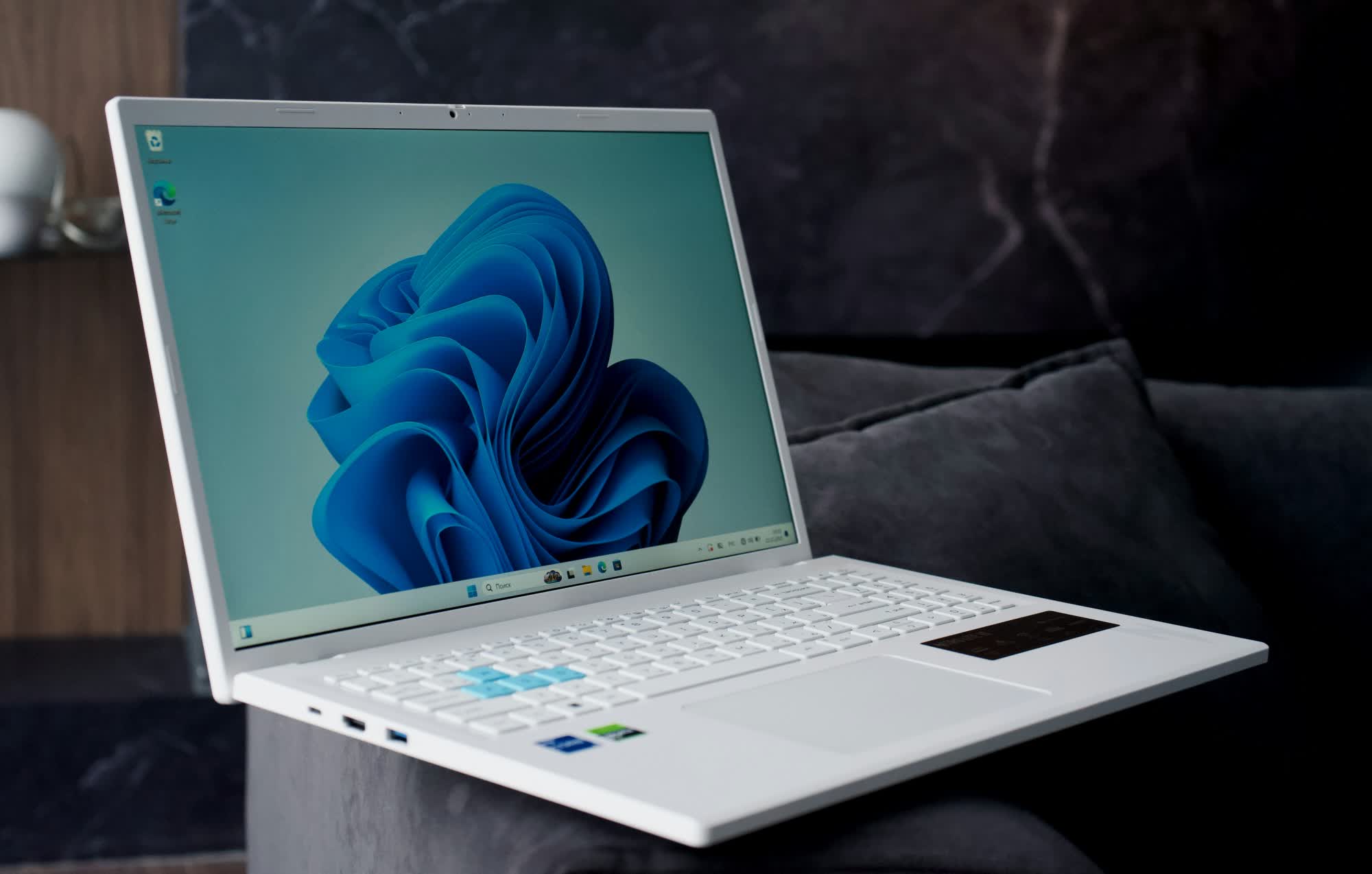
The takeaway: With DRAM prices continuing to hit record highs, consumer electronics manufacturers are working on software optimizations to ensure decent performance, even on modest hardware. Microsoft recently claimed that the latest Windows 11 update makes the operating system faster and more responsive on devices with just 8GB of RAM. New reports suggest there may be some truth to that claim.
Earlier this month, Microsoft released Windows 11 26H2 with a series of optimizations that it claimed will improve performance on PCs with just 8GB of memory. According to Pavan Davuluri, Microsoft's EVP of Windows and Devices, the improvements will make Windows up to 20% more responsive and boost multitasking performance by up to 40% on devices with 8GB of RAM.
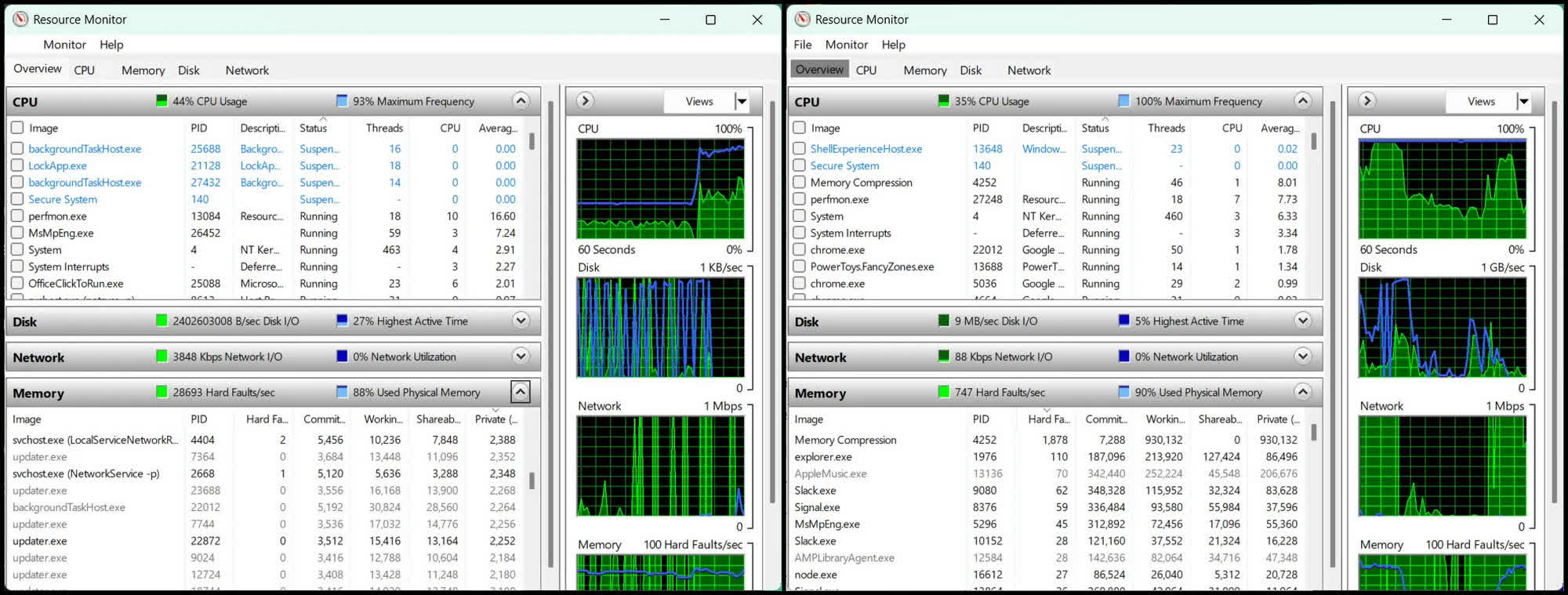
Early reviews suggest Davuluri's claims may not be just a PR exercise after all. The Verge tested the same 13-inch Surface Laptop with 8GB of RAM before and after installing version 26H2, Build 26300.9974, and found that multitasking performance improved noticeably following the update, with no apparent drawbacks.
According to the report, before the update, running 20 Chrome tabs while streaming a 4K YouTube video and using Slack and Signal simultaneously made the device extremely sluggish. Browser tabs and apps also had to reload whenever the reviewer switched between them. The fan ran at full speed, while Resource Monitor reported between 700 and 29,000 hard faults per second, resulting in a severely degraded experience.
After the update, Windows still slowed down somewhat when performing the same tasks, but the device remained usable. "I could feel things like Task View get a little less responsive, but it was the way you'd expect when taxing a system. Chrome tabs required less frequent refreshes (and) the fan took longer to kick in and ran quieter," the reviewer noted.
Explaining how Microsoft managed to reduce lag on Windows 11 devices with 8GB of memory, Davuluri said the improvements came from better memory compression and more efficient management of which apps remain in memory and which are offloaded to storage. He added that the biggest change involves how the operating system accesses data that has been paged out from RAM to an SSD.
Traditionally, when there isn't enough memory to handle all active data, some of it is moved to the SSD. Since storage drives are considerably slower than RAM, retrieving this data takes much longer than accessing information stored in memory, resulting in slowdowns that can disrupt users' workflows.
According to Davuluri, Microsoft addressed this issue in the latest update by allowing Windows to keep up to an additional 2GB of active data in memory rather than moving it to slower storage. "So an app or tab you left open is less likely to reload when you return," he explained, helping prevent interruptions and slowdowns even on devices with just 8GB of RAM.