
Facepalm: Call of Duty: Modern Warfare 4 is among the latest in an unusually rapid string of well-regarded releases that made it to store shelves in the weeks leading up to Grand Theft Auto VI's launch, so people are naturally talking about it in public. However, fans should be careful to watch what they say while playing and discussing a military shooter at an airport to avoid a panic, as passengers in Ontario, California, learned this week.
According to Ontario police, a plane and the east wing of Terminal 2 at Ontario International Airport were evacuated on Sunday night after a passenger heard the words "bomb" and "explosion." It turned out the person mistook a conversation about Call of Duty for a bomb threat.
While detained, a person explained that they were playing Call of Duty on the plane before departure while talking with a friend over FaceTime. Someone else overheard them say "bomb" and "explosion" while describing the gameplay and alerted flight attendants. A sweep of the plane uncovered no explosive devices, and the flight eventually departed with everyone on board, including the detained person.
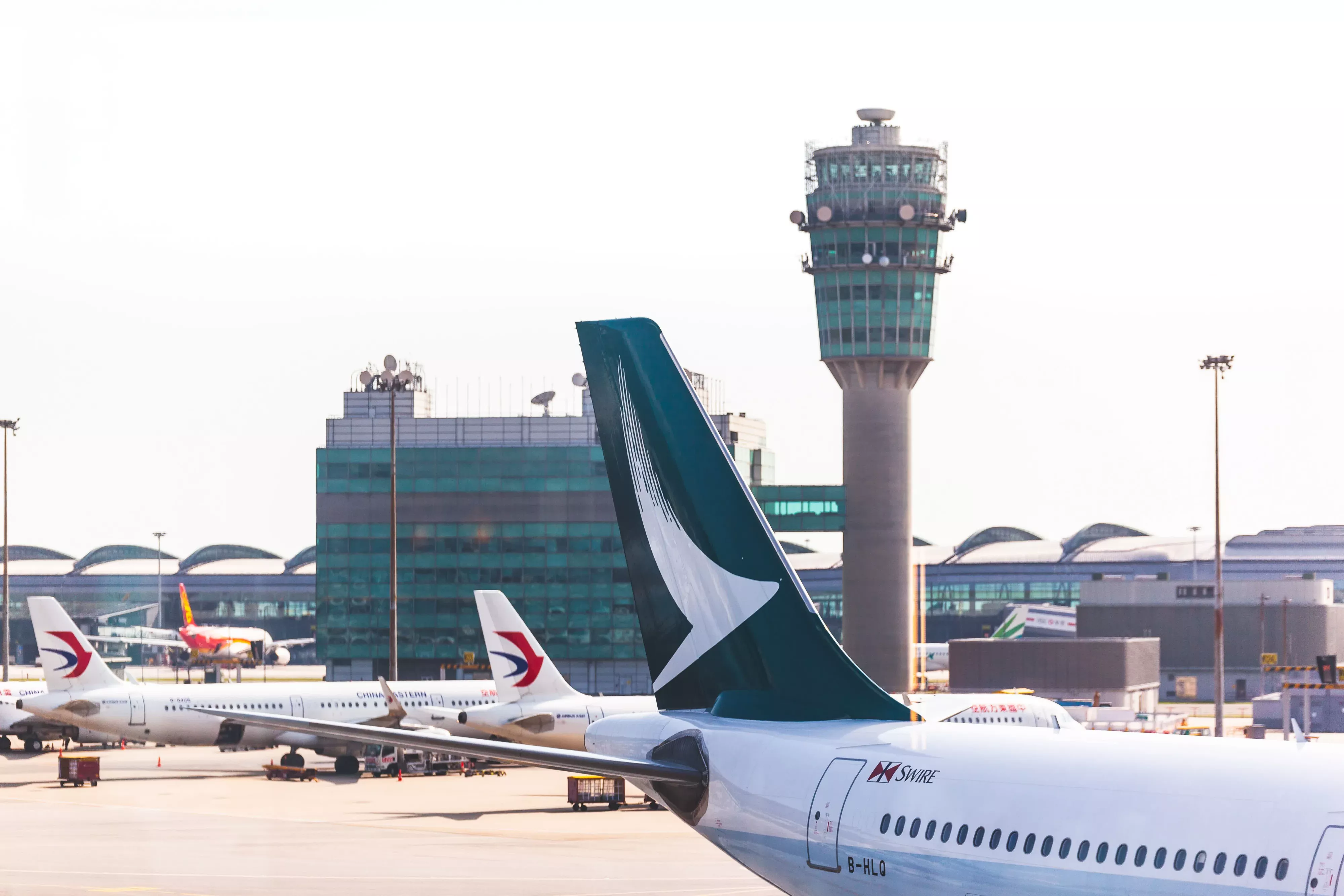
Police didn't reveal further details, but the person they detained might have been playing the latest Call of Duty title, Modern Warfare 4, on Nintendo Switch 2, the first portable device to receive a fully featured mainline entry. Critics have described Modern Warfare 4's campaign as the best in years, and the game launched to a warm reception on Steam on October 23. While being able to play the latest Call of Duty campaign on a flight might be novel enough to discuss over FaceTime, people should remember to avoid threatening-sounding language while traveling on public transportation, especially in Europe.
More than 20 flights between several European countries have been disrupted or diverted following hoax bomb threats over the past week. Most involved emails from unidentified individuals or groups claiming a bomb was aboard a plane, impacting flights to and from the United Kingdom, Ireland, Spain, Portugal, France, Belgium, Italy, Austria, the Czech Republic, Romania, Serbia, Bulgaria, Greece, Poland, Denmark, and Finland. Broadcasters in the UK and Ireland also received threats, but no explosives were found in any of the incidents. While no perpetrators have been identified, suspicion has turned toward Russia.
Although the Ontario incident occurred on a different continent, authorities may have understandably approached the situation with extra caution.