
Ripple effect: Earlier this year, the Artemis II mission carried astronauts around the Moon and back for the first time in more than half a century. According to researchers, the historic mission also took a "heavy" toll on our planet's outermost ionized atmospheric layer.
This April's Artemis II mission caused two large holes in Earth's ionosphere, resulting in significant disturbances that could affect GPS positioning accuracy. A new study by Taiwan-based researchers highlighted how modern launch systems can impact the atmosphere, and how future exploration missions are going to affect one of the most important orbiting systems in everyday life.
The study was published in the pre-print online edition of the Geophysical Research Letters journal by a team of scientists working at Taiwan's National Cheng Kung University. The researchers used a network of ground-based, high-precision GPS receivers to detect the impact of the Artemis II launch. The same network is currently used by US scientists to measure tiny movements in Earth's tectonic plates during earthquakes.
The ground-based network can detect how free electrons in the ionosphere are affected by a rocket piercing through the atmosphere, measuring the delay in GPS signals traveling from orbiting satellites to the receiving network. The ionosphere is the ionized part of Earth's upper atmosphere, ranging from 48 km to 965 km (around 30 to 600 miles) above sea level.
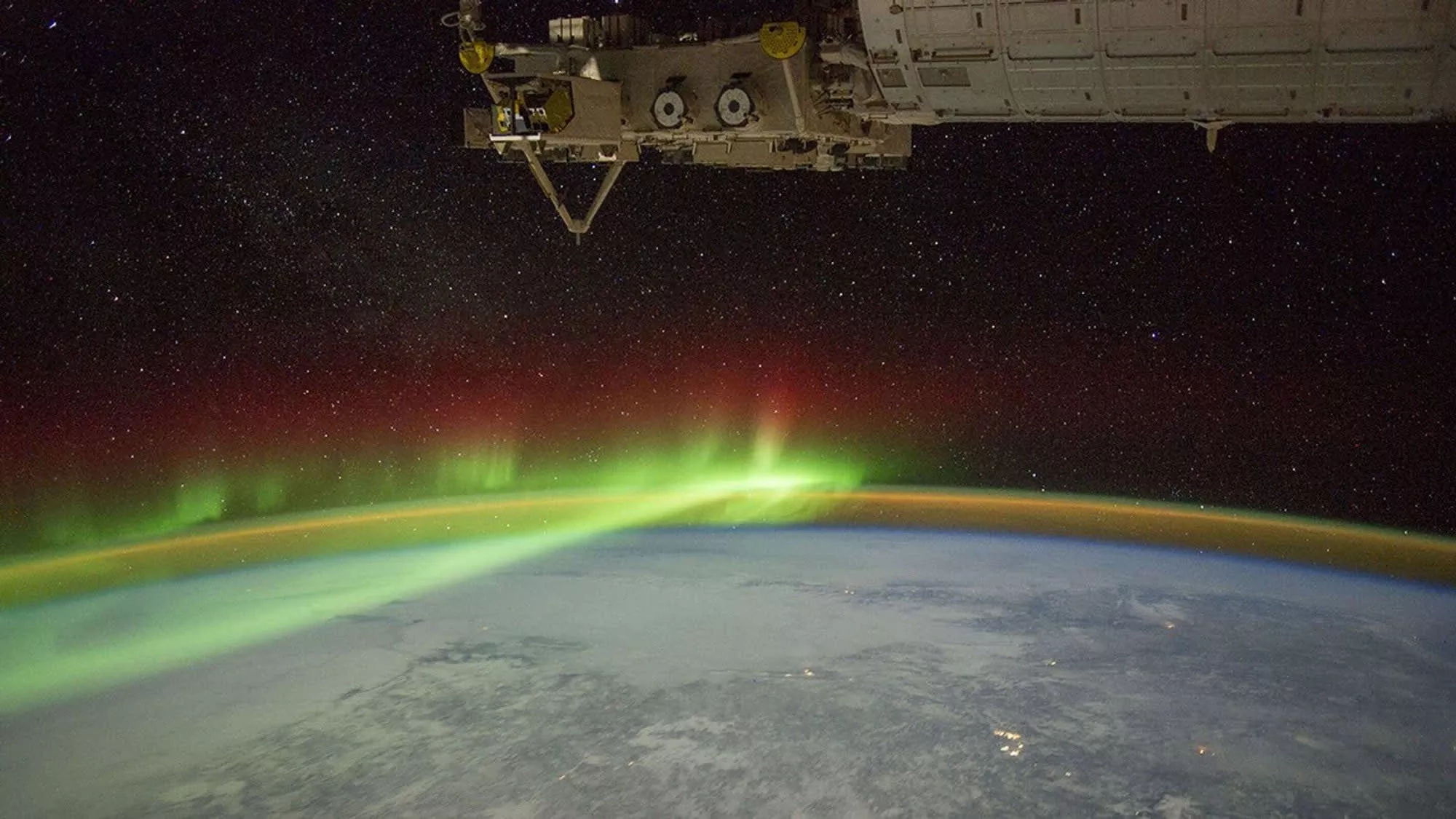
The ionosphere plays a crucial role in the propagation of radio signals traveling around the globe, and any disruption to its electromagnetic field can also affect GPS signals. According to the new study, the initial Artemis II launch was more powerful than any other rocket launch to date. NASA's Space Launch System (SLS) caused a disturbance in the ionosphere that was ten times more severe than the ones observed during SpaceX's Starship tests.
The researchers said that Artemis II caused two big electromagnetic holes in Earth's ionosphere. The first event was caused by the 65-meter-long (213 foot) core stage of the SLS launcher, while the other one was left behind by two subsequent thruster burns of the system's upper stage. Both these holes spanned 5,000 km (around 3,107 miles) and were enough to cause the GPS system to miss the reported ground position by several meters.
According to professor Charles Lin, one of the co-authors of the new study, the disrupted GPS signal "could have a strong impact not only on self-driving cars but also on drone positioning."
"A positioning error of a couple of meters is enough to cause an autonomous car to change lanes," Lin said.
The GPS satellite constellation orbits the planet at around 20,200 km (12,552 miles) above sea level, far above the ionosphere. However, GPS signals have to travel through all the layers of the lower atmosphere before reaching users' smartphones, ground stations, and self-driving cars. Lin now expects that future missions, including those going to the Moon's surface and Mars, will likely increase the potential disruption of the GPS service.