
Thanks, AI: The Raspberry Pi is a widely popular platform for custom computing devices and other DIY projects. Unfortunately, the UK company is making some of its most successful products more expensive. A Raspberry Pi 5 now costs significantly more than when the device was first introduced.
Earlier this week, Raspberry Pi co-founder and CEO Eben Upton announced another price hike, this time affecting the 16GB variant of the Raspberry Pi 5. The company's highest-capacity single-board computer will cost $80 more, bringing the final price to $385. A "puny" SBC now costs more than a complete mini PC, although Upton hopes the increases can be reversed eventually.
The latest increase follows a long list of hikes announced over the past year. The original Raspberry Pi 5 launched in 2023 at $80 for the 8GB model, while the 16GB version debuted in January 2025 at $120. The latter is now one of the most expensive products Raspberry Pi has ever sold.
Upton said the company was essentially forced to raise the price. It still lacks a suitable alternative source of 16GB DRAM modules and, like the rest of the IT industry, is dealing with several component shortages. At least Raspberry Pi is trying to avoid "blanket" price increases across its entire product line.
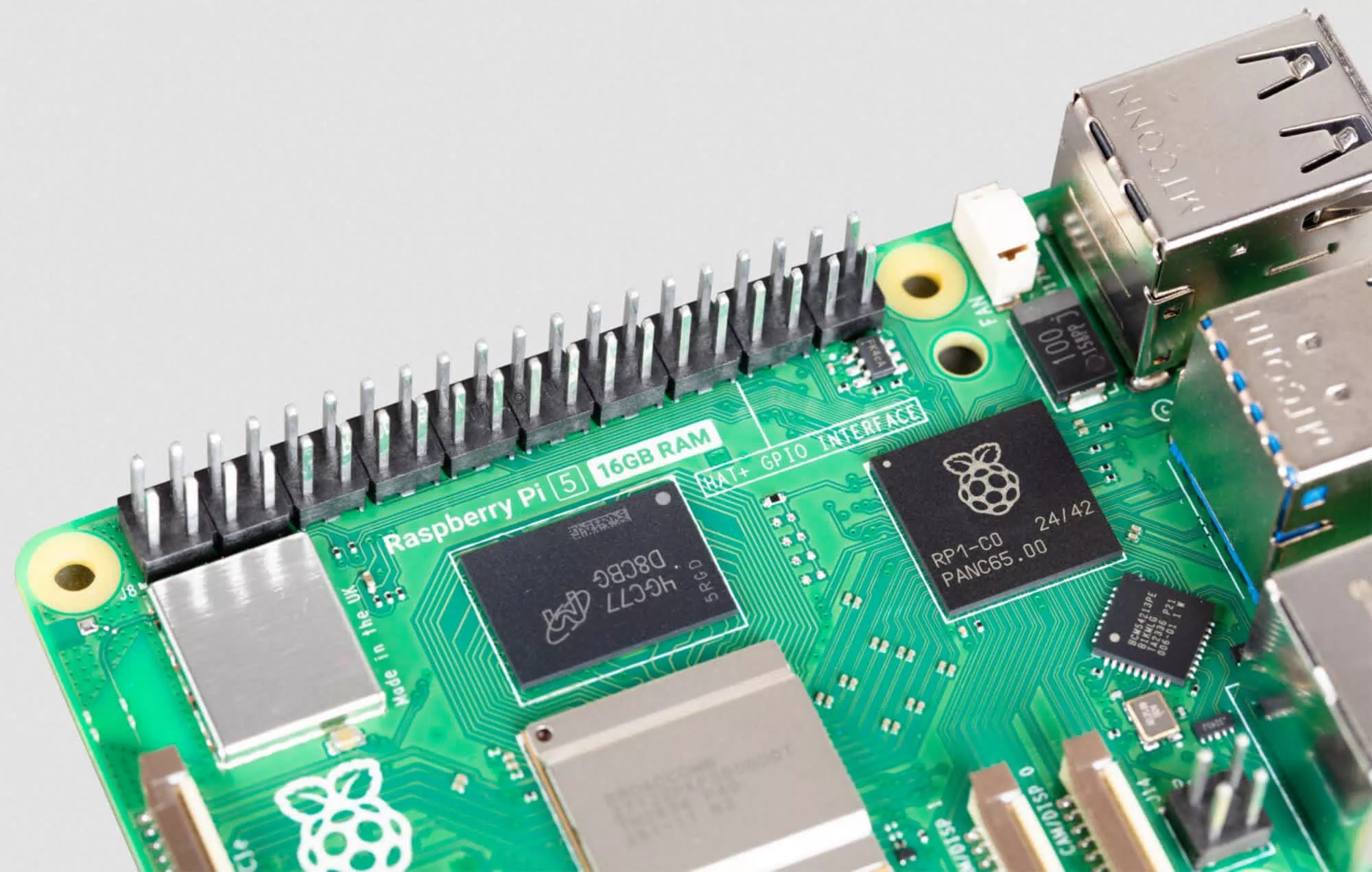
The Pi 5 is one of the company's most popular SBCs, and the 16GB model is its top configuration, which means Raspberry Pi is going through a lot of supply chain trouble to keep bringing new boards to customers. The 16GB Compute Module 5 is also getting a $40 increase, while the premium all-in-one Raspberry Pi 500+ stays at its current price despite packing 16GB of RAM.
Either way, the new increases will be felt by DIY enthusiasts and custom device manufacturers alike. The change was "unavoidable," Upton said, but existing users can try to avoid spending more by optimizing memory use or moving to lower-density Pi variants in their projects. Developers can also ask for help on Raspberry Pi's forums, where the company's engineers often answer questions directly.
Upton described today's memory market as extremely complex and difficult, but said the problem is ultimately temporary. Price hikes could eventually be rolled back if and when memory chip costs normalize, hopefully in the not-so-distant future.