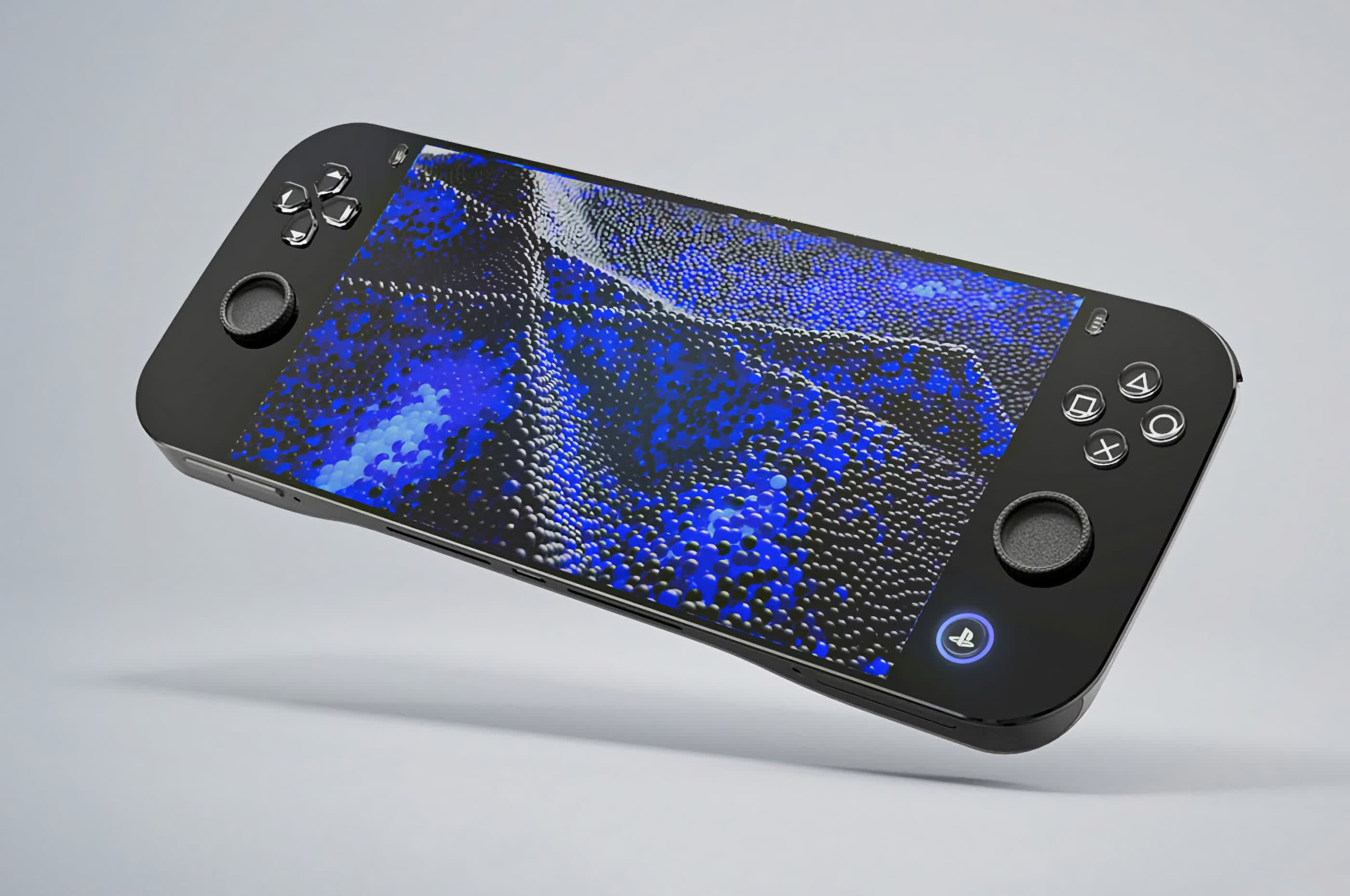
Winners & losers: Handheld PC gaming enthusiasts have long speculated that mobile SoCs based on AMD's upcoming RDNA 5 architecture could deliver generational performance gains for the Steam Deck 2 and its rivals from other PC makers. But recent comments, some disputed, suggest that Sony's next handheld may have mobile RDNA 5 all to itself for the foreseeable future.
According to Digital Foundry, Sony might have some kind of exclusive access to the mobile variant of AMD's upcoming RDNA 5 architecture. The nature of that exclusivity remains unclear, however. Sony and AMD may have a formal deal, or Sony may simply be the only manufacturer able to justify a dedicated RDNA 5 chip.
The comment, made in DF's Direct podcast, sparked speculation that competing devices, such as a potential Xbox handheld, the Steam Deck 2, or successors to other handheld gaming PCs, might be forced to settle for RDNA 4m.
Earlier statements from trusted leaker Kepler_L2 also fueled theories that only Sony could meet AMD's shipment requirements for bleeding-edge mobile SoCs, though it remains unconfirmed whether those requirements apply to Valve or other PC makers.
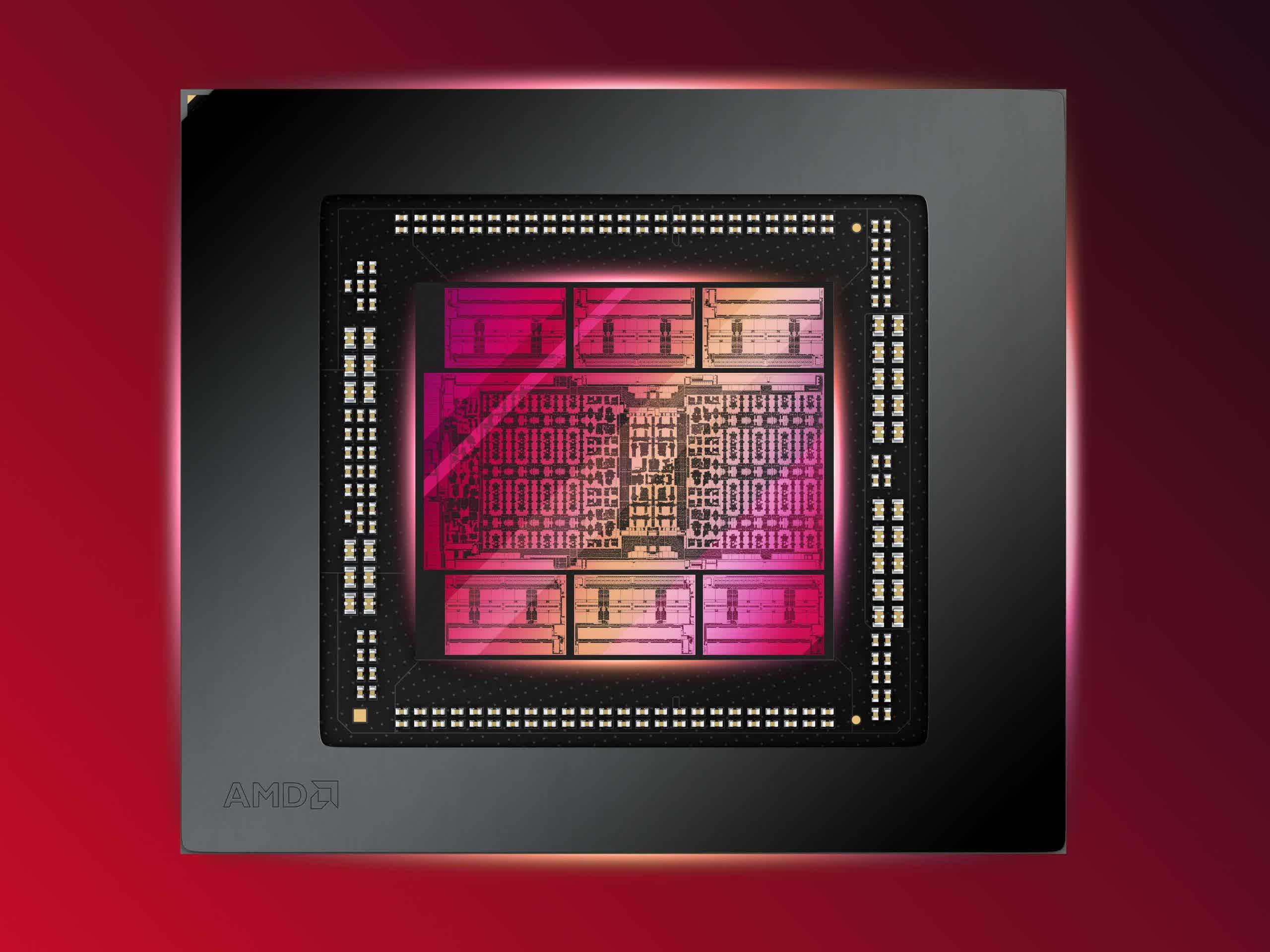
In any case, Sony's previously leaked 15W chipset, codenamed Canis, is the best-documented mobile RDNA 5 design in development. Expected to outperform the Xbox Series S, it reportedly features four Zen 6c CPU cores clocked at up to 2.2GHz, 12 to 20 RDNA 5 GPU compute units, and LPDDR5X-7500 memory on a 128-bit bus.
It's still unclear whether the device will support PlayStation 5 games, PS6 games, or titles from either console that developers could update and optimize manually.
Meanwhile, other reports suggest AMD plans to debut RDNA 4m with a set of SoCs named Ryzen Z3 and Z3 Extreme, possibly in early 2027. The chips would combine RDNA 3.5's GPU architecture with RDNA 4's machine learning capabilities, enabling greater performance gains from FSR 4.1 than RDNA 2. There are reasons to both believe and doubt that a customized Z3 variant codenamed "Gainsborough" might power the Steam Deck 2.
Valve has repeatedly said it won't move forward with a successor to the RDNA 2-powered Steam Deck until an APU arrives that delivers generational performance gains without sacrificing battery life. If the company can't get its hands on RDNA 5, speculation based on Gainsborough's specifications suggests it might double the Steam Deck's performance at the same power draw.