
A new way to play: Tears of the Kingdom can now sit on an iPhone's home screen as its own app, complete with an icon. A new open-source project called nxnative turns Switch games you own into native apps for iPhones and iPads. There's no emulator involved: each game's original code runs directly on Apple's chips. The same process can also create Mac apps.
This works because the Switch and Apple's recent devices both use Arm-based processors, meaning a game's instructions are already compatible with an iPhone's chip. PC ports like the recent AI-built Link's Awakening don't get that head start and must translate the code first, since most PCs use x86 processors.
On an iPhone or Mac, only the Nintendo-specific components need replacing. A small host program effectively stands in for the Switch's operating system, while the console's graphics are translated to Apple's Metal API instead of using Nintendo's own graphics interface.
The tool only started gaining attention over the weekend after tech account Techjunkie Aman posted about it on X. Even so, its GitHub page already lists more than 60 tested games, including Mario Kart 8 Deluxe, Metroid Dread, and Super Mario Odyssey. With a specific game update, Breath of the Wild, Tears of the Kingdom, and Fire Emblem Engage can even jump from the Switch's 30 fps to 60 fps.
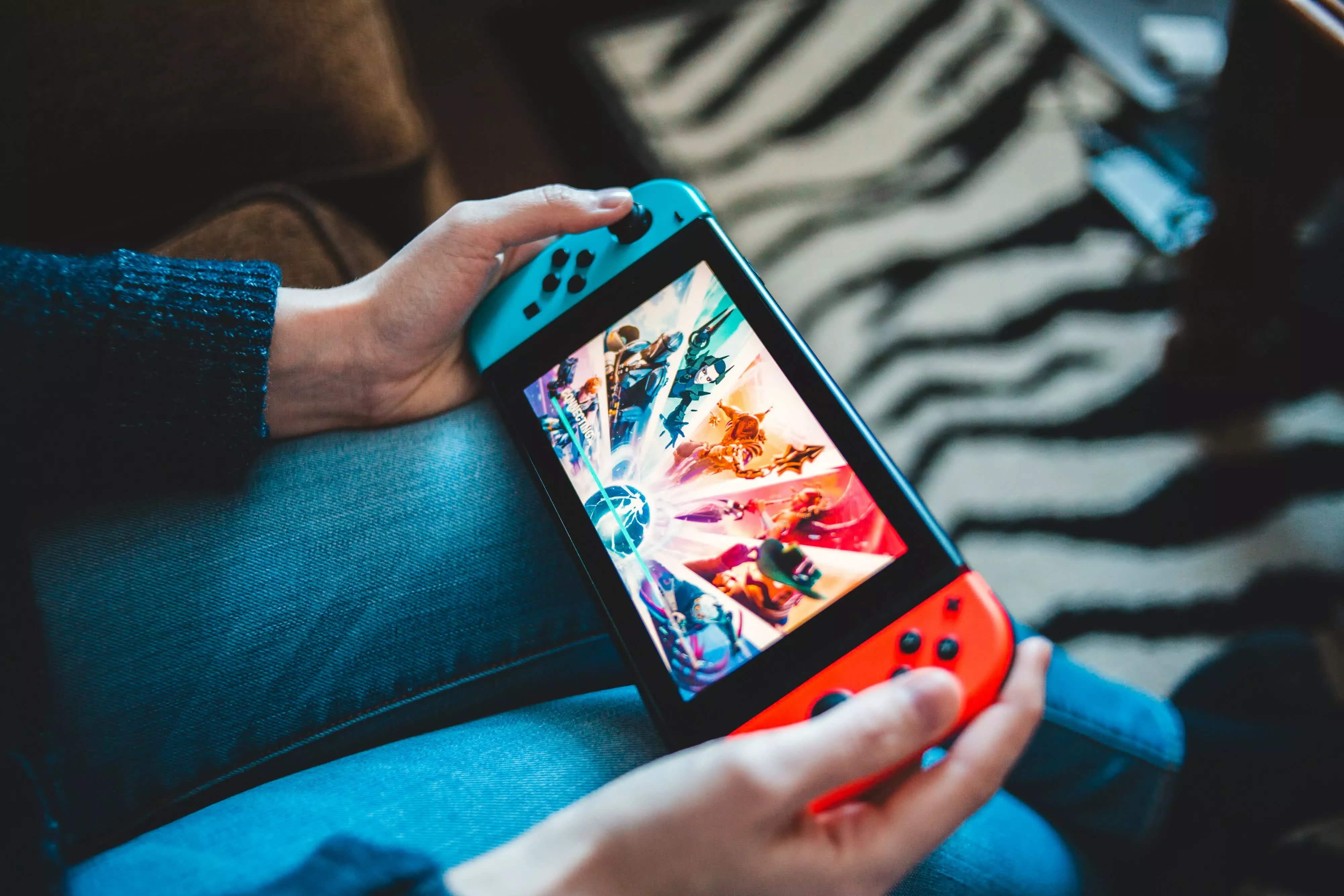
Setting everything up takes some effort, though. You'll need your own game files and the decryption keys extracted from your own console, along with a Mac running Xcode to execute the build script. The initial build alone can take up to an hour.
The finished app must then be sideloaded – that is, installed from outside the App Store – using a tool such as AltStore or Sideloadly. The apps run only on an iPhone 15 Pro or newer, or an iPad with an M1 chip or newer, running iOS 26 or iPadOS 26. That's because older iPhones can't handle the compressed textures these games use. Even on supported devices, amiibo functionality and online play aren't available.
Building a Mac app requires just one additional command during the build process. Mac gaming YouTuber Andrew Tsai built several apps this way and got Monster Hunter Rise running at a locked 60 fps on a base-model M1 MacBook Air with just 8 GB of RAM. He also managed to get the console-exclusive tactics game Unicorn Overlord running natively.
Of course, the project isn't affiliated with Nintendo. Every build starts with files supplied by the user, so the project itself distributes no game data. The Switch emulator Yuzu didn't distribute games either, but its developers still agreed to pay Nintendo $2.4 million in 2024 to settle a lawsuit.
A few months later, rival emulator Ryujinx went offline after Nintendo contacted its lead developer. Ironically, nxnative still relies on code from Ryujinx to translate each game's graphics.