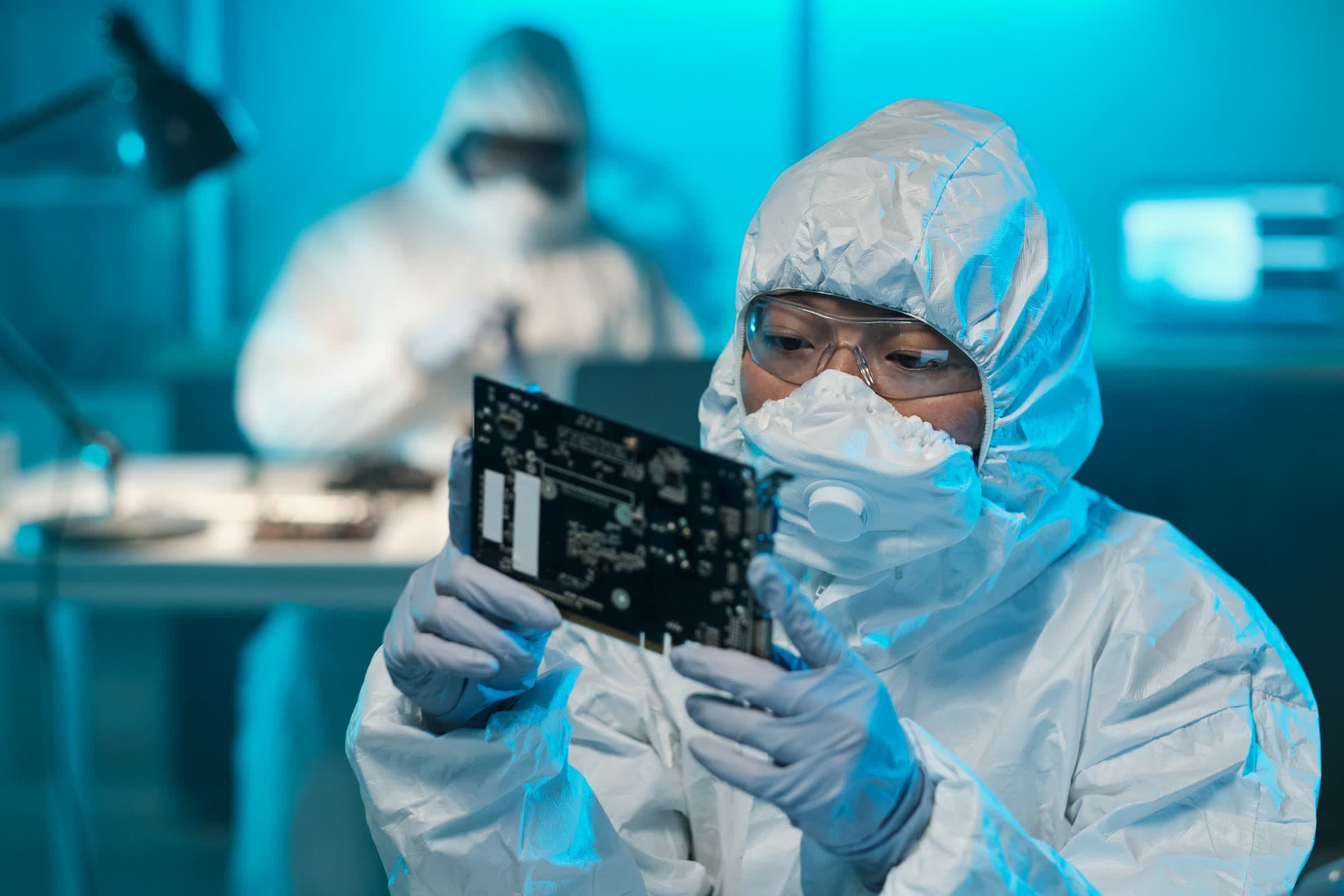
What just happened? The FCC's crackdown on Chinese electronics testing labs continues to move forward, this time with a proposed deadline for cutting them out of the US approval process. The commission will vote on October 29 on rules that would force manufacturers to move testing out of mainland China by December 2028. With 82% of devices authorized last year tested in the Asian nation, it could be a relocation headache for the companies affected.
The restrictions would cover test labs and certification bodies in countries that deny reciprocal treatment to their US counterparts. Chairman Brendan Carr says fewer than 4% of electronic devices are tested in American labs.
If this all sounds familiar, there's a reason. In May 2025, the FCC initially targeted labs owned, controlled, or directed by blacklisted companies and foreign adversary governments. There was also a separate proposal to extend restrictions to every lab in China.
In April 2026, the FCC voted to advance broader restrictions and seek public comment. The latest action would turn that proposal into adopted rules, assuming commissioners approve the draft, with a transition ending December 1, 2028.
Compared with the original 2025 restrictions, the broader proposal focuses on where the testing happens. Under the draft, recognition would be limited to labs in the US or economies with reciprocal recognition agreements. That means a Western company operating a lab in mainland China would still be affected.
Previous reports described the proposal covering China and Hong Kong, but law firm Steptoe notes that the latest draft includes Hong Kong and Taiwan among eligible reciprocal economies. Mainland China remains excluded, of course.
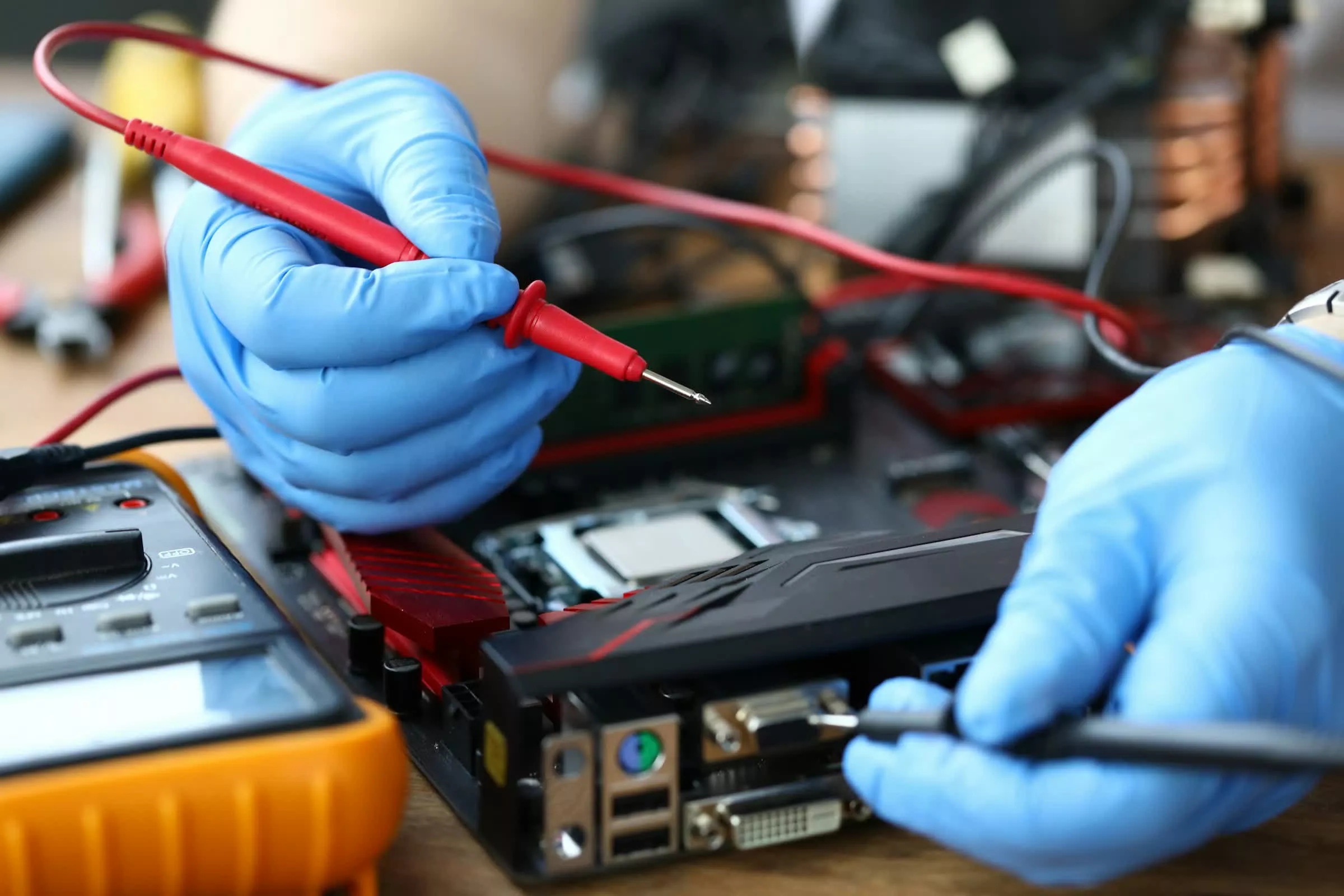
The draft would prevent approved labs from carrying out substantive certification work in excluded countries, including measurements, technical analysis, and preparation of test reports. However, routine administrative work and research testing outside the certification process would remain exempt.
The FCC argues that concentrating so much testing in one country creates security and disruption risks. Its earlier ownership restrictions have already cost 29 labs their recognition, according to the agency, but most Chinese facilities remained eligible.
The proposed transition gives manufacturers roughly two years to find alternatives. Existing certifications would remain valid, so devices already approved wouldn't suddenly need another trip through a testing lab.
Getting future hardware cleared for sale could be an issue, though. Moving testing away from factories might add expense and delays, particularly for smaller companies. And while consumers would keep their existing devices, the cost of approving the next ones could eventually reach store shelves.