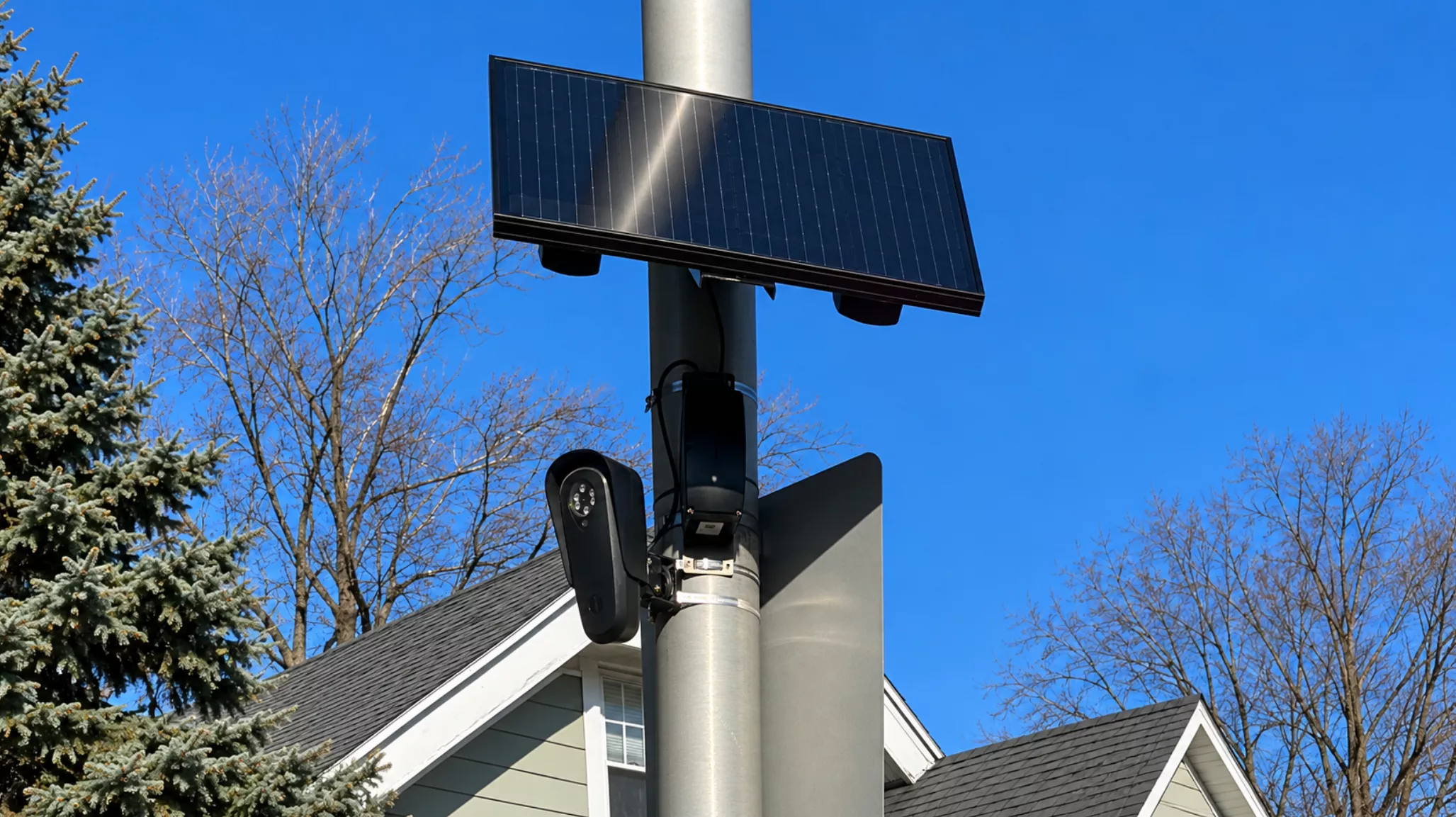
What just happened? Flock's not been going through a good time recently. But before you start playing the tiniest violin in the world for the surveillance company, here's some more good news. A US District Judge has ruled that a warrantless search of automated license plate reader (ALPR) systems violated the Fourth Amendment, and has thrown out the resulting evidence in a drug trafficking case.
Judge Sara Hill's October 1 ruling concerns Melisa Susan Kyle, whose California-plated Mazda SUV attracted Tulsa County Deputy Sheriff Freddie Alaniz's attention. Hill said he initially followed it for no apparent reason beyond its out-of-state plate. It seems being from California was enough to warrant a look through someone's travel history.
Alaniz queried two ALPR systems while he was tailing the vehicle: Flock and VehicleManager.
The searches produced a travel log containing more than 50 sightings spanning the previous month. The records showed the Mazda traveling from Locust Grove, Oklahoma, toward the California-Arizona border, then heading back toward Missouri after a short visit.
Alaniz subsequently stopped Kyle over alleged signaling and following-distance violations. While questioning her, he continued checking the location records and treated the lengthy drive for a brief California stay as evidence of possible drug trafficking.

Kyle explained that she had visited relatives and enjoyed the journey itself. Alaniz returned her license with a warning, then asked to search the SUV. When she refused, he detained her for a dog sniff. The dog alerted, officers searched the vehicle, and authorities reported finding 91 pounds of methamphetamine.
Hill found the initial traffic stop justified, but ruled that Alaniz lacked reasonable suspicion to prolong it. Separately, she found that searching Kyle's historical location records without probable cause or a warrant violated her Fourth Amendment rights.
The government argued that vehicle movements on public roads aren't private. Hill said older decisions involving simpler tracking technology failed to adequately account for the reach of modern camera networks.
"This is a type of indiscriminate mass surveillance," she wrote in the ruling.
Hill ordered the ALPR evidence and evidence from the subsequent vehicle search suppressed.
The ruling doesn't bind courts nationwide. Flock told 404 Media that it wasn't a party to the case and expects the decision to be appealed and overturned, pointing to other rulings supporting the technology.
The latest incident follows reports of officers entering "LMAO" and "idk" to justify Flock searches, alleged use of the system to stalk former partners, and hackers recovering thousands of video clips from a physically obtained camera. It's little wonder that cities are dropping the cameras at a record pace.