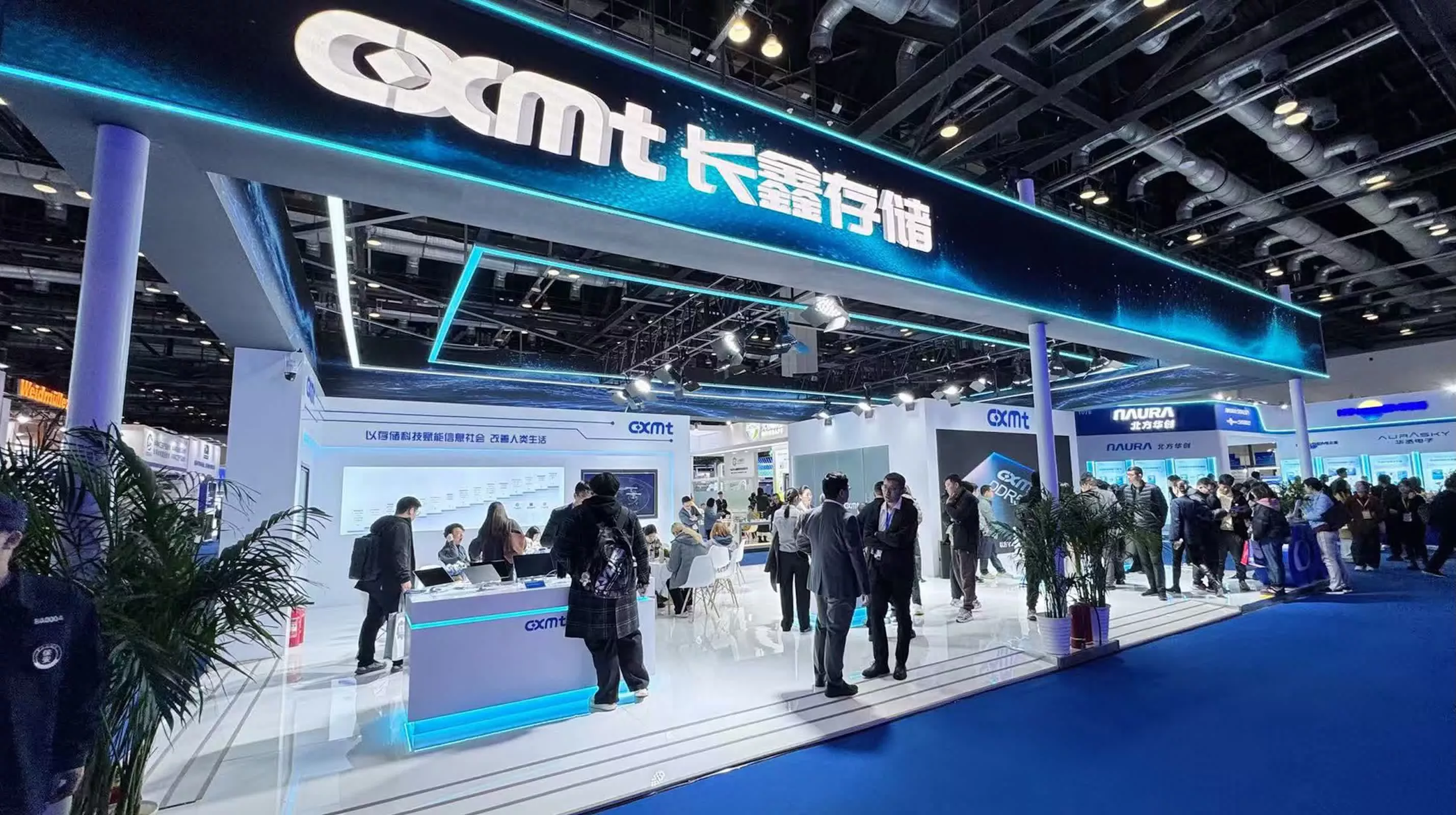
Looking ahead: CXMT is positioning itself as a possible new memory supplier for Apple as the Chinese DRAM maker expands production and pushes into newer mobile and high-bandwidth memory technologies. Its investments in advanced memory and large-scale manufacturing have made it a more credible option for global electronics companies, even as it remains far smaller and less proven than established industry leaders.
For Apple, the prospect underscores how China's domestic chip industry is beginning to create new supply-chain choices – and new political complications – for the world's biggest technology companies.
The company did not name Apple in a recent statement, but said it is willing to work with major customers around the world. "We take an open approach to exploring collaboration opportunities with top-tier customers worldwide," CXMT said. "Our products are already capable of competing with leading global suppliers in terms of performance, quality, and supply reliability."
Reports have linked the two companies in recent weeks. Apple is reportedly considering the supplier for some of its China-related memory needs, which could give them more options when negotiating with Micron, Samsung, SK Hynix, and Kioxia.
The potential relationship comes as CXMT builds out its manufacturing base. The company is expected to have a capacity of about 300,000 300mm DRAM wafers per month by the end of the year across three fabs. Each facility is estimated to have a capacity of roughly 100,000 wafers per month.
– Jukan (@jukan05) September 7, 2026
CXMT is also adding high-bandwidth memory capacity. Its HBM production is expected to reach about 50,000 wafers per month by the end of 2026. The company is constructing two additional fabs in Shanghai and Hefei that could eventually raise total output to 600,000 wafers per month.
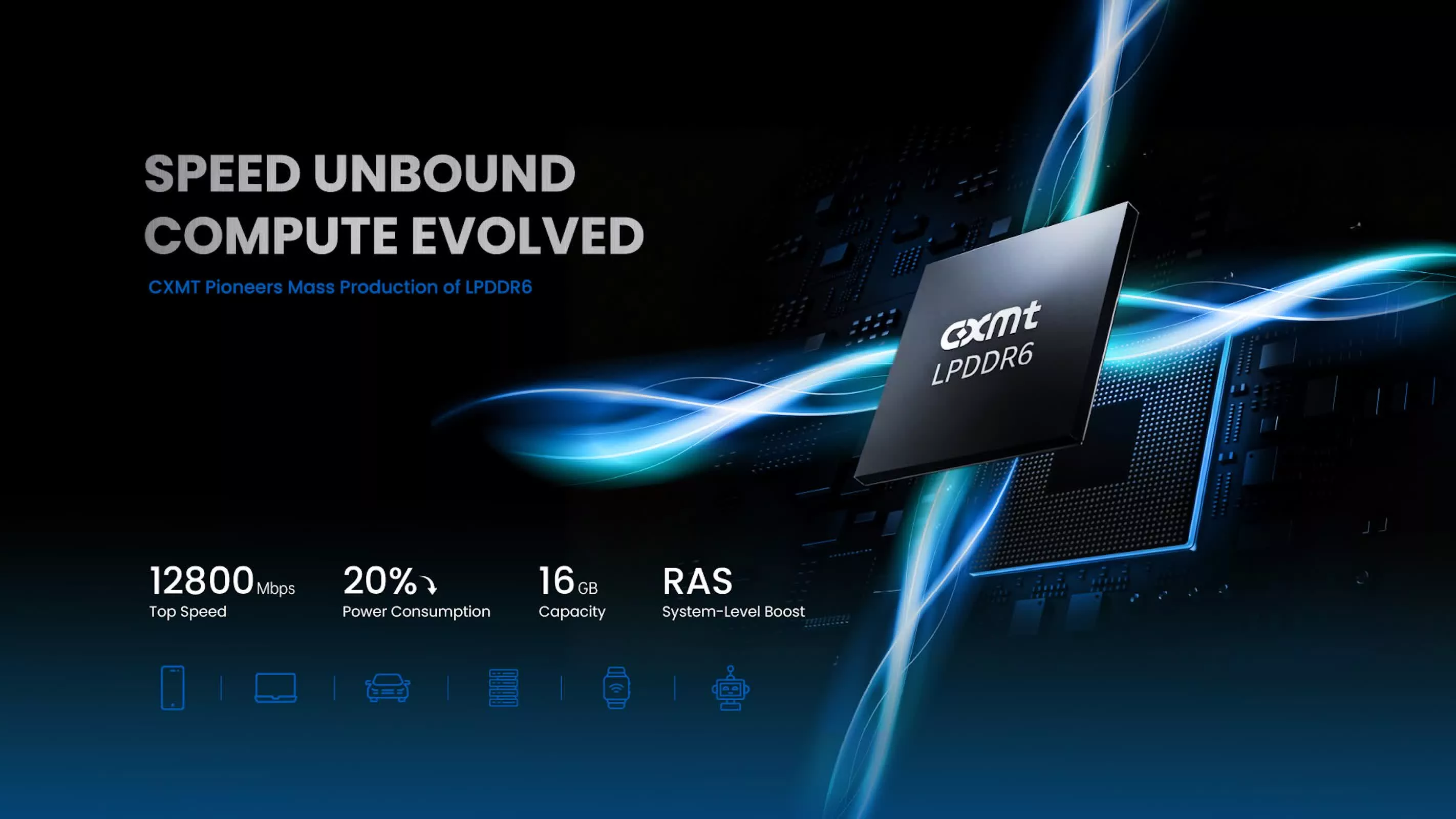
CXMT is already mass-producing LPDDR5X, the low-power memory used in phones and other portable devices. It has also reportedly begun production of LPDDR6 and plans to start volume production of HBM3 later this year.
LPDDR memory is important for Apple because it affects both device performance and power consumption. Apple would need a supplier that can meet its requirements for speed, consistency, and energy efficiency at high volumes. CXMT's stated goal is to demonstrate that it can compete with established memory suppliers on those measures.
The company is also working to improve its manufacturing technology. CXMT is reportedly using high-k metal gate technology as it moves toward more advanced DRAM process nodes. The method uses materials such as hafnium oxide in place of older silicon-based insulating materials. It is designed to reduce current leakage, minimize heat generation, and improve power efficiency.
Still, CXMT may not have enough uncommitted capacity to supply a large share of Apple's needs in the near term. Its output is reportedly booked through 2027, with its fabs operating at about 95% utilization. Apple's China-related memory demand is estimated at about 600 million GB, based on 50 million devices using an average of 12GB of memory each.
That suggests any agreement would likely begin with a limited role for CXMT. Apple could use the supplier for a portion of its China production while continuing to rely heavily on Micron, Samsung, SK Hynix, and Kioxia.
The reported talks also have political implications. The Trump administration is reportedly weighing whether Apple should be allowed to buy memory from CXMT and YMTC as part of broader discussions with China ahead of President Xi Jinping's planned visit to the US later this month.
For Apple, the appeal is clear: another memory source could improve its bargaining position and reduce its dependence on a small group of suppliers. For CXMT, even a limited Apple order would validate its efforts to become a serious competitor in the global memory market.