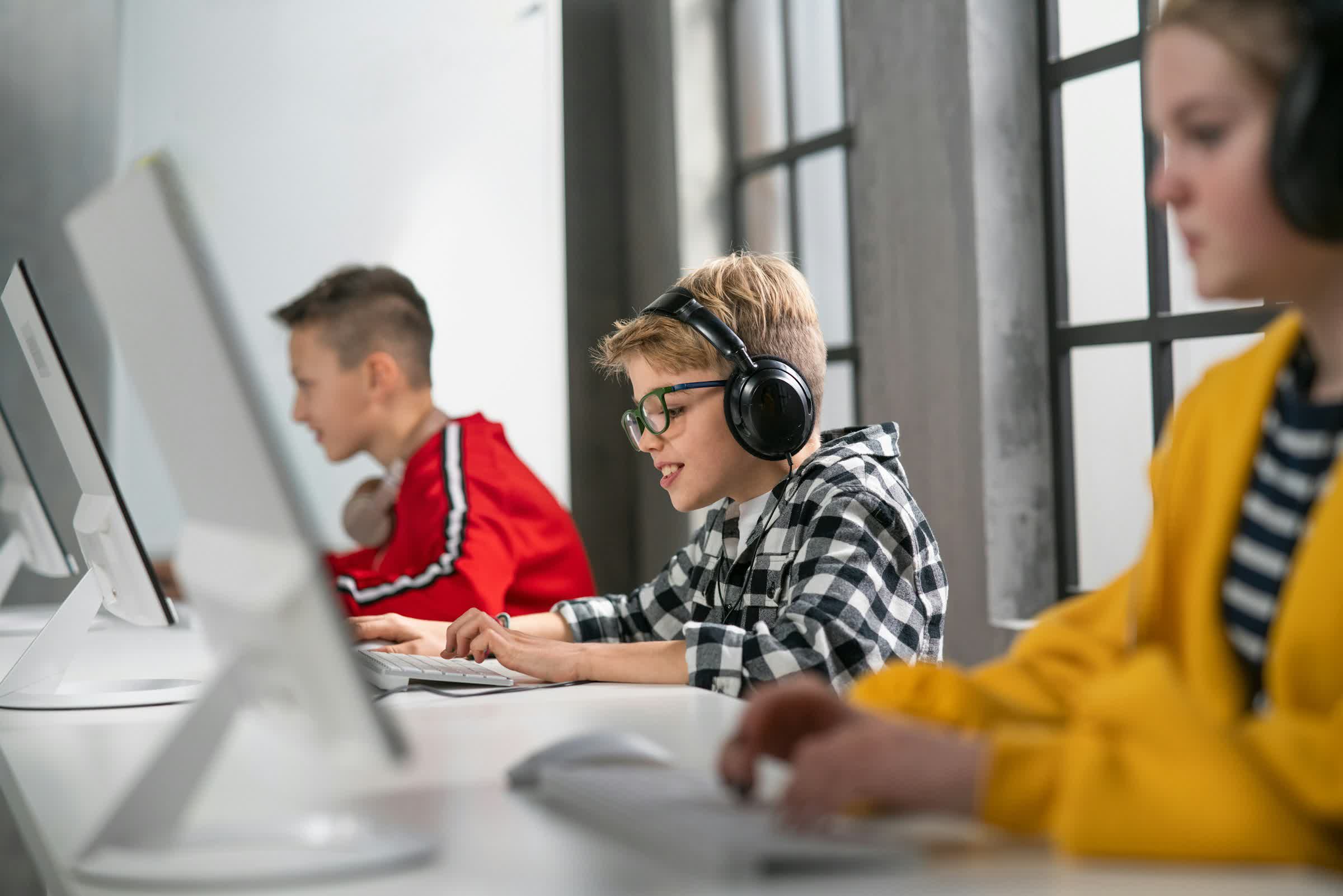
What we know so far: New York City has introduced a way to prevent elementary and middle school students from relying on AI – they'll be banned from using it during the upcoming school year. Officials want to limit classroom dependence on generative tools and encourage children to develop their own critical-thinking and problem-solving skills.
New York City's policy is a one-year moratorium for the 2026-2027 school year, rather than being a permanent or statewide ban. Students in public schools from preschool through eighth grade cannot use student-facing generative AI.
High school students, meanwhile, can use only approved tools in supervised pilot or career-readiness programs, and all high schoolers will receive twice-yearly basic AI-literacy lessons. AI companion chatbots are banned across every grade.
The policy also limits individual screen time for younger students: 45 minutes in class for middle schoolers, and 30 minutes for elementary school students. There are exceptions for accessibility tools, assessments, remote learning, and approved activities such as coding and robotics.
Teachers are also affected by the new rules. They may use approved AI for planning but not for grading, behavior monitoring, or important decisions about students.
A coalition will review the policy and pilots and issue recommendations in April 2027, which will help determine what happens the following school year.
"We're putting guardrails in place to protect the critical human connection, curiosity, and creativity that helps children grow," Schools Chancellor Kamar Samuels said in a statement.
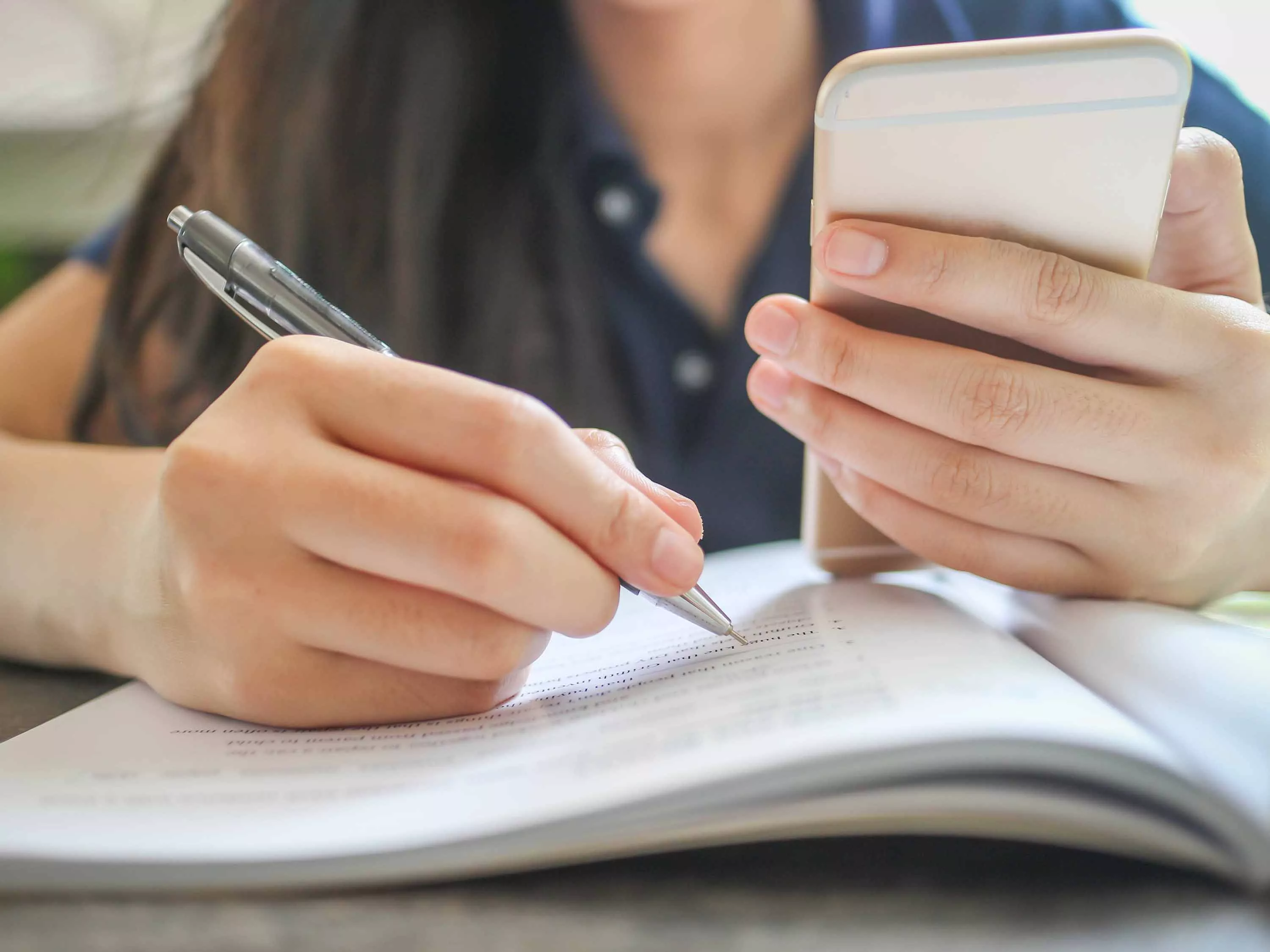
"Each day when our children come to school, we teach them to ask questions, to challenge assumptions, to interrogate the premise, to ask why. When it comes to AI in our schools, we hold an obligation to do the same," said Mayor Zohran Mamdani.
This isn't the first time that New York has banned AI from its public schools. At the start of 2023, ChatGPT was prohibited from use by students, but the restriction was later reversed after officials concluded that the initial response had focused too heavily on risks such as cheating, inaccurate information, and weakened critical-thinking skills.
The Los Angeles school district is also temporarily blocking access to generative AI tools on student devices across all grades.
Fears of the effect that overuse and overreliance on AI could have on young minds in education have been growing since the technology became prevalent. Studies have suggested that unsupervised or answer-giving AI can weaken independent learning and create emotional or trust-related risks.
Cheating by students is a major fear, especially among older kids; it was considered endemic even back in August 2024. There have been several attempts to try and tackle the problem, from handwritten work, oral tests, and even AI to come up with questions that would be difficult for students to complete by simply feeding them into a large language model. There was also one professor's invisible prompt trap, which proved very effective.