
In a nutshell: Russia's planned satellite internet network is running into early trouble. None of the 16 Rassvet satellites launched in June have reached their intended operating altitude, according to the Institute for the Study of War, which cited data from satellite-tracking service N2YO.
The satellites were expected to operate at 870 kilometers (540 miles) above Earth. Instead, many are orbiting between 300 and 400 kilometers (186 and 249 miles), while some are already losing altitude. Two are now re-entering the atmosphere.
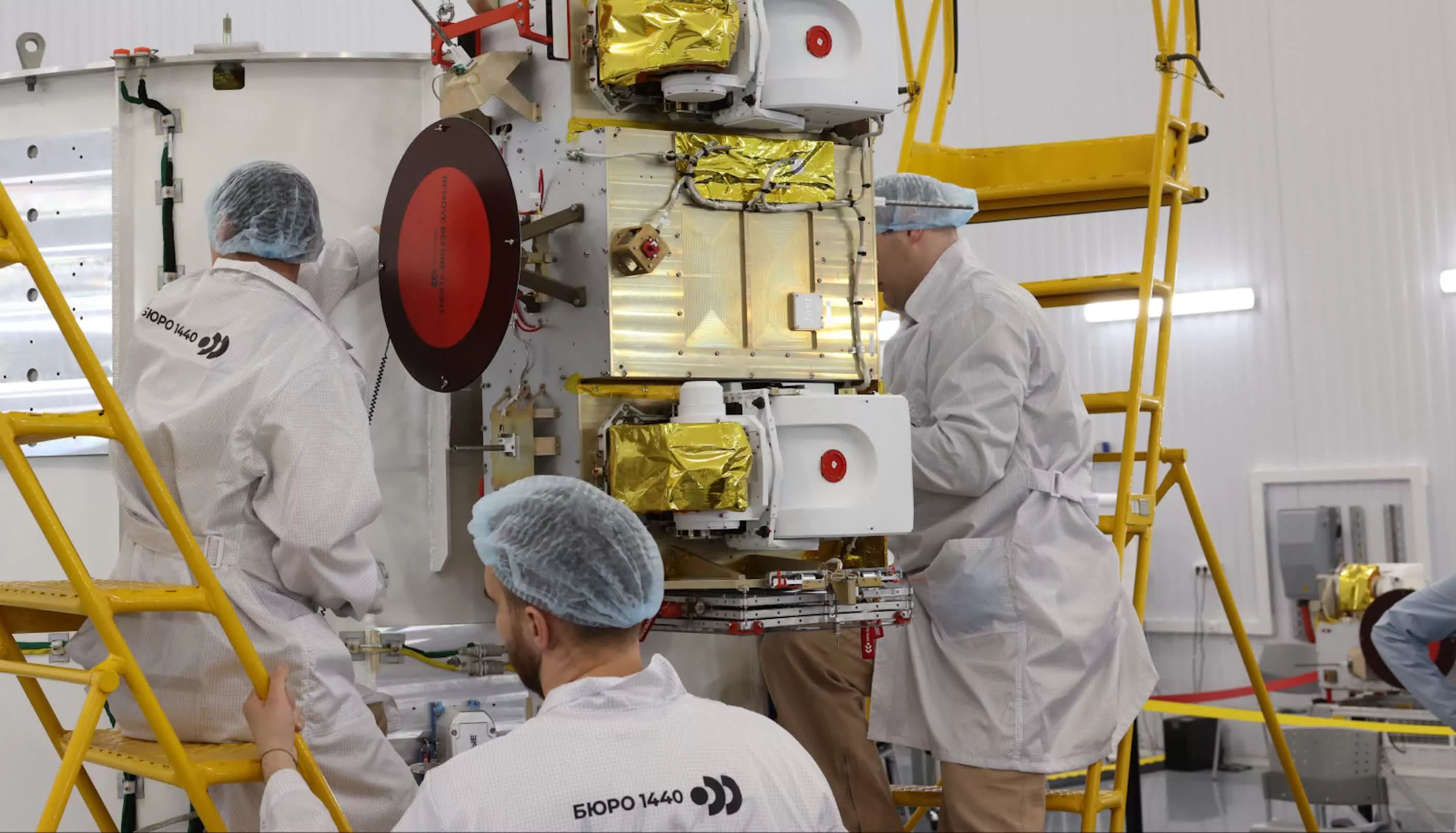
The problems add to concerns about Rassvet, a low-Earth-orbit network being developed by Bureau 1440 as Russia's domestic alternative to SpaceX's Starlink.
A lower orbit can shorten a satellite's working life. Atmospheric drag is stronger closer to Earth, forcing satellites to use more fuel to maintain their position. If the spacecraft cannot reach or hold their planned orbit, they are likely to leave service sooner than intended.
The June group was the second Rassvet deployment. Russia launched the first 16 satellites in March, but that batch has also had problems. One satellite, known as Object 4, fell out of orbit in June. ISW said only 12 of the original 16 reached their expected altitude.
Russia has ambitious plans for the project. Bureau 1440 aims to build a constellation of 900 satellites by 2035 and has set an interim goal of 250 operational satellites in 2027. The early launch results could make those targets difficult to meet.
A functioning broadband constellation needs far more than a few dozen satellites. ISW estimates Russia would need 200 to 300 operational Rassvet satellites to provide steady, 24-hour coverage over Ukraine. At its present size, the network provides only two coverage periods a day, each lasting up to 90 minutes.
That is a major limitation for a system intended to support continuous communications. Satellite networks rely on large numbers of spacecraft moving through coordinated orbits so that one satellite can take over as another passes beyond a user terminal's view. When too few satellites are available, service comes in short windows rather than as a continuous connection.

Russia stepped up work on Rassvet after Starlink introduced a whitelist system designed to block unauthorized use of its network, including by the Russian military. That made a domestically controlled satellite communications system more important to Moscow.

Rassvet remains in the early stages, but its first two launches have exposed issues Russia will need to solve. The program must show it can place satellites in their intended orbits, keep them operational, and launch replacements quickly enough to build a reliable network.
Image credit: Bureau 1440