Meta says the issue has been fixed, but hasn't explained what caused the unwanted recordings
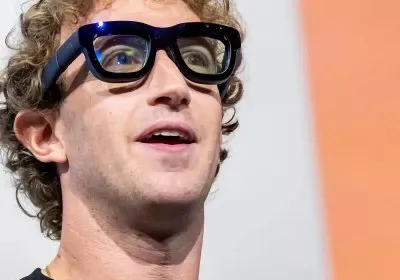
A hot potato: If there's one product that really doesn't need any more negative stories, it's Meta's smart glasses, but here we are. Some users discovered that the wearables were recording their voices without the wake phrase, an issue the company says has now been resolved.
The pause is meant to buy time for an informed debate and a permanent law
The Worst Spectacle: Smart glasses are becoming an increasingly popular wearable for use in public, and privacy is paying the price. Authorities are looking for new regulatory frameworks to curb abuse, and Norway may already be ahead of the pack.
Audio-only AI glasses arrive next month starting at $349, Meta VR glasses packing 5K micro-OLEDs launch next spring at $1,299
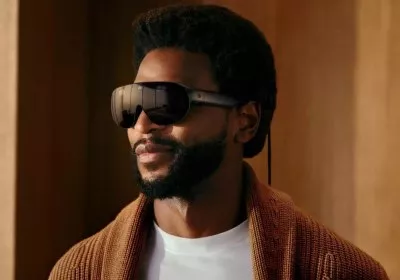
In a nutshell: Meta's Connect 2026 event aimed to address two of the biggest obstacles facing wearable smart devices: privacy for smart glasses and the size of VR and AR devices. The company's upcoming audio-only AI glasses look to put a digital assistant on the wearer's face while avoiding the surveillance concerns that have dogged previous models. Meanwhile, the company's latest VR device directly calls out Apple's failed Vision Pro.
LG strongly denies claims that its smart TVs record ambient audio or secretly harvest user data
WTF?! An investigation by YouTube channel Gamers Nexus has found that LG's smart OLED TVs track users' viewing patterns across streaming platforms, cable, and local media. The televisions also reportedly scan users' home Wi-Fi network, collect information about connected devices without permission, and transmit the data to LG Ad Solutions to push targeted advertising.
Privacy concerns and fears of unfair fines are fueling a backlash against the program
WTF?! Want another reason why there's a big pushback against artificial intelligence? In Dallas, AI-powered cameras mounted on trash collection trucks are photographing properties and assigning them a "blight score" – a rating based on perceived code violations.
The demonstration tested whether adversarial design can defeat computer-vision algorithms
What just happened? Bill Swearingen's noRecognition project is testing whether computer-generated patterns can interfere with software used to identify people, vehicles, and other objects on surveillance cameras. The project received its first public test Friday at the Def Con cybersecurity conference in Las Vegas. Swearingen worked with Donut Media to cover a 2009 Toyota Yaris with one of his patterns and drive it past a Flock camera. "We proved it was effective," Swearingen, a cybersecurity professional and founder of SIXCYBER, told TechCrunch.
A new survey reveals growing frustration with tracking, deepfakes, and time-wasting algorithms
A hot potato: Remember the days when the internet was a fun place full of memes and funny videos, and you couldn't use AI to fulfill the request, "photos or it didn't happen"? Today, many people's view of the net is becoming negative, with 50% of users expecting their data to be exposed, AI making everything hard to believe, and the web stealing too much of their time.