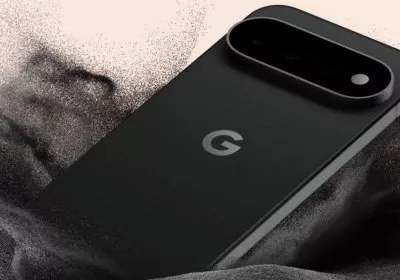
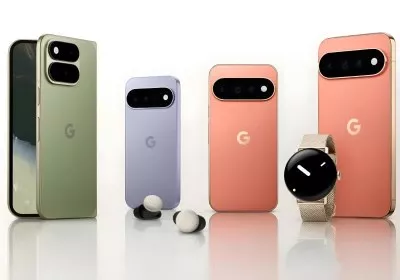
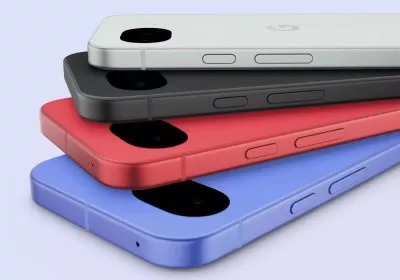
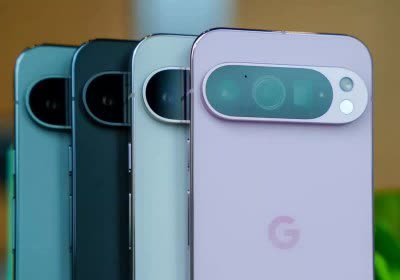
Google's Pixel 11 Pro and Pro XL bring improved cameras, brighter displays, a more efficient Tensor G6 chip, and new Gemini AI features. Reviewers praise the camera upgrades and Google's software experience, but weaker gaming performance, mediocre battery life, less RAM, and higher prices make this generation a tougher sell.
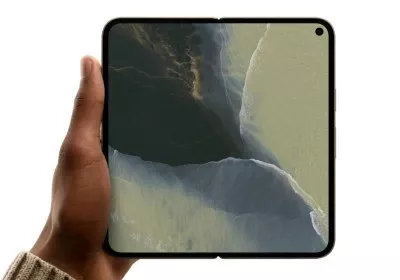
The Pixel 11 Pro Fold is lighter and slimmer, with new AI and multitasking features and IP68 protection. Reviewers say it's a solid device but overly conservative, with average battery life, weak SoC performance, a noticeable crease, and a high price.
Finally, a messaging app with built-in bird-related failure
WTF?! Have you ever marveled at the lightning speeds of modern communications and thought, "I wish this wasn't so fast"? Probably not, but for anyone who doesn't want to resort to posting letters, there's a new app that replicates the message-carrying speed of a carrier pigeon. Adding further realism to the whole thing, there's a small chance that your virtual bird will get lost or die while traveling to its destination, so don't send anything too important.
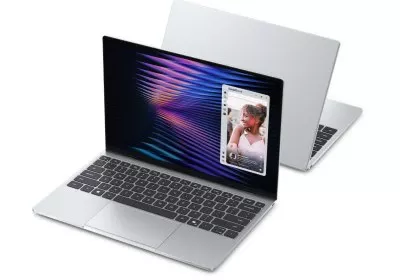
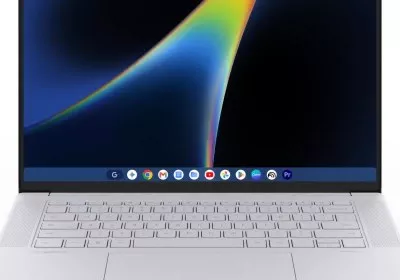
Dell's 2026 XPS 13 earns praise for its compact aluminum design, 120Hz touch display, and strong battery life at a $699 starting price. The entry-level model's 8GB of RAM is a compromise, with some reviewers recommending the 16GB upgrade while still keeping the price under $1,000.
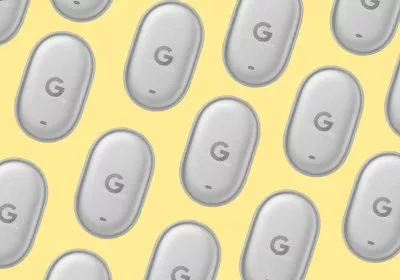
Pixel 11 Pro's new glowing ring shows you when Gemini is active
First look: Google's Pixel 11 series marks the company's most aggressive AI play yet, pairing a new 2nm Tensor G6 chip with deeper on-device Gemini integration across all four models – Pixel 11, Pixel 11 Pro, Pixel 11 Pro XL, and Pixel 11 Pro Fold. It's also the first Pixel generation to drop Samsung's Exynos modem in favor of MediaTek, a move aimed squarely at years of connectivity and heat complaints. Pricing starts at $899 for the base Pixel 11, climbing to $1,099 for the Pro and $1,299 for the Pro XL.
TSMC is sitting on $1 billion worth of finished iPhone chips with nowhere to go
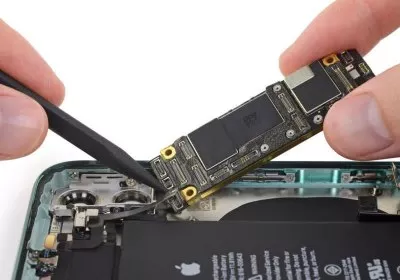
Ripple effect: In the run-up to the launch of the foldable iPhone Ultra, iPhone 18, and iPhone 18 Pro, Apple and its assemblers are working to secure enough mobile DRAM. Apple leans heavily on Micron for these chips and also buys from SK Hynix and Samsung. People involved say they still expect to meet initial demand, but they worry online wait times could stretch and store inventory could run out quickly if the shortage continues.
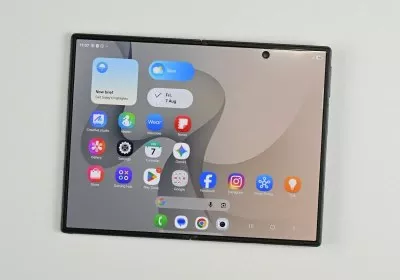
The new Galaxy Z Fold 8 is drawing early praise for ditching the tall, narrow foldable formula in favor of a shorter, wider "passport" shape that is easier to use one-handed when closed, and better suited to video watching when open. At 201g, Samsung says it's also the lightest Fold model yet.
Get Off My Phone: The recently unveiled case brought by the US Department of Justice against a GrapheneOS user is rekindling debate around privacy and effective operational security on mobile devices. The GrapheneOS Foundation has joined that debate, reaffirming some key points about the operating system's security features and whether previously deleted data can ever be recovered.
GrapheneOS is a security focused mobile OS for Google Pixel phones (soon Motorola). Based on Android's open source roots, it adds extensive hardening features, stronger app sandboxing, and granular permissions while allowing users to install Google Play services as regular apps. The project has grown past 400,000 active users. Its tools recently made the headlines after prosecutors treated the OS's remote wipe feature as evidence.