
Bottom line: Chip designers that rely on TSMC and other contract manufacturers are being told to expect wafer prices 10% to more than 20% higher in 2027. In addition, a large order may no longer be enough to secure production capacity at the Taiwanese giant, as the company is reportedly reviewing customers' finances and asking for cash on orders that exceed a set credit limit. Together, the two changes make chips more expensive to build and alter who gets to build them first.
Taiwanese IC design firms have started receiving notices of the increases, with the higher foundry costs expected to take effect in the first quarter of 2027. If design houses cannot pass them on, their gross margins could drop by 4 to 5 percentage points.
Finished products take time to move through the supply chain, so the higher costs should show up in shipments around March or April. Companies are trying to settle new prices with their own customers before April so they do not have to absorb the difference.
The pressure goes well beyond TSMC. TrendForce, which forecasts foundry price increases of 5% to 20% next year, points to rising manufacturing costs and capacity kept tight by AI and server demand. The research firm expects the sharpest increases for 8-inch wafers, while 12-inch pricing will vary by process node.
– Dan Nystedt (@dnystedt) November 17, 2026
Chinese foundries show the same pattern. That's according to TrendForce, which says that Hua Hong and Nexchip are running at high utilization, with some 8-inch capacity fully booked, and Nexchip customers have already accepted higher prices for the first half of 2027. Packaging and testing prices have not risen further yet, but design firms see them as another possible cost increase.
Lower-end chips are the hardest to reprice. Taiwanese design companies say they cannot absorb the full foundry increase. If customers refuse to share the cost, some firms are prepared to drop certain products or leave certain markets. They would then shift their wafer allocations to higher-value parts such as advanced ASICs and customized PMICs. How much of their portfolios they can move toward custom products will play a large part in how profitable they are next year.
For example, GUC and Alchip have full project pipelines. Institutional investors expect Google's Axion CPU, Microsoft's Cobalt 200 and Horizon, and Tesla's AI5 to keep adding to GUC's revenue in 2027. They also expect strong momentum in 2028 from GUC's work on AWS Graviton, as that CPU expands beyond Trainium AI servers into general-purpose servers.
Alchip expects growth in 2027 from rising shipments of its 3nm AI accelerator and a new US customer project. That project should start contributing revenue in the second quarter and bring in about US$1 billion for the year.
– 🌿 lithos (@lithos_graphein) November 17, 2026
These large ASIC programs are also where TSMC is reportedly tightening its terms. The Chinese tech site Kuai Keji, citing industry sources, reported that the company now considers two more factors when allocating capacity: a customer's financial condition and how far along its data center construction is.
TSMC sets a credit limit for each customer based on the customer's balance sheet. To do that, it reviews past defaults, the customer's position in its industry, and its business outlook, then estimates possible losses. Any part of an order that exceeds the limit must be paid in cash, and some customers are prepaying to lock in the capacity they want. TSMC has not announced the policy, and the reports mainly concern ASIC customers.
The timing is linked to concerns about circular financing in AI, where a small group of companies invests in one another and places orders with one another, so money moves back and forth among them. Large ASIC players have been raising money through overseas convertible bonds, overseas share offerings, and syndicated bank loans.
TSMC CEO C.C. Wei said on an earnings call that the company plans capacity based on cloud providers' capital spending, finances, power availability, and component supply. TSMC has also sent staff to the US to check on data center construction.
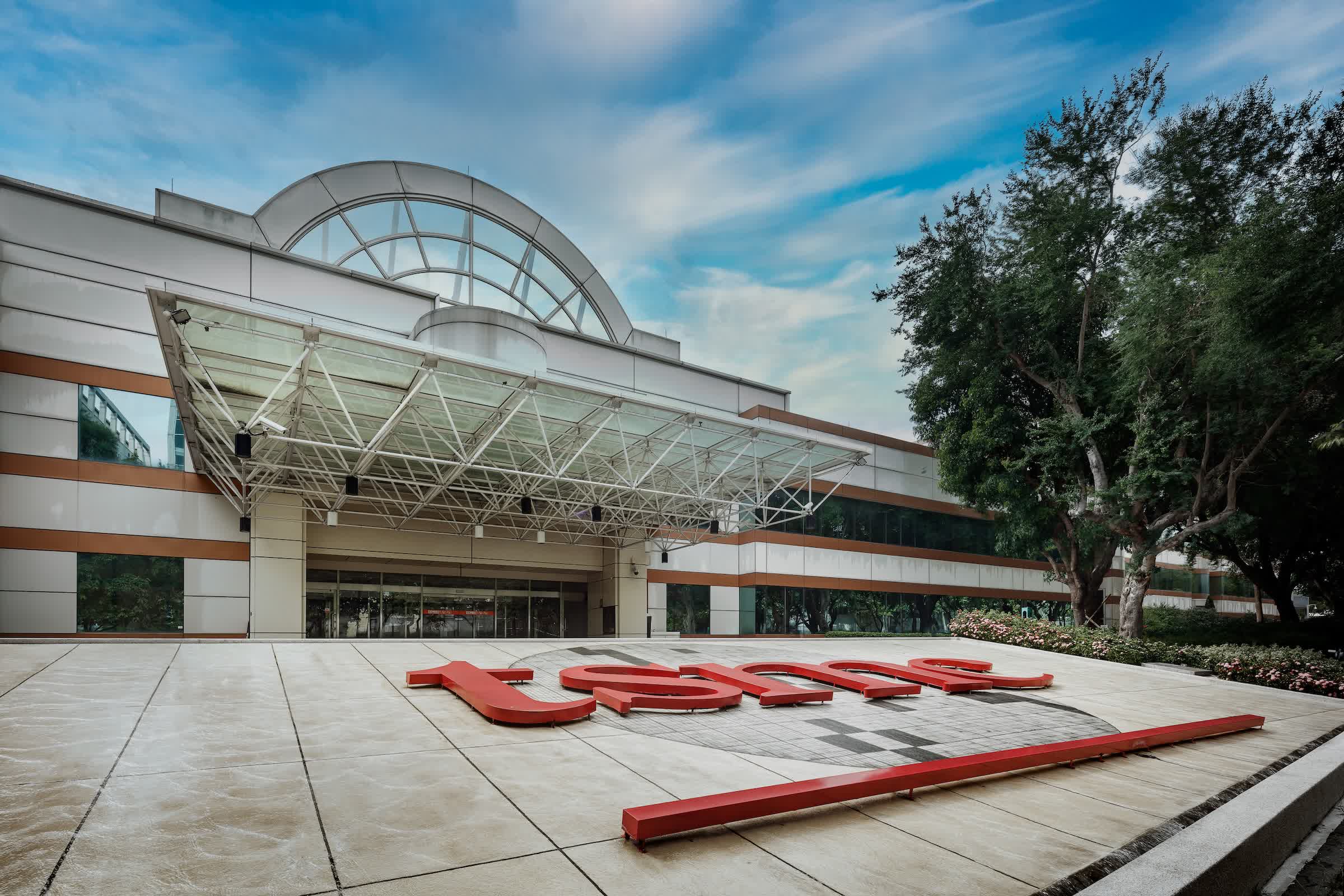
Customers generally cannot sublease or auction off their capacity, although some partnerships can happen through photomask licensing. As of the end of June, TSMC held about NT$234.2 billion (around US$7.10 billion) in customer prepayments. That is a routine accounting item and separate from the reported credit-limit system.
For design firms, the two developments compound the financial pressure. They already have a lot of money tied up in tape-outs and packaging, and they will pay more per wafer next year. Some may also have to put up cash early, meaning they would partly fund TSMC's expansion before their chips ship.